Welcome Back from Sick Leave Letter: Example & Tips
Professional templates and guidance for composing effective welcome back letters after employee sick leave absences.

Welcome Back From Sick Leave Letter: Example and Guide
When an employee returns to work after sick leave, a thoughtful welcome back letter sets a positive tone for their transition and demonstrates organizational care and support. A well-crafted welcome back letter serves multiple purposes: it formally acknowledges the employee’s return, reaffirms their value to the organization, provides clarity on expectations, and shows genuine concern for their well-being. Whether you’re a manager, HR professional, or employee sending this communication, understanding how to compose an effective welcome back letter is essential for maintaining workplace morale and facilitating a smooth return to work.
Why Welcome Back Letters Matter
Welcome back letters from sick leave carry significant weight in organizational culture and employee relations. They communicate that the company values the employee beyond their productivity metrics and recognizes that health and wellness are priorities. A thoughtful letter can help reduce anxiety an employee might feel about returning to work, reestablishing their responsibilities, and catching up on missed work. Additionally, these letters create a documented record of the return date and any accommodations discussed, which is important for HR purposes.
From an employee perspective, receiving a warm welcome back message reassures them that their absence was handled professionally and that they remain an integral part of the team. This psychological aspect cannot be understated—employees who feel valued and supported upon their return typically demonstrate higher engagement, faster productivity recovery, and improved morale than those who receive no acknowledgment.
Key Components of a Welcome Back Letter
An effective welcome back from sick leave letter should include several essential elements to ensure it achieves its purpose while maintaining professionalism.
Professional Header and Greeting
Begin your letter with standard business formatting, including the company letterhead or logo, the current date, and the employee’s full name and address. Use a warm but professional greeting such as “Dear [Employee Name]” to set a welcoming tone while maintaining formality. A personal touch in the opening line acknowledging their absence can help establish rapport and humanize the communication.
Clear Statement of Welcome
The opening paragraph should clearly express that the employee is welcomed back to the organization. Use positive language that affirms their return and value to the team. Phrases like “We are delighted to have you back” or “We’re pleased to welcome you back to the team” set an encouraging tone and immediately communicate goodwill.
Return Date Confirmation
Specify the exact date and time the employee should resume work. Vague language such as “next week” can create confusion and misunderstandings. For example, state “Your return date is Monday, December 2, 2025, and you should report to your manager by 9:00 AM.” This clarity prevents administrative errors and reinforces workplace expectations.
Acknowledgment of Health and Well-being
Include a brief acknowledgment of their time away and express hope that they have recovered or are on the path to recovery. This demonstrates genuine concern for the employee’s well-being beyond their work performance. However, avoid asking invasive questions about the nature of their illness—keep the focus on their readiness to return rather than medical details.
Work Expectations and Responsibilities
Outline what responsibilities and duties they will resume. If there have been changes to their role, team structure, or specific projects during their absence, briefly mention these so they’re not caught off guard. Be clear about performance expectations while remaining supportive. For example, “You will resume your regular duties as [job title], with primary focus on [key responsibilities]. Your manager will provide a brief orientation on any changes that have occurred during your absence.”
Accommodations and Support
If the employee requires any work-related accommodations or has medical restrictions from their healthcare provider, address these directly in the letter. This might include modified schedules, adjusted workload, ergonomic accommodations, or remote work options. Making these arrangements clear in the welcome back letter demonstrates that the organization has planned for a smooth transition and is committed to supporting their successful return.
Contact Information
Conclude with contact information for the employee’s manager or HR department in case they have questions or concerns before their return date. Encouraging open communication helps alleviate any anxiety about returning and shows the organization is responsive and supportive.
Welcome Back Letter Template for Sick Leave
Below is a professional template you can customize for your organization:
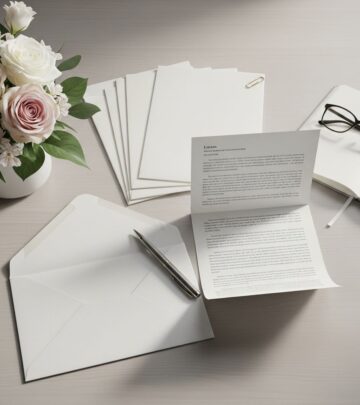
[Company Letterhead][Date][Employee Name][Employee Address][City, State ZIP Code]Dear [Employee Name],We are delighted to welcome you back to work following your recent sick leave. Your return date is [Date], and you should report to [Manager Name] at [Time].We hope you have taken the necessary time to recover and that you're feeling better. Your health and well-being are important to us, and we appreciate your dedication to the organization.Upon your return, you will resume your duties as [Job Title]. The following provides an overview of current priorities:- [Key responsibility or project]- [Key responsibility or project]- [Key responsibility or project]If you have medical restrictions or require any temporary accommodations, please ensure [Manager Name] is informed so we can provide appropriate support. We are committed to ensuring a smooth transition back to work.Please note that we will schedule a brief return-to-work meeting with your manager to discuss any updates, answer questions, and address any concerns you may have.If you have any questions before your return date, please don't hesitate to contact [Manager Name] at [Contact Information] or our Human Resources department at [HR Contact Information].Welcome back,[Your Name][Your Title][Company Name][Contact Information]Tips for Writing an Effective Welcome Back Letter
Maintain a Professional Yet Warm Tone
Strike a balance between professional business communication and genuine warmth. Avoid overly formal language that feels cold or robotic, but also avoid casual language that might seem unprofessional. The goal is to convey that while you’re conducting official business, you genuinely care about the employee’s well-being.
Keep It Concise
Welcome back letters should be brief and to the point—typically one page or less. Employees don’t need lengthy explanations; they need clear information about their return date, expectations, and support available to them. Respect their time and attention by delivering essential information efficiently.
Personalize When Appropriate
While using templates is efficient, adding personal touches demonstrates genuine care. Reference the employee by name throughout, and if appropriate, mention specific contributions they made before their leave or express appreciation for their role in the team.
Address Any Policy Matters Professionally
If there are specific company policies regarding return to work after extended sick leave—such as providing medical documentation or completing a return-to-work meeting—mention these matter-of-factly without accusatory tone. Frame these as standard procedures rather than punitive measures.
Emphasize Support and Resources
Make clear that various resources are available to support their transition back. This might include employee assistance programs, occupational health services, flexible scheduling options, or mental health resources. Knowing support is available can significantly reduce return-to-work anxiety.
Avoid Medical Inquiries
Never ask detailed questions about the nature of their illness or medical condition in the letter. Such inquiries can create legal liability and violate privacy principles. Keep focus on their readiness to return and organizational support available to them.
Common Mistakes to Avoid
When composing a welcome back letter, steer clear of these common pitfalls:
Vague Return Dates: Saying “next week” or “sometime soon” creates confusion. Always specify exact dates and times.
Overly Demanding Tone: Avoid language that pressures employees to immediately perform at peak capacity. Phrases like “We need you back to full productivity immediately” can undermine the supportive message you’re trying to convey.
Ignoring Accommodations: Failing to address necessary accommodations or modifications makes returning employees feel unsupported and can create legal complications if accommodations are later required.
Too Casual or Too Formal: Finding the right tone is crucial. Overly casual language undermines professionalism, while excessively formal language can feel cold and unwelcoming.
Lengthy Unnecessary Details: Don’t overwhelm the letter with extensive background on company changes or detailed project updates. Save detailed briefings for the return-to-work meeting with their manager.
Welcome Back Messages for Different Situations
Short Message Via Email or SMS
For informal communication channels, a shorter message works well:
“Hi [Name], welcome back! We’re glad to see you again and hope you’re feeling better. Let us know if you need anything as you settle back in. See you on [Date]!”
Extended Sick Leave
When an employee has been away for an extended period, acknowledge the significance of their return and the organization’s support:
“Dear [Name], welcome back! We’re so happy to see you healthy and back with us. Take your time getting back into the swing of things. We’re here to support you however you need. Your manager will connect with you on your first day to discuss any adjustments that would help your transition.”
Return with Accommodations Needed
When medical accommodations are necessary, address these directly and professionally:
“Welcome back, [Name]. We’re pleased to have you returning on [Date]. We’ve reviewed your medical guidance and have implemented the following accommodations to support your successful return: [specific accommodations]. Please feel free to discuss any additional needs with your manager as they arise.”
The Return-to-Work Meeting
Following the welcome back letter, schedule a brief return-to-work meeting between the employee, their manager, and HR if necessary. This meeting should cover:
– Confirmation of return date and work schedule- Overview of work changes and priorities since their absence- Discussion of any accommodations or support needed- Opportunity for the employee to ask questions- Reassurance about performance expectations during the adjustment period- Review of any required documentation or procedures
Frequently Asked Questions
Q: How soon after an employee returns should I send a welcome back letter?
A: Ideally, send the letter before or on their return date so they have clear expectations from the beginning. If sending after their return, do so within the first day to maintain the welcoming tone.
Q: Should the welcome back letter mention attendance concerns?
A: A standard welcome back letter should focus on welcoming and support, not discipline. If there are legitimate attendance concerns, address these separately through appropriate HR channels and documentation procedures.
Q: Can I use the same template for all employees?
A: Yes, a professional template provides consistency across your organization. However, personalize each letter with the employee’s name, specific role, return date, and any individual accommodations they require.
Q: What if an employee’s return date needs to be postponed?
A: Communicate the change as quickly as possible with a new letter or email clearly stating the revised return date and any explanation needed. Maintain a supportive tone while providing clear information.
Q: Should employees write their own welcome back letters?
A: Generally, managers or HR send welcome back letters to employees. However, some employees may write a brief message to their team upon returning. This should be professional and brief, confirming their return and eagerness to reconnect.
Q: How do I handle remote employees?
A: Send the welcome back letter via email and confirm they’re set up with necessary remote access, technology, and any remote work accommodations. Schedule a video call return-to-work meeting to maintain the personal connection.
References
- Return to Work Letter for Sick Leave: Sample Template — Letter Sample Repository. Accessed November 2025. https://letterrsample.com/return-to-work-letter-for-sick-leave-sample/
- Tips and Templates to Send Welcome Back Messages to Employees — UDEXT Blog. Accessed November 2025. https://www.udext.com/blog/welcome-back-message-employees-tips
- How To Write a Return to Work Letter, with Templates — IVEE Jobs. Accessed November 2025. https://ivee.jobs/blog/how-to-write-a-return-to-work-letter-with-templates/
Similar Articles








Read full bio of medha deb