27 Unusual Things You Can Borrow From Public Libraries
Discover surprising items beyond books you can check out free from your local library today.
Beyond Books: 27 Unusual Things You Can Borrow From Public Libraries
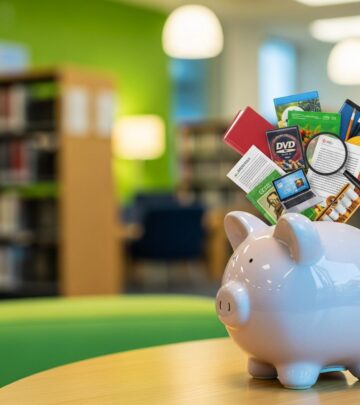
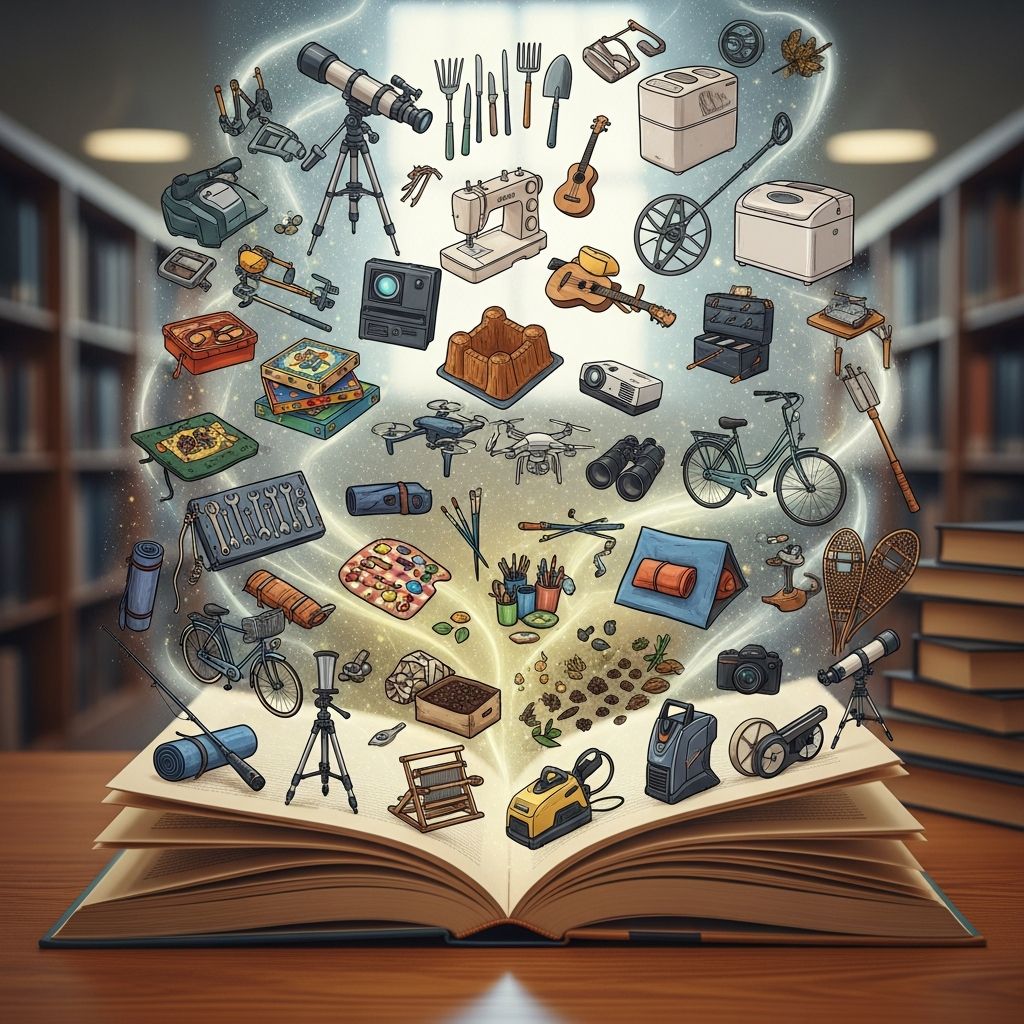
When most people think about visiting their local public library, books are typically the first thing that comes to mind. However, modern libraries have evolved far beyond their traditional role as repositories of printed materials. Many public libraries now offer an impressive collection of unusual items through “Library of Things” programs, allowing patrons to borrow everything from household appliances to entertainment passes—all completely free with a valid library card.
These innovative collections represent a shift toward community-centered resource sharing. Some libraries have even created playful names for their collections; for example, Clearwater Public Library in Florida calls their “Library of Things” collection the “Thing-a-ma-brary.” The beauty of these programs is that they allow you to test-drive expensive purchases before committing to buying them, try new hobbies without significant investment, and access items you might use only occasionally.
Library budgets and available items vary widely depending on the branch and community needs. Your local library might not have every item on this list, which is why it’s essential to contact your branch directly or check their online catalog to see what’s available. The good news is that access to these resources is completely free—just like your library card itself.
Entertainment: Free Fun for the Whole Family
Entertainment costs can quickly drain a family budget. Movie tickets, museum visits, and zoo admissions add up rapidly. Fortunately, your local library can be your secret weapon for free or low-cost entertainment options.
1. Museum and Zoo Passes
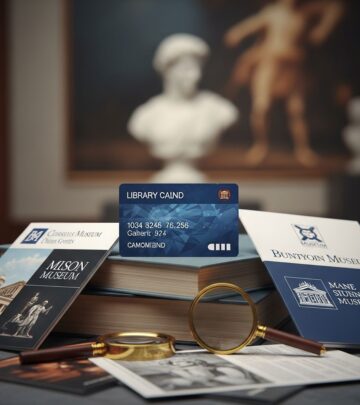
One of the most popular offerings at public libraries is free passes to local museums, zoos, state parks, and other cultural attractions. Many of these passes cover your entire family and some require that at least one child under 18 be included in your group. Libraries typically circulate a limited number of these passes on a first-come, first-served basis, making them particularly sought-after during school vacations and summer months. Be prepared to compete for these passes, but the savings—often ranging from $50 to $150 per family visit—make the effort worthwhile.
2. Streaming and Digital Media Access
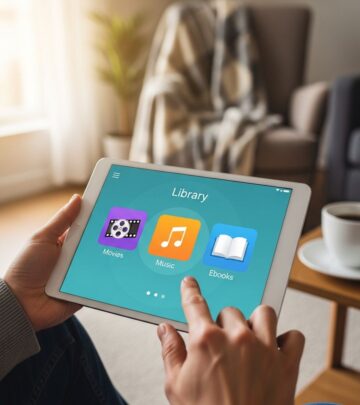
Beyond physical items, many libraries offer free access to streaming services for movies, music, and television programs. These digital collections can rival commercial streaming platforms in breadth and quality, allowing you to enjoy entertainment without monthly subscription fees.
Kitchen Appliances and Household Items
One of the most innovative aspects of modern library programs is the availability of kitchen appliances and tools. Before investing hundreds of dollars in a new appliance, test it out for free.
3. Air Fryers
Perhaps the most surprising item on this list, some progressive libraries now loan out air fryers. This is an excellent opportunity if you’ve been considering purchasing an air fryer but want to test whether your family will actually use it regularly. Many people spend $100 to $300 on air fryers only to find they rarely use them. Borrowing one from your library lets you determine if the appliance is right for your cooking habits before making a financial commitment. Just remember to return it clean and in good working condition.
4. Kitchen Tools and Specialty Equipment
Beyond air fryers, libraries often lend other kitchen equipment including specialty cake pans, bread makers, pasta makers, and other cooking gadgets. This is particularly valuable for those who enjoy experimenting with new recipes or techniques but don’t want to invest in equipment they might use only a few times.
Tools and Automotive Equipment
Not all household needs involve cooking. Many libraries maintain collections of practical tools and automotive items.
5. Jumper Cables
How often do you actually need jumper cables? Rather than purchasing a set that will sit in your trunk for years, consider borrowing them from your library when you need a jumpstart. This approach saves storage space and money, though you’ll need to get to the library first—which might be challenging if you have a dead battery. Still, it’s a practical option for those who prefer not to keep automotive equipment on hand.
6. Power Tools and Hand Tools
Many community libraries offer extensive tool collections including power drills, saws, measuring equipment, and hand tools. This is perfect for DIY projects, home repairs, and renovations without the expense of purchasing tools you might use infrequently.
Recreation and Wellness: Stay Active for Free
Staying healthy and active doesn’t require expensive gym memberships or equipment purchases. Libraries support community wellness through several programs and items.
7. Pedometers and Fitness Trackers
Community health organizations and healthcare companies often donate pedometers to libraries to encourage participation in health and wellness initiatives. These devices help you track your daily steps and monitor physical activity. Pairing your pedometer use with audiobook borrowing from services like OverDrive creates an ideal combination—you can listen to engaging stories while logging your steps and achieving fitness goals.
8. Sports Equipment
Many libraries maintain collections of recreational equipment including bicycles, camping gear, fishing equipment, and sports gear. This allows you to try new activities without significant financial investment.
Digital Access and Technology
In an increasingly digital world, access to technology is crucial. Libraries recognize this and have adapted their services accordingly.
9. Wi-Fi Hotspots
Understanding that internet access is essential for education, employment, and quality of life, several major library systems have launched Wi-Fi hotspot lending programs. The New York Public Library allows eligible patrons without home internet access to check out Wi-Fi hotspots for six-month lending periods. It’s important to note that these programs target patrons who cannot afford internet service, not those who choose not to pay for it. Other libraries, including those in Chicago and Seattle, offer three-week lending periods for Wi-Fi hotspots. These devices provide reliable internet access for remote work, online education, and digital services.
10. Audiobooks and Digital Media
Libraries partner with companies like OverDrive to offer audiobooks you can download to smartphones, tablets, or MP3 devices. These digital items automatically expire at the end of your rental period, eliminating late fees and the need to remember return dates.
Learning and Enrichment
Libraries support lifelong learning through various resources and programs beyond traditional books.
11. Musical Instruments
Some libraries lend musical instruments, making it possible to learn a new instrument without purchasing expensive equipment. This is particularly valuable for families with children interested in music education.
12. Language Learning Materials
Many libraries offer language learning resources, from physical books to digital programs, supporting personal development and career advancement.
How to Successfully Check Out Library “Things”
While borrowing unusual items from your library is straightforward, following these guidelines ensures a smooth experience and maintains these valuable community resources.
Get a Library Card
Your first step is obtaining a library card. Good news: in most communities, library cards are completely free. Simply visit your local branch with a valid ID and proof of your current address. The library card is your gateway to all these amazing resources.
Know the Rules
Rules governing “Library of Things” collections vary significantly between branches. Some items have different lending periods than books, different fine structures for late returns, and different availability patterns. Contact your specific branch or check their website to understand what they offer and the associated rules.
Place a Hold When Possible
Popular items often have long waiting lists. Many libraries allow you to place a hold or add your name to a waiting list for unavailable items. This secures your spot for when the item becomes available, though be prepared to wait—sometimes for months.
Practice Patience
The fact that libraries offer these items proves they’re in high demand. Understand that you might not get immediate access to everything you want. Flexibility with timing and being willing to wait increases your chances of successfully borrowing sought-after items.
Be the Early Bird
Some libraries don’t accept holds on certain popular items. In these cases, your best strategy is arriving when the library opens to secure first access. Set your alarm and be ready to claim that museum pass or air fryer.
Return Items On Time
Nothing from the library is truly free if you incur late fees. Items in “Library of Things” collections often have different rental periods than books, and overdue fines may be significantly higher. Double-check your specific rental period and set reminders to return everything on time. This responsibility ensures these programs remain sustainable for future borrowers.
Why Libraries Are Reinventing Themselves
The shift toward “Library of Things” programs reflects broader changes in consumer behavior and community values. Libraries recognize that many items are used infrequently, making ownership inefficient. By enabling borrowing instead of buying, libraries promote sustainability, reduce consumer waste, and strengthen community connections. These programs also serve families with limited budgets, providing access to resources they couldn’t otherwise afford.
Making the Most of Your Library Visits
Beyond the physical items available, libraries offer numerous free services and programming. Check your library’s calendar for free events, workshops, and classes. Many offer technology training, financial literacy programs, and community resources. Combining these services with borrowed items creates a comprehensive free resource for personal and family development.
Frequently Asked Questions
Q: Do I need a library card to borrow items from the “Library of Things”?
A: Yes, a valid library card is required to check out items. The good news is that library cards are free in most communities. Simply visit your local branch with a valid ID and proof of residence.
Q: What if my library doesn’t have a “Library of Things” program?
A: Libraries are continuously expanding their offerings. Contact your local branch and ask about “Library of Things” initiatives. If your library doesn’t currently offer this program, expressing interest may encourage them to start one.
Q: Are there fees for borrowing items beyond books?
A: Most items are free to borrow with a library card. However, late return fees may apply, and some libraries might charge deposits for high-value items. Always confirm fee structures with your specific branch.
Q: How long can I keep borrowed items?
A: Lending periods vary by item and library. While books might be lendable for three weeks, items like Wi-Fi hotspots might have different periods. Check with your library for specific rental durations.
Q: What happens if I damage a borrowed item?
A: Libraries typically expect items to be returned in good condition. Significant damage might result in replacement fees. Handle borrowed items carefully and report any damage to library staff immediately.
Q: Can I reserve popular items in advance?
A: Many libraries accept holds or place names on waiting lists for popular items. Some popular items don’t accept holds, requiring you to borrow them on a first-come, first-served basis.
References
- Beyond Books: 27 Unusual Things You Can Borrow From Libraries — The Penny Hoarder. 2024. https://www.thepennyhoarder.com/save-money/weird-things-at-the-public-library/
- 103 Free Things to Do to Get Your Entertainment Budget in Check — The Penny Hoarder. 2024. https://www.thepennyhoarder.com/save-money/free-things-to-do/
- 35 Free Public Library Services Frugal People Swear Saves Them Tons of Money — Upworthy. 2024. https://www.upworthy.com/free-public-library-services-frugal-people-swear-save-them-tons-of-money
Similar Articles








Read full bio of medha deb