Weekly Credit Card Payments: Benefits and Considerations
Discover how frequent credit card payments can reshape your financial strategy
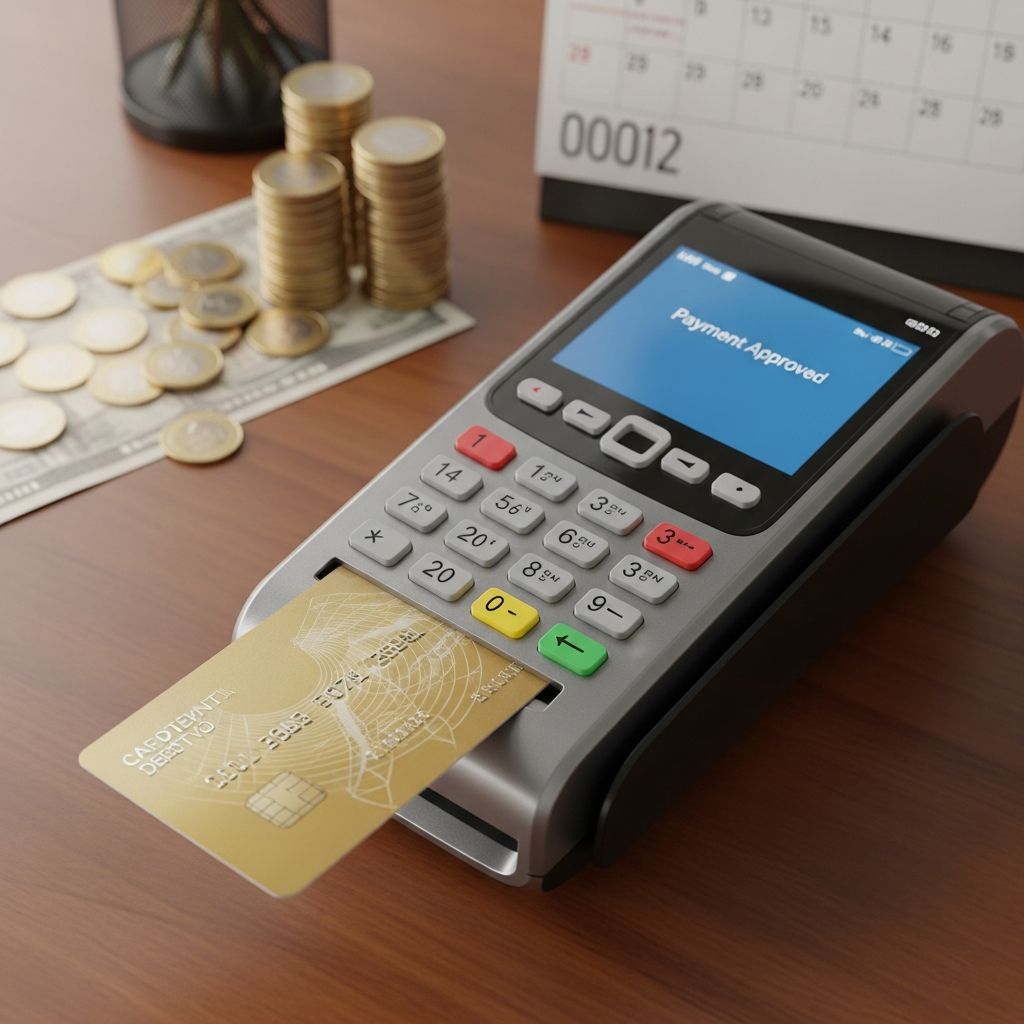
The traditional approach to credit card management suggests paying once per month by the due date. However, an increasing number of cardholders are experimenting with more frequent payment schedules, including weekly payments. This shift raises important questions about how such payment patterns affect credit scores, interest charges, and overall financial health. Understanding the mechanics and implications of weekly payments can help you determine whether this strategy aligns with your financial goals.
The Impact on Your Credit Score
One of the most common concerns people have about paying weekly is whether it might negatively affect their credit score. The good news is straightforward: as long as you’re not falling behind on your minimum payment requirements, making weekly payments will not harm your credit score.
Credit scoring models, including the widely-used FICO system, do not evaluate the frequency of your payments or the specific amounts you pay beyond the minimum due. What matters most is whether you’re making timely payments and maintaining a current account status. According to credit experts, if your lender reports your account as current during the previous month and your weekly payments cover the minimum amount due, there will be no negative impact from your payment schedule.
Payment history is the most significant factor in credit score calculation, accounting for approximately 35% of your overall score. A single late payment can have substantial consequences—FICO research indicates that a late payment on a fair credit score of 607 could drop it by as much as 37 points, while a very good score of 793 could fall by up to 83 points. This makes avoiding late payments far more important than the frequency of payments you make.
How Weekly Payments Affect Credit Utilization
While payment frequency doesn’t directly impact your score, the way frequent payments influence your credit utilization ratio does matter. Credit utilization represents the percentage of your total available credit that you’re currently using, calculated both per card and across all accounts combined.
By making weekly payments, you’re reducing your outstanding balance more frequently throughout the month. This creates lower utilization ratios at various points during your billing cycle, which can positively influence your credit score. For example, if you have a $5,000 credit limit and typically carry a $2,000 balance, making a $500 payment weekly would reduce your utilization from 40% to progressively lower levels throughout the month.
The credit bureaus typically report the balance that appears on your monthly statement, which reflects your balance on your statement closing date. However, maintaining consistently lower balances through frequent payments demonstrates responsible credit management and can contribute to improved credit profiles over time.
Interest Savings Through Frequent Payments
Perhaps the most tangible benefit of weekly credit card payments is the reduction in interest charges. If you’re carrying a balance on your credit card, interest accrues daily based on your outstanding balance. By reducing that balance more frequently, you decrease the amount of interest that accumulates.
Consider this practical example: if you typically pay $400 per month, paying $100 weekly instead would result in paying $5,200 annually rather than $4,800—an additional $400 per year directed toward your debt. While this represents more total payments, the accelerated debt reduction means less time for interest to compound on your remaining balance. For someone carrying a significant balance, this difference can translate to substantial savings in interest charges over months or years.
The grace period that credit cards offer—typically 21 to 30 days before interest accrues—becomes less relevant if you’re already carrying a balance, as interest begins accruing immediately on that outstanding amount. Frequent payments help you combat this accumulating interest more effectively.
Practical Benefits Beyond Credit Impact
Beyond numerical financial metrics, weekly credit card payments offer several practical advantages:
- Budget Alignment: Synchronizing credit card payments with your paycheck schedule can create a natural spending and payment rhythm. If you receive weekly or biweekly paychecks, making payments on those same schedules can help ensure you never overspend beyond your current income.
- Spending Awareness: More frequent check-ins with your credit card account encourage better monitoring of expenses. You’re more likely to catch unauthorized transactions, recognize spending patterns, and identify areas where you might be overspending.
- Psychological Benefits: Watching your balance decrease more frequently can provide motivation and reinforcement for maintaining disciplined spending habits. This psychological boost can be particularly valuable when working to pay down existing debt.
- Reduced Risk of Late Payments: By building a regular payment schedule into your routine, you’re less likely to forget your due date or accidentally miss a payment.
Technical Requirements for Weekly Payments
Before adopting a weekly payment strategy, verify that your credit card issuer supports multiple payments throughout the month without penalty. Most major credit card companies permit unlimited payments, but policies vary. Additionally, consider these technical aspects:
- Confirm that your issuer’s online platform allows you to schedule recurring payments or make manual payments as frequently as you need
- Understand your payment processing times—some issuers may take 1-3 business days to post payments
- Keep detailed records of each payment made, including dates and amounts, in case your issuer makes an error in reporting payment status
- Verify whether making multiple payments affects your statement closing date or account reporting
When Weekly Payments Make the Most Sense
| Scenario | Benefit Level | Reasoning |
|---|---|---|
| Carrying a significant balance | High | Accelerated debt repayment and interest reduction |
| Variable or irregular income | Medium | Aligning payments with cash flow improves planning |
| High credit utilization | High | More frequent balance reduction improves credit ratio |
| Planning major credit application soon | Medium | Lower balances before credit inquiry |
| Tendency to overspend | Medium-High | Frequent payments limit available credit |
| Pay in full monthly, low utilization | Low | Minimal additional benefit; already optimal |
Important Precautions and Considerations
While weekly payments offer potential benefits, several important considerations warrant attention. First and foremost, never sacrifice your minimum payment obligation to maintain your current payment schedule. Your primary responsibility is ensuring that you meet the minimum payment by the due date each month to avoid late payment reporting.
Second, recognize that making weekly payments doesn’t eliminate the importance of having an emergency fund or maintaining adequate cash reserves. Don’t tie up all your available money in prepaying credit card balances if doing so leaves you vulnerable to unexpected expenses.
Third, be aware that some payment methods may incur fees. While paying by bank transfer or through your card issuer’s official website typically carries no charge, using third-party payment services might result in processing fees that outweigh the benefits of frequent payments.
Finally, understand that the benefits of weekly payments are most pronounced if you’re carrying a balance. For individuals who consistently pay their full statement balance each month and have no plans to apply for credit soon, the additional benefit of frequent payments is minimal.
Alternative Payment Strategies
Weekly payments aren’t the only approach to more frequent payment scheduling. Some people find success with biweekly payments that align with paychecks, while others use a hybrid approach: paying the minimum monthly, plus making one additional payment from windfall income like tax refunds or bonuses.
The most important factor is selecting a payment schedule that you can consistently maintain and that aligns with your financial situation. The best payment strategy is ultimately the one you’ll stick with long-term.
Frequently Asked Questions
Will paying my credit card weekly hurt my credit score?
No, weekly payments will not hurt your credit score as long as you’re making timely payments and not missing your minimum payment due date. Credit scoring models don’t penalize frequent payments.
Can weekly payments help me pay off debt faster?
Yes, weekly payments can accelerate debt payoff by reducing your outstanding balance more frequently, which decreases the amount of interest that accrues on your account.
Do all credit card companies allow weekly payments?
Most major credit card issuers permit unlimited payments throughout the month, but you should verify your specific issuer’s policy before beginning a weekly payment schedule.
Should I make weekly payments if I pay my balance in full monthly?
If you consistently pay your full balance by the due date, weekly payments offer minimal additional benefit. The primary advantages apply to those carrying balances or working to improve credit utilization.
How do weekly payments affect my credit utilization ratio?
Weekly payments reduce your outstanding balance more frequently throughout the month, which lowers your credit utilization ratio and can positively impact your credit score over time.
Making the Decision
Determining whether to implement a weekly payment schedule requires honest assessment of your financial situation and payment discipline. If you carry a balance, weekly payments can offer genuine financial benefits through interest reduction and accelerated debt payoff. If you struggle with spending awareness or tend to forget payment deadlines, the psychological and organizational benefits alone might justify adopting this approach.
However, if you consistently pay your full balance monthly, maintain low credit utilization, and have no immediate credit needs, the added effort of weekly payments may provide minimal return on investment. The key is understanding that while payment frequency doesn’t determine your creditworthiness on its own, the behavior patterns it creates—more engaged monitoring, faster debt reduction, and lower utilization—can genuinely improve your financial health.
References
- Can paying a credit card bill weekly hurt my score? — CBS News. https://www.cbsnews.com/news/can-paying-a-credit-card-bill-weekly-hurt-my-score/
- Why you should pay your credit card every two weeks — Bankrate. https://www.bankrate.com/credit-cards/advice/pay-every-two-weeks/
- The Pros and Cons of Paying Bills with a Credit Card — Michigan First Credit Union. https://michiganfirst.com/Education/MoneyWise-Blog/Credit-and-Debt/The-Pros-and-Cons-of-Paying-Bills-with-a-Credit-Ca
- How Often Should You Pay Your Credit Card? — NerdWallet. https://www.nerdwallet.com/credit-cards/learn/making-small-frequent-payments-credit-card-good-idea
- Should I Pay Off My Credit Card in Full or Over Time? — Experian. https://www.experian.com/blogs/ask-experian/should-i-pay-off-my-credit-card-debt-immediately-or-over-time/
Similar Articles








Read full bio of Sneha Tete