Wedding Expenses Breakdown: 2026 Budget Guide
Navigate wedding costs with comprehensive breakdowns and smart budgeting strategies for 2026

Planning a wedding involves managing numerous financial considerations, and understanding where your money goes is crucial for making informed decisions. The landscape of wedding expenditures has evolved significantly, with couples today facing diverse cost structures based on location, guest count, vendor selection, and personal preferences. This guide provides a detailed exploration of wedding expenses and practical strategies for budget management in 2026.
The Financial Reality of Modern Weddings
The total investment required for a wedding varies considerably across the United States. According to recent wedding industry data, couples are allocating substantial resources to their celebrations, with spending patterns reflecting broader economic trends and changing priorities. Understanding the full scope of these expenses helps couples set realistic expectations and allocate funds strategically across different categories.
The difference between average and median wedding costs reveals important insights about spending distribution. While some couples invest significantly more, others celebrate with considerably smaller budgets, demonstrating that meaningful celebrations come in various price points.
Comprehensive Cost Breakdown by Category
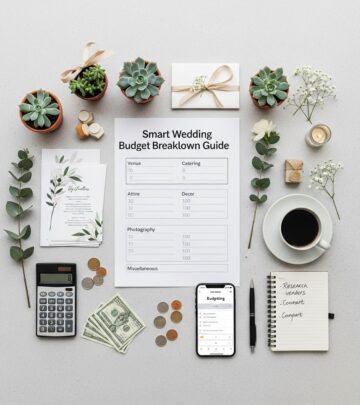
Wedding expenses fall into distinct categories, each representing a critical component of your celebration. Recognizing how costs distribute across different areas enables more strategic budget allocation.
| Expense Category | Typical Investment Range | Percentage of Total Budget |
|---|---|---|
| Venue and Site Fees | $6,900–$10,300 | 20–25% |
| Catering and Bar Service | $5,500–$8,300 | 15–20% |
| Photography Services | $3,500–$5,300 | 8–12% |
| Videography | $3,200–$4,800 | 8–10% |
| Flowers and Decoration | $5,100–$7,600 | 12–18% |
| Entertainment (DJ/Music) | $1,500–$2,500 | 4–7% |
| Wedding Planning Services | $3,200–$4,900 | 8–12% |
| Attire and Accessories | $1,500–$3,000 | 3–8% |
| Cake and Desserts | $300–$800 | 1–2% |
| Miscellaneous Items | $1,000–$2,000 | 2–5% |
The largest expense components typically include venue selection, catering services, and visual documentation. These three categories frequently represent more than half of the total wedding budget, making them primary targets for strategic decisions.
Regional Variations in Wedding Spending
Geographic location significantly influences wedding costs, with substantial differences between regions and individual cities. Couples planning celebrations in major metropolitan areas or affluent communities typically face higher expenses than those in suburban or rural locations.
- Northeast Region: Higher costs driven by urban centers and premium venue pricing
- Mid-Atlantic Region: Similar premium pricing reflecting major metropolitan areas
- Western States: Moderate to high costs with significant variation between cities
- Southern States: Generally lower costs with more affordable venue and catering options
- Midwest Region: Among the most affordable, with lower per-guest expenditures
Within regions, specific cities create dramatic cost variations. Urban centers with higher real estate values and greater vendor competition command premium pricing, while developing markets and smaller communities offer more economical options.
Seasonal Considerations and Timing Impact
The timing of your wedding influences overall expenditure through venue availability, vendor demand, and seasonal factors. Peak wedding seasons—typically late spring through early autumn—command higher prices due to increased demand for venues and services.
Off-season weddings held during winter or early spring months often feature reduced venue pricing, more flexible vendor schedules, and greater negotiating leverage. Couples willing to celebrate during less popular periods can achieve meaningful savings while maintaining quality experiences.
Guest Count and Per-Person Economics
The number of guests attending your wedding directly correlates with overall expenses, particularly for catering, venue rental, and service-related costs. Understanding the per-guest expenditure helps predict total costs across different celebration sizes.
Average per-guest spending ranges from $280–$300 across the United States, though this figure varies by region and venue type. Destination weddings typically involve higher per-guest costs due to travel accommodations, venue premiums, and specialized coordination requirements.
Small intimate gatherings of 25–50 guests may have different per-guest costs than larger celebrations of 150+ guests due to economies of scale in catering and venue rental. Understanding these dynamics helps couples make informed decisions about celebration size relative to budget constraints.
Venue Selection: The Foundation of Your Budget
Venue choice represents one of the most significant financial decisions in wedding planning. The selected location establishes the baseline for multiple related expenses including catering capacity, decoration requirements, and guest comfort provisions.
Venue costs encompass multiple components:
- Facility rental fees and availability deposits
- Parking and guest accessibility provisions
- Included amenities and restrictions
- Catering partnerships and external vendor policies
- Timeline constraints and ceremony-to-reception coordination
Understanding what venue fees include—and what requires additional expenditure—prevents budget surprises. Some venues provide inclusive packages, while others charge separately for basic services like tables, chairs, and restroom facilities.
Catering and Bar Management Strategies
Food and beverage service typically represents 15–20% of total wedding expenses, making it a significant budget component. Per-guest catering costs range from $50–$150 depending on menu complexity, service style, and beverage selections.
Strategic catering decisions include:
- Buffet versus plated service formats
- Full bar, limited bar, or beverage-inclusive options
- Passed appetizers and hors d’oeuvres during cocktail hours
- Dessert and specialty beverage additions
- Vendor selection and pricing negotiation
Couples can manage catering expenses by selecting in-season ingredients, choosing simpler menu options, limiting alcohol service to beer and wine, or incorporating creative presentation styles that reduce per-guest costs while maintaining quality experiences.
Visual Documentation: Photography and Videography
Capturing wedding moments through professional photography and videography typically accounts for 12–16% of total budgets. These services preserve memories and provide visual content for sharing with extended networks.
Photography investment decisions involve:
- Professional photographer hiring for full-day coverage
- Edited image delivery and printing preferences
- Engagement session inclusion and package components
- Videography services and highlight reel production
- Album design and presentation options
Alternative or supplementary approaches include hiring emerging photographers at reduced rates, implementing guest photography through hashtag campaigns, or selecting limited coverage options rather than full-day services.
Design, Decoration, and Atmosphere Elements
Creating desired ambiance through flowers, decorations, and design elements typically represents 12–18% of wedding budgets. These expenditures transform venues into personalized celebration spaces reflecting couple preferences and themes.
Decoration budget categories include:
- Fresh flower arrangements and bridal bouquets
- Centerpiece design and table decorations
- Ceremony backdrop and altar arrangements
- Lighting enhancements and ambiance creation
- Signage, escort cards, and directional elements
Budget-conscious decoration strategies involve utilizing seasonal flowers, incorporating greenery and foliage rather than expensive blooms, DIY arrangement projects, or selecting simplified design approaches that maintain elegance while reducing labor costs.
Entertainment, Music, and Celebration Atmosphere
Creating celebratory atmosphere through entertainment—whether DJ services, live musicians, or specialty entertainment—typically represents 5–10% of wedding budgets. Musical selections significantly influence guest experience and celebration energy.
Entertainment considerations include:
- DJ versus live band selections
- Ceremony musician and cocktail hour entertainment
- Specialty performances or dancing elements
- Sound system and technical requirements
- Vendor experience and repertoire capabilities
Planning Professional Services and Coordination
Wedding planning services—ranging from full-service coordination to partial planning assistance—typically represent 8–12% of total budgets. Professional planners streamline vendor selection, timeline management, and day-of coordination, potentially offsetting costs through negotiated vendor rates and prevented mistakes.
Planning service options include:
- Full-service planning from conception through execution
- Partial planning for specific elements or phases
- Day-of coordination services
- Vendor management and recommendation services
- Budget tracking and financial management assistance
Budget Planning by Spending Categories
Couples approach wedding budgeting differently based on financial capacity and priorities. Understanding various budget levels helps couples identify their appropriate spending range and make strategic allocation decisions.
Budget tiers demonstrate different spending patterns:
- Modest Budgets ($10,000–$15,000): Focus on essential elements, smaller guest counts, and strategic vendor selection
- Moderate Budgets ($20,000–$40,000): Balanced approach with quality venues, professional services, and expanded guest lists
- Premium Budgets ($40,000+): Comprehensive vendor hiring, luxury venues, and enhanced guest experiences
Budget allocation within each tier varies based on couple priorities—some emphasize visual documentation, while others prioritize culinary experiences or entertainment quality.
Special Considerations: Destination and Alternative Weddings
Destination weddings typically involve higher per-guest costs due to travel accommodations, venue premiums, and specialized coordination requirements. International destination celebrations often exceed domestic locations due to currency considerations, travel distances, and specialized vendor coordination.
Hometown celebrations, by contrast, leverage local vendor relationships, guest accessibility, and venue familiarity, potentially reducing overall costs while simplifying logistics.
Strategic Cost Management and Negotiation
Effective budget management involves strategic decisions and vendor negotiation throughout planning processes. Couples can influence final costs through timing selection, guest count decisions, and vendor choice without sacrificing celebration quality.
- Select off-peak seasons for reduced vendor rates
- Invite realistic guest counts aligned with venue capacity and budget
- Negotiate package inclusions and service specifications
- Obtain multiple vendor quotes for competitive pricing
- Prioritize spending on personally important elements
- Consider DIY alternatives for lower-priority categories
Frequently Asked Questions About Wedding Expenses
What represents the largest wedding expense?
Venue rental and catering typically constitute the largest combined expense, representing 35–45% of total wedding budgets across most celebration types and regions.
How can couples reduce wedding expenses without sacrificing quality?
Strategic decisions including off-season timing, smaller guest counts, simplified decoration approaches, and selective vendor hiring enable meaningful cost reduction while maintaining celebration quality and guest experiences.
Do wedding costs vary significantly by region?
Yes, substantial regional variation exists, with northeastern and mid-Atlantic regions averaging $46,000–$48,000 compared to southern and southwestern regions averaging $29,000–$31,000 for similar celebration types.
What is the median wedding cost versus average?
The median wedding cost significantly differs from average figures, with median costs ranging from $10,000–$18,000 compared to average costs of $34,000–$36,000, indicating substantial variation in spending patterns.
Should couples allocate specific percentage ranges across budget categories?
Industry recommendations suggest allocating 20–25% to venue, 15–20% to catering, 10–15% to photography and videography combined, and 12–18% to decoration and design elements, with remaining percentages distributed across other priorities.
Moving Forward With Confidence
Wedding expense planning requires balancing financial reality with celebration desires. Understanding typical cost ranges, regional variations, and expense categories enables couples to make informed decisions aligned with their specific circumstances and priorities. By recognizing where flexibility exists and identifying personal priorities, couples can create meaningful celebrations within their financial parameters.
References
- The Knot 2026 Real Weddings Study — The Knot Worldwide. 2026. https://www.theknot.com/content/average-wedding-cost
- Average Cost of Weddings in 2026: A Real Numbers Guide — Zola. 2026. https://www.zola.com/expert-advice/whats-the-average-cost-of-a-wedding
- Average Wedding Cost in 2026: Full Budget Breakdown — Great Event. 2026. https://www.greatevent.com/average-wedding-cost-2026/
- How Much Does the Average Wedding Cost, According to Data? — SoFi. 2025. https://www.sofi.com/learn/content/average-wedding-cost/
- 2026 Average Wedding Cost Estimate — The Wedding Report. 2026. https://wedding.report/action/wedding_cost.estimate/budgetid/D9B05BFA-BD2B-FD35-16C3C0FD47E8A624
Similar Articles








Read full bio of Sneha Tete