Wealth Effect Explained: How It Drives Spending In 2025
Discover how rising asset values influence consumer spending and drive economic growth in modern economies.

The
wealth effect
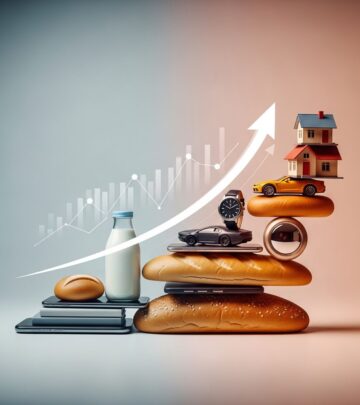
refers to the phenomenon where individuals increase their spending when they perceive their wealth has grown, primarily due to rises in asset values like stocks and real estate. This behavioral shift drives consumer spending, a key engine of economic growth, as households feel more financially secure without necessarily selling assets.In recent years, U.S. household net worth has soared to nearly $169 trillion by Q3 2024, fueled by record-high stock markets and housing prices. This has propped up consumer spending, with GDP showing a 4.2% quarterly upturn in late 2024—the largest since early 2023—largely attributed to this effect.
How Does the Wealth Effect Work?
The wealth effect operates on perceived rather than realized wealth. When stock portfolios or home values appreciate, consumers feel richer and spend more on discretionary items like travel, dining, and home improvements, even if they don’t liquidate assets. Research indicates that for every 1% increase in household net worth, consumption rises by 0.4% in the following quarter.
This effect is amplified by the two primary sources of household wealth:
financial assets
(stocks, bonds, retirement accounts) andreal estate
. Both have hit all-time highs recently, with the S&P 500 gaining over 20% in 2023 and 2024, and housing values surging post-2020. Older generations, holding most assets, benefit disproportionately, as their investments compound over decades.- Perceived Wealth Boost: Homeowners see equity grow; stockholders watch portfolios expand.
- Spending Increase: More confidence leads to higher purchases, stimulating GDP.
- Economic Multiplier: Retail, services, and construction sectors thrive from this demand.
However, the effect is asymmetric: gains spur spending, but losses prompt saving and cutbacks, as seen in past market downturns.
Historical Context of the Wealth Effect
The concept gained prominence in the 1990s during stock market booms, but its roots trace to economic theories linking asset prices to consumption. Studies across 14 countries show housing wealth effects are particularly strong, as home equity is more accessible via loans or refinancing than stocks.
In the U.S., the shift intensified post-2008 recovery. Baby Boomers who invested in 401(k)s and IRAs during the 1980s-1990s reaped massive compounding returns from the dot-com era and subsequent rallies. Today, 73% of U.S. wealth is held by those over 55, concentrated in real estate and securities that appreciate over time.
| Era | Key Driver | Wealth Effect Impact |
|---|---|---|
| 1980s-1990s | Stock Market Boom | Boomer retirement accounts grew exponentially |
| 2009-2020 | Post-Recession Rally | Housing rebound boosted spending |
| 2020-2025 | Post-Pandemic Surge | Stocks +20%/year; net worth to $169T |
This table illustrates how prolonged asset appreciation has sustained the wealth effect, shifting wealth from earnings to investments.
Wealth Distribution and Generational Impacts
Wealth in the U.S. follows an age-based curve, with older households accumulating via asset growth. In 1990, wealth peaked among 40-69-year-olds; today, it’s skewed toward seniors due to real estate and stock appreciation.
Baby Boomers hold the lion’s share, benefiting from decades of compounding. Younger generations face barriers: high debt, rising home prices, and delayed investing. Households under 40 hold minimal wealth, locked out by student loans and unaffordable housing.
- Boomers (55+): 73% of total wealth; real estate/securities dominant.
- Gen X/Millennials: High debt burdens; less time for appreciation.
- Gen Z: Earnings-focused, minimal assets yet.
The top 20% by income own 87% of stocks and 57% of real estate, amplifying the effect for high earners who drive luxury spending.
Housing vs. Stock Market Wealth Effects
Housing and stocks impact spending differently. Housing wealth effects are larger and more immediate, as homeowners can tap equity easily via HELOCs or refinances. A study of 14 countries found housing changes drive stronger consumption responses than financial wealth.
Stocks affect wealth indirectly: higher prices boost wages and confidence but require selling (often tax-inefficient) for spending. Renters feel housing gains negatively, saving more for down payments. With 43% of household assets now in stocks—the highest ever—a downturn hits spending hard.
| Asset Type | Spending Impact | Accessibility | MPC (Marginal Propensity to Consume) |
|---|---|---|---|
| Housing | High (direct equity use) | Loans/refi easy | ~5-7% of value change |
| Stocks | Moderate (perceived) | Selling/taxes barrier | ~2-4% of value change |
Current Economic Role and Risks
The wealth effect is propping up the U.S. economy amid high household equity allocations. High-income consumers, empowered by gains, fuel 4.2% spending growth. Yet, risks loom: a market correction could slash confidence, hitting discretionary sectors like travel (Delta cut guidance) and retail (Walmart sees price-sensitive affluent shoppers).
Ned Davis Research links net worth surges directly to consumption; reversals prompt saving. With stocks at highs, 2025 volatility poses threats to growth sustainability.
Frequently Asked Questions (FAQs)
What is the wealth effect in simple terms?
The wealth effect is when people spend more because they feel richer from rising stock or home values, even without cashing out.
How much does household wealth affect spending?
Each 1% net worth increase correlates to 0.4% higher consumption next quarter.
Why do older generations have more wealth?
Time for asset appreciation: Boomers’ investments compounded over decades in real estate and stocks.
Is the wealth effect stronger for housing or stocks?
Housing has a larger impact due to easier equity access; affects renters too.
What happens if markets fall?
Spending drops as people save more; high stock exposure (43%) heightens risks.
Can young people benefit from the wealth effect?
Yes, by investing early in appreciating assets despite debt barriers.
Building Wealth Amid the Effect
To harness the wealth effect, start investing young in diversified assets. Overcome generational hurdles by prioritizing retirement accounts and homeownership when feasible. Financial advisors can tailor strategies for compounding growth.
In summary, the wealth effect underscores investment’s power in wealth-building and economic propulsion, but vigilance against downturns is key.
References
- Wealth Distribution in the U.S. By Generation — SmartAsset. 2024. https://smartasset.com/financial-advisor/wealth-by-generation
- How much is the “wealth effect” propping up economic growth? — Nationwide Financial Professionals. 2025-02-12. https://www.nationwide.com/financial-professionals/blog/markets-economy/articles/how-much-is-the-wealth-effect-propping-up-economic-growth
- The wealth effect — Optimisticallie. 2024-06. https://www.optimisticallie.com/p/the-wealth-effect
- 3/19/25: Understanding the ‘Wealth Effect’ — Cresset Capital. 2025-03-19. https://cressetcapital.com/articles/market-update/3-19-25-understanding-the-wealth-effect/
- Comparing Wealth Effects: The Stock Market versus the Housing Market — Berkeley Electronic Press (Case, Shiller et al.). 2005. https://www.mhp.net/assets/resources/documents/wealth_effects.pdf
Similar Articles








Read full bio of Sneha Tete