6 Ways to Refinance Your HELOC: Complete Guide
Learn six effective strategies to refinance your HELOC and reduce monthly payments.

6 Ways to Refinance Your HELOC: A Comprehensive Guide
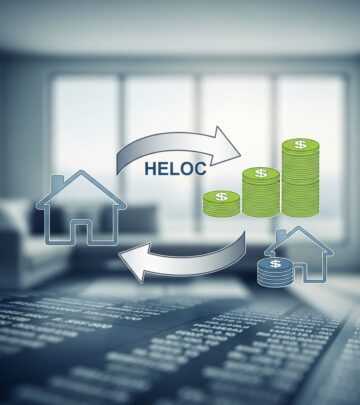
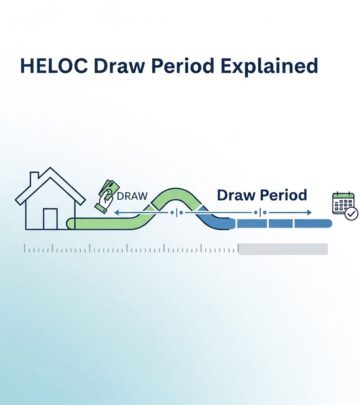
If you’re facing the end of your HELOC draw period or struggling with rising payments, refinancing might be your solution. A home equity line of credit (HELOC) typically features a draw period lasting five to ten years, during which you make interest-only payments. Once this draw period ends, you transition to a repayment period where you must pay both principal and interest—often resulting in significantly higher monthly payments. Refinancing your HELOC can help you manage these increased costs by either reducing your interest rate or extending your payment terms.
Understanding Your HELOC Before Refinancing
Before exploring refinancing options, it’s important to understand your current HELOC structure. Most HELOCs feature variable interest rates that fluctuate with market conditions. The national average HELOC interest rate stands at 7.81% as of November 2025, though your specific rate depends on credit score, equity position, and lender terms. During the draw period, you typically have flexibility to borrow and repay funds repeatedly, making interest-only payments. However, once you enter the repayment phase, this flexibility disappears, and you face mandatory principal payments alongside interest, often creating payment shock for unprepared borrowers.
Six Ways to Refinance Your HELOC
1. Refinance Into a Fixed-Rate Home Equity Loan
Converting your variable-rate HELOC into a fixed-rate home equity loan offers predictability and protection against rising interest rates. This approach works particularly well when interest rates are trending upward or when you prefer stable, unchanging monthly payments. With a fixed rate, your payment remains constant throughout the loan term, making budgeting significantly easier. This method eliminates the uncertainty inherent in variable-rate products and shields you from future rate increases. However, you’ll typically pay closing costs ranging from 2-5% of the principal amount, so calculate whether interest savings justify these upfront expenses.
2. Use a Cash-Out Mortgage Refinance
If current interest rates have fallen below your existing mortgage rate and you possess substantial home equity, a cash-out refinance presents an attractive option. This strategy involves replacing your primary mortgage with a larger new loan, extracting the difference as cash to pay off your HELOC entirely. You benefit from today’s lower rates while consolidating two debts into one payment. By extending the new mortgage term, you can potentially spread payments over additional years, reducing monthly obligations. The tradeoff involves replacing your entire mortgage rather than just addressing the HELOC, and you’ll pay 2-5% in closing costs.
3. Refinance Into a New HELOC
Sometimes the best HELOC refinance solution is simply a new HELOC with better terms. This option particularly appeals to younger borrowers with years ahead to build additional equity or those who value ongoing access to credit. Refinancing into a fresh HELOC essentially restarts your draw period, allowing you to make minimal interest-only payments again instead of immediately facing principal repayment obligations. You gain time to improve your financial situation before principal payments commence. However, this approach may cost more in total interest if you’re avoiding necessary repayment. Carefully compare rates and terms with your current HELOC, as even products from the same lender may offer different terms.
4. Convert to a Traditional Rate-and-Term Mortgage Refinance
You can consolidate your HELOC into your primary mortgage through a traditional rate-and-term refinance. This approach combines both debts into a single mortgage payment, simplifying your financial obligations. Unlike cash-out refinancing, you’re not extracting additional funds—simply rolling the HELOC balance into the primary mortgage. This method works well if you want to streamline your debt structure and potentially secure a lower overall rate by consolidating into one product.
5. Pay Off With a Personal Loan
For smaller HELOC balances, a personal loan offers a viable refinancing pathway. Personal loans typically feature fixed rates and predetermined terms, providing payment stability. This option proves particularly attractive if your credit score has improved since establishing the HELOC, as you may qualify for favorable personal loan rates. Personal loans don’t require home equity or collateral verification, streamlining the application process. However, personal loan rates may exceed home equity rates since they’re unsecured, so compare the total interest costs carefully.
6. Refinance Into a Home Equity Loan With Better Terms
Beyond simply converting to a fixed rate, you might refinance your existing home equity loan into a completely new product with improved terms. If your credit score or income has substantially increased since establishing your original HELOC, you’ll likely qualify for better rates and conditions. Shopping around among multiple lenders frequently reveals competing offers, especially teaser or promotional rates on new lines of credit. This strategy makes particular sense if your original HELOC included unfavorable terms or if you’ve significantly strengthened your financial profile.
When Should You Refinance Your HELOC?
Refinancing makes most sense during specific circumstances. If your draw period is ending and you face a substantial outstanding balance you’re unprepared to repay, refinancing provides necessary relief. Similarly, if interest rates have declined since you opened your HELOC, refinancing captures savings. You should also consider refinancing if your credit score or income has improved materially, as you’ll qualify for better rates than when you originally established the line. Additionally, if interest rate trends are moving downward, refinancing positions you advantageously.
Conversely, if your HELOC balance is nearly paid off, refinancing may not justify the associated time, expense, and paperwork. The costs of refinancing typically exceed the savings on small remaining balances.
Qualification Requirements for HELOC Refinancing
Most HELOC refinancing options require meeting standard lending criteria. Here are the key qualification benchmarks:
| Requirement | Typical Range | Details |
|---|---|---|
| Credit Score | 620-680 minimum | Mid-to-high 700s qualify for best rates |
| Debt-to-Income Ratio | 43% or less | Monthly debt payments divided by gross monthly income |
| Home Equity | 10-20% | Varies by lender and refinancing method |
| Loan Amount | $5,000-$1,000,000 | Minimum and maximum vary by lender |
If your credit has deteriorated since opening your original HELOC, you might struggle to qualify for favorable refinancing terms. In such cases, rebuilding your credit before refinancing could prove worthwhile.
Pros and Cons of HELOC Refinancing
Advantages of Refinancing
Refinancing your HELOC offers several compelling benefits. If interest rates have dropped, you can reduce your ongoing interest expenses significantly over the loan’s lifetime. Improved credit scores or income can qualify you for better rates than your original HELOC offered. Extending repayment terms through refinancing can reduce monthly payment amounts, improving affordability. Converting variable rates to fixed rates eliminates payment uncertainty, making budgeting easier. Additionally, refinancing into a new HELOC grants a fresh draw period, allowing interest-only payments rather than immediate principal repayment. If your home’s value has increased, you might qualify for a larger loan amount, providing additional available funds.
Disadvantages of Refinancing
The primary drawback of refinancing involves out-of-pocket costs. Closing costs typically range from 2-5% of the loan amount, representing a meaningful expense. Additionally, refinancing reduces your remaining home equity by the amount you’re extracting or refinancing. If you refinance multiple times, accumulated fees can substantially offset interest savings. Refinancing also involves time and paperwork, making it inconvenient for some borrowers. Finally, if interest rates have risen, refinancing into a higher-rate product actually increases your total interest costs.
Steps to Refinance Your HELOC Successfully
Step 1: Clarify Your Refinancing Goals
Before pursuing refinancing, determine exactly what you want to accomplish. Are you primarily concerned with lowering monthly payments, reducing total interest costs, converting to a fixed rate, or obtaining additional funds? Different goals point toward different refinancing methods. Speaking with a loan officer can help you identify which refinancing strategy best aligns with your objectives.
Step 2: Review Your Current HELOC Terms
Examine your existing HELOC documentation carefully. Understand your current interest rate, how often it can reset, how much it can increase at each reset, and what the ultimate rate ceiling is. Don’t assume your new refinanced product will maintain the same terms, even if obtained from the same lender. Shop for new products and compare all terms carefully.
Step 3: Assess Your Qualification Status
Evaluate whether you meet current lending standards for your chosen refinancing method. Check your credit score, calculate your debt-to-income ratio, and verify your current home equity position. If you fall short of qualification requirements, focus on improving your financial profile first—paying down debts, boosting credit scores, or waiting for home appreciation.
Step 4: Compare Multiple Offers
Shop rates and terms with multiple lenders before committing. Different institutions offer varying rates, term lengths, fees, and promotional rates. Comparing options ensures you secure the most favorable available terms.
Step 5: Submit Your Application
Once you’ve selected your preferred refinancing method and lender, complete the application process. Your loan officer will guide you through documentation requirements and explain all terms before you commit.
Key Considerations When Refinancing
When evaluating refinancing options, consider the total cost of borrowing rather than just monthly payments. A longer loan term reduces monthly payments but increases total interest paid. Conversely, shorter terms mean higher payments but less total interest. Factor in closing costs and fees, calculating the break-even point where interest savings exceed refinancing expenses. If you plan to move within a few years, refinancing may not make financial sense. Additionally, evaluate how refinancing affects your timeline to become debt-free—extending terms delays achieving this goal.
Current HELOC Rates and Market Context
Understanding current market rates informs your refinancing decision. As of November 2025, national average HELOC rates stand at 7.81%, with specific rates varying based on credit profile, equity position, and lender terms. Rates offered range from approximately 7.09% to 8.65% for different products and qualifications. Your actual rate depends on your credit score, whether you’re an existing customer, auto-payment enrollment, and other individual factors. Monitoring rate trends helps you time your refinancing optimally—refinancing when rates are declining captures maximum savings.
Frequently Asked Questions About HELOC Refinancing
Q: How often can I refinance my HELOC?
A: You can refinance as frequently as you wish, provided lenders approve your applications. However, refinancing regularly isn’t advisable because each refinance includes fees and closing costs. Frequent refinancing can consume potential savings through accumulated expenses. Generally, refinancing makes sense once every few years at most, or when circumstances significantly change.
Q: What’s the difference between refinancing a HELOC and a home equity loan?
A: HELOCs function as revolving credit with variable rates and flexible draw periods, while home equity loans provide lump-sum fixed-rate loans with predetermined terms. Refinancing a HELOC means replacing it with another product—which might be another HELOC, a fixed home equity loan, or a mortgage-based option. The refinancing process is similar, but your target product type depends on your goals.
Q: Can I refinance a HELOC into a traditional mortgage?
A: Yes, you can consolidate your HELOC into your primary mortgage through either a cash-out refinance or a rate-and-term refinance. This combines your HELOC debt with your primary mortgage into a single payment, potentially simplifying your finances. Your new mortgage replaces your existing one, incorporating the HELOC balance into the new principal amount.
Q: Is refinancing worth it if rates have risen?
A: If rates have risen, refinancing typically doesn’t help reduce interest costs. However, refinancing might still make sense if you’re facing payment shock at the end of your draw period. Extending your repayment term through refinancing into a new HELOC or home equity loan could reduce monthly payments despite higher rates, providing necessary budget relief.
Q: What credit score do I need to refinance a HELOC?
A: Most lenders require a minimum credit score between 620-680 to qualify for HELOC refinancing. However, lenders typically offer their best rates to borrowers with credit scores in the mid-to-high 700s. If your credit has declined since your original HELOC, improving it before refinancing could result in significantly better rates.
Q: How much does HELOC refinancing cost?
A: Refinancing costs typically range from 2-5% of your loan principal amount, depending on your lender, loan type, and market conditions. Additionally, many HELOCs include annual fees and early termination fees. Calculate total refinancing costs to determine whether interest savings justify the expenses.
References
- Can You Refinance A HELOC? — PNC Insights. 2025. https://www.pnc.com/insights/personal-finance/borrow/can-you-refinance-heloc.html
- Refinance a HELOC: How To Restructure a Home Equity Line of Credit — Bankrate. 2025. https://www.bankrate.com/home-equity/ways-to-refinance-heloc/
- Current home equity line of credit (HELOC) rates for November 2025 — Bankrate. 2025. https://www.bankrate.com/home-equity/heloc-rates/
- Refinancing A Home Equity Loan: Why And How To Do It — Bankrate. 2025. https://www.bankrate.com/home-equity/can-you-refinance-home-equity-loans/
- HELOC, Cash-Out Refinance or Home Equity Loan? — Bankrate. 2025. https://www.bankrate.com/home-equity/home-equity-loan-heloc-or-cash-out-refi/
- What Is A HELOC (Home Equity Line Of Credit)? — Bankrate. 2025. https://www.bankrate.com/home-equity/what-is-heloc/
- Cash-Out Refinancing: What It Is, How It Works — Bankrate. 2025. https://www.bankrate.com/mortgages/cash-out-refinancing/
Similar Articles








Read full bio of Sneha Tete