Ways To Be Better With Money: A Practical Guide
Master financial wellness with proven strategies for budgeting, saving, and building lasting wealth.
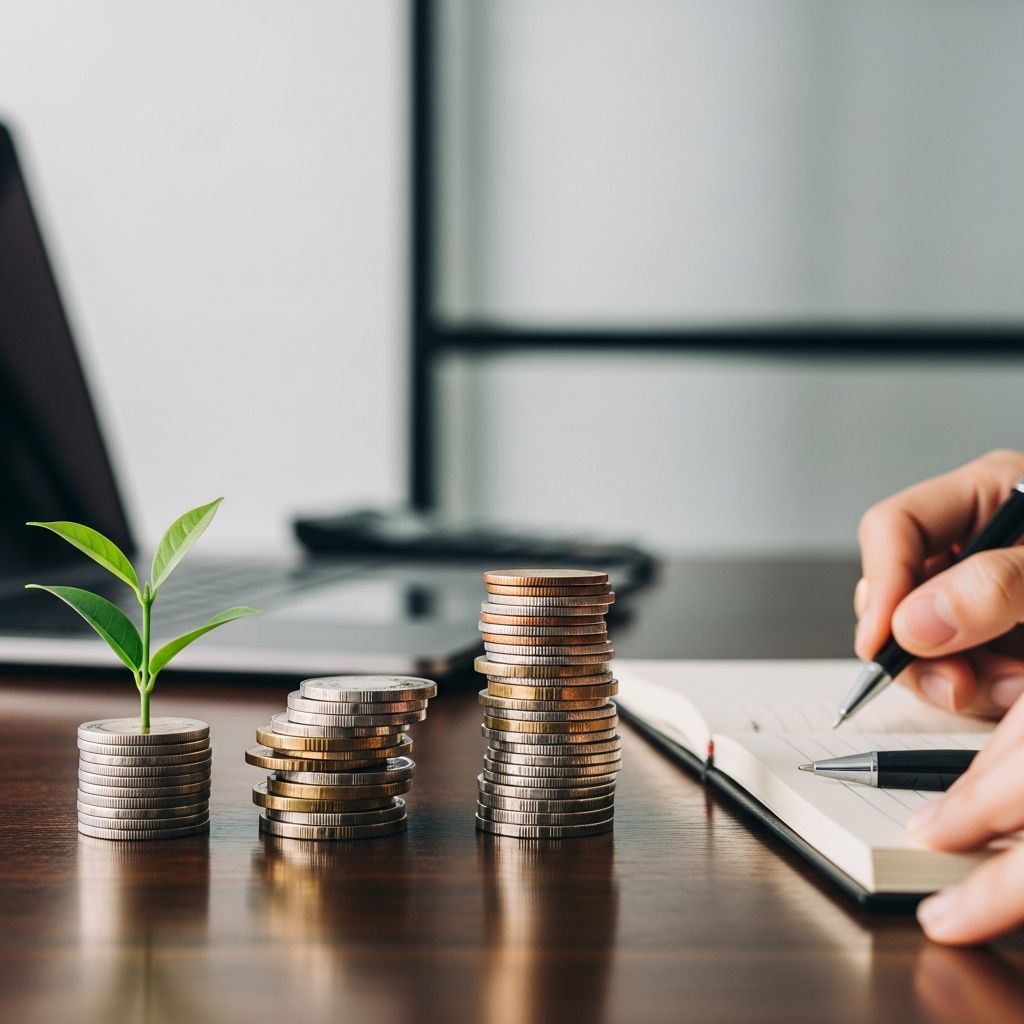
Managing money effectively is one of the most important skills you can develop for achieving financial stability and building long-term wealth. Whether you’re struggling to make ends meet or looking to optimize your financial situation, there are numerous practical strategies you can implement to improve your relationship with money. This comprehensive guide explores actionable steps to help you take control of your finances and work toward your financial goals.
Understanding Your Financial Foundation
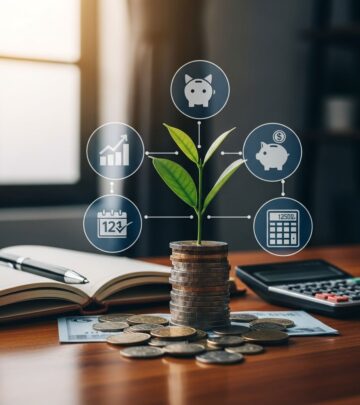
Before you can improve your financial situation, you need to understand where you currently stand. Personal finance encompasses five critical areas: income, spending, savings, investing, and protection. Your income forms the foundation of your financial life and includes all money flowing in from various sources such as salary, investments, rental properties, or side businesses. Understanding your total income is the first step toward building a realistic financial plan that aligns with your actual resources.
The key to better money management lies in recognizing how these five areas interact. Your income determines how much you can spend, save, and invest. Your spending habits directly impact how much you can set aside for savings and emergencies. Your savings form the basis for future investments and financial security. By viewing your finances as an interconnected system rather than isolated components, you can make more informed decisions about your money.
Track Your Expenses Thoroughly
One of the most fundamental yet overlooked steps in improving your financial health is tracking your expenses. You cannot manage what you do not measure. Begin by recording every expense—from daily coffee purchases to monthly utility bills. This comprehensive approach reveals spending patterns you might otherwise miss.
Methods for tracking expenses:
- Use a simple spreadsheet to manually record transactions
- Utilize free online spending tracker apps and software
- Review your credit card and bank statements regularly
- Keep receipts and categorize them by spending type
- Implement a paper-based system if digital tools feel overwhelming
Once you’ve collected your expense data, organize it by categories such as groceries, transportation, utilities, entertainment, dining out, and personal care. This categorization reveals where your money actually goes and highlights areas where you might be overspending. Most people are surprised by how much they spend on non-essential items once they track their expenses carefully.
Create a Realistic Budget
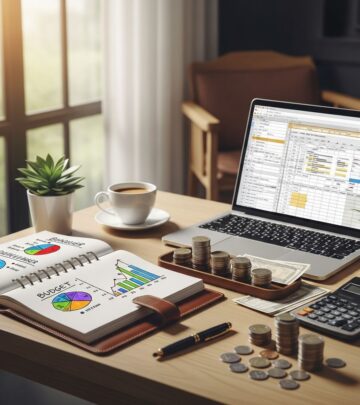
With a clear understanding of your income and expenses, you can now create an effective budget. A budget serves as your financial roadmap, showing the relationship between your income and expenses so you can plan your spending intentionally. Rather than restricting yourself, think of a budget as a tool that empowers you to allocate your money according to your priorities.
Categorizing Your Expenses
Divide your expenses into two primary categories: fixed and variable expenses. Fixed expenses are regular, unchanging costs such as rent, insurance, utilities, and loan payments. These expenses remain relatively constant from month to month. Variable expenses, on the other hand, fluctuate and include groceries, transportation costs, entertainment, dining out, and personal care items.
Understanding this distinction helps you identify which expenses you can control and where you have flexibility in your budget. While fixed expenses provide stability, they also represent your essential financial obligations that must be prioritized.
Allocating Your Income
Based on your categorized expenses, allocate a portion of your income to each category. This process requires ensuring that your total expenses do not exceed your total income. Prioritize essential expenses like rent, utilities, and groceries before allocating funds to non-essential categories like entertainment and dining out. Many financial experts recommend following the 50/30/20 rule: allocate 50% of your income to needs, 30% to wants, and 20% to savings and debt repayment.
Choosing a Budgeting Tool
Select a budgeting method that works best for your lifestyle. You might use a simple spreadsheet, a budgeting app, or even a paper-based system. The key is consistency and choosing a method you’ll actually use. Many people find that trying multiple methods helps them discover what resonates with their preferences and habits.
Prioritize Essential Expenses
When managing your budget, distinguish between essential and non-essential expenses. Essential expenses include rent, utilities, groceries, transportation, and healthcare—the basic needs required for living. Non-essential expenses include entertainment, dining out, subscriptions, and luxury items.
Steps to prioritize essential expenses:
- Identify all essential expenses in your budget
- Ensure these expenses are covered before any discretionary spending
- Look for ways to reduce non-essential spending
- Stay disciplined and avoid temptation to overspend on wants
- Redirect money saved from cutting non-essentials toward savings or debt repayment
This prioritization ensures you maintain financial stability while still having money for quality of life. By being intentional about non-essential spending, you free up resources for more important financial goals.
Build and Maintain an Emergency Fund
An emergency fund is one of the most critical components of financial security. This fund serves as a financial cushion for unexpected expenses such as medical bills, car repairs, or job loss. Without an emergency fund, people often turn to credit cards or loans for unexpected costs, creating debt that compounds their financial stress.
Emergency fund guidelines:
- Aim to save three to nine months of living expenses
- Start small if a full emergency fund feels overwhelming
- Keep emergency funds in an easily accessible savings account
- Separate your emergency fund from your regular checking account
- Replenish your fund immediately after using it for an emergency
Many financial experts recommend starting with a smaller emergency fund of $1,000 to $2,000 for immediate small emergencies, then gradually building toward three to six months of expenses. This two-tiered approach makes the goal feel more achievable while still providing meaningful protection.
Manage Credit and Debt Effectively
Managing credit and debt effectively is crucial for maintaining financial health and achieving long-term financial goals. Mismanaging credit can lead to significant debt and financial stress, while responsible credit management builds a strong financial foundation.
Understanding Credit Management
Your credit score and credit history influence your ability to obtain loans, the interest rates you qualify for, and sometimes even employment opportunities. Responsible credit management involves using credit wisely, paying bills on time, and keeping credit balances low.
Strategic Debt Repayment
If you have existing debt, develop a strategic repayment plan. Some people prefer the debt snowball method, paying off the smallest debts first for psychological wins. Others prefer the debt avalanche method, paying off highest-interest debt first to save the most money on interest. Choose the method that keeps you motivated and consistent.
Avoiding Credit Card Debt
Credit card debt is particularly damaging because credit cards typically carry high interest rates. If you use credit cards, pay the full balance each month to avoid accumulating interest. Alternatively, reserve credit cards for planned purchases you can pay off immediately rather than impulse spending.
Plan for Major Expenses
Proper planning for major expenses helps you avoid unnecessary debt and financial stress. Major expenses might include education, vehicle purchases, home repairs, or vacation costs. Rather than facing these expenses as financial emergencies, planning ahead allows you to save systematically.
Saving in Advance
Start saving for large expenses well in advance. If you know you’ll need a new car in two years, begin setting aside monthly amounts now. If your child will attend college, begin saving through education-focused accounts. This approach spreads the financial impact over time rather than creating a sudden burden.
Budgeting for Big Purchases
Include major expenses in your regular budget and allocate a portion of your income toward them each month. This transforms large expenses from unexpected financial shocks into planned, manageable components of your budget.
Develop Smart Saving Habits
Saving involves setting aside money from your income that you don’t spend, creating resources for future expenses—both planned and unplanned. Making savings a monthly expense within your budget ensures you prioritize financial growth.
Setting Savings Goals
Distinguish between short-term and long-term savings goals. Short-term goals might include building an emergency fund or saving for a vacation within one to two years. Long-term goals typically include buying a home, funding education, or retirement planning. Prioritizing your savings goals helps you allocate your limited resources effectively.
Automated Savings
Automate your savings by setting up automatic transfers from your checking to savings account. This “pay yourself first” approach removes the temptation to spend money earmarked for savings. Many employers offer 401(k) plans that automatically deduct retirement contributions from your paycheck before you even see the money, making saving effortless.
Optimize Your Savings Accounts
Not all savings accounts are equal. Consider the interest rates, balance minimums, fees, and accessibility when choosing where to keep your money. For long-term goals like retirement, consider tax-efficient options such as IRAs or 401(k) plans. For shorter-term goals, high-yield savings accounts or money market accounts may be more appropriate.
| Account Type | Best For | Key Benefit |
|---|---|---|
| High-Yield Savings Account | Emergency funds, short-term goals | Higher interest rates than standard accounts |
| 401(k) | Retirement savings | Employer matching contributions, tax advantages |
| Traditional IRA | Retirement savings | Tax-deductible contributions, tax-deferred growth |
| 529 Plan | Education savings | Tax-free growth for education expenses |
| Money Market Account | Medium-term savings | Competitive interest rates, liquidity |
Review and Adjust Your Budget Regularly
Your financial situation changes over time, so your budget should evolve with it. Review your budget monthly to ensure you’re on track, and conduct a comprehensive review quarterly or annually.
Identifying Areas for Improvement
Look for spending categories where you’re consistently over or under budget. Overspending areas represent opportunities to reduce expenses or increase income. Underspending areas might represent funds you can redirect to other priorities or savings goals.
Making Strategic Adjustments
As your situation changes, adjust your budget accordingly. If your income increases, you might allocate more to savings or investments. If your income decreases, you may need to cut non-essential spending. When you pay off debt, redirect those payments to savings or other financial goals. If new expenses arise, adjust other categories to accommodate these changes.
Leverage Employee Benefits
Many employers offer benefits that can significantly improve your financial situation. Retirement plans like 401(k)s allow you to make pre-tax contributions to retirement savings, often with employer matching. Health Savings Accounts (HSAs) and Flexible Spending Accounts (FSAs) allow you to set aside pre-tax money for medical and childcare expenses. These benefits can save you substantial money through tax advantages and automatic contributions.
Frequently Asked Questions
What is the most important step to improve my finances?
The most important step is tracking your expenses. You cannot manage what you do not measure. Once you understand where your money goes, you can make informed decisions about budgeting and saving.
How much should I save each month?
Aim to save an amount that feels comfortable but challenging. Many experts recommend saving 20% of your income, though you may start with smaller amounts and gradually increase your savings rate as your financial situation improves.
Should I focus on paying off debt or saving?
This depends on your situation. Generally, prioritize building a small emergency fund first (around $1,000), then tackle high-interest debt while building your emergency fund to three to six months of expenses. The interactive tools available through financial institutions can help you determine the best approach for your specific circumstances.
What’s the difference between a budget and a financial plan?
A budget is a short-term tool that shows your income and expenses for a specific period, usually monthly or yearly. A financial plan is broader and encompasses budgeting, savings goals, debt management, investments, and retirement planning over several years.
How often should I review my budget?
Review your budget monthly to track spending and ensure you’re on target. Conduct a comprehensive review quarterly or annually to adjust for income changes, new expenses, or updated financial goals.
What if my income varies month to month?
If you have variable income, base your budget on your average monthly income over several months. Be conservative and allocate the lower amounts to necessities, treating higher-income months as opportunities to boost savings. This approach provides stability even when income fluctuates.
References
- Budgeting and Personal Financial Planning Skills — MAU (Malibu University). 2024. https://www.maufl.edu/en/news-and-events/macaws-blog/budgeting-and-personal-financial-planning-skills
- Personal Finance: A Practical Guide to Managing Your Money — Annuity.org. 2024. https://www.annuity.org/personal-finance/
- Simple Ways to Save Money for the Future — Bank of America Better Money Habits. 2024. https://bettermoneyhabits.bankofamerica.com/en/saving-budgeting/ways-to-save-money
Similar Articles








Read full bio of medha deb