Cut Food Waste: 16 Smart Ways To Save $400/Month
Discover practical strategies to cut food waste, master easy meal planning, and save hundreds on groceries without sacrificing health or taste.
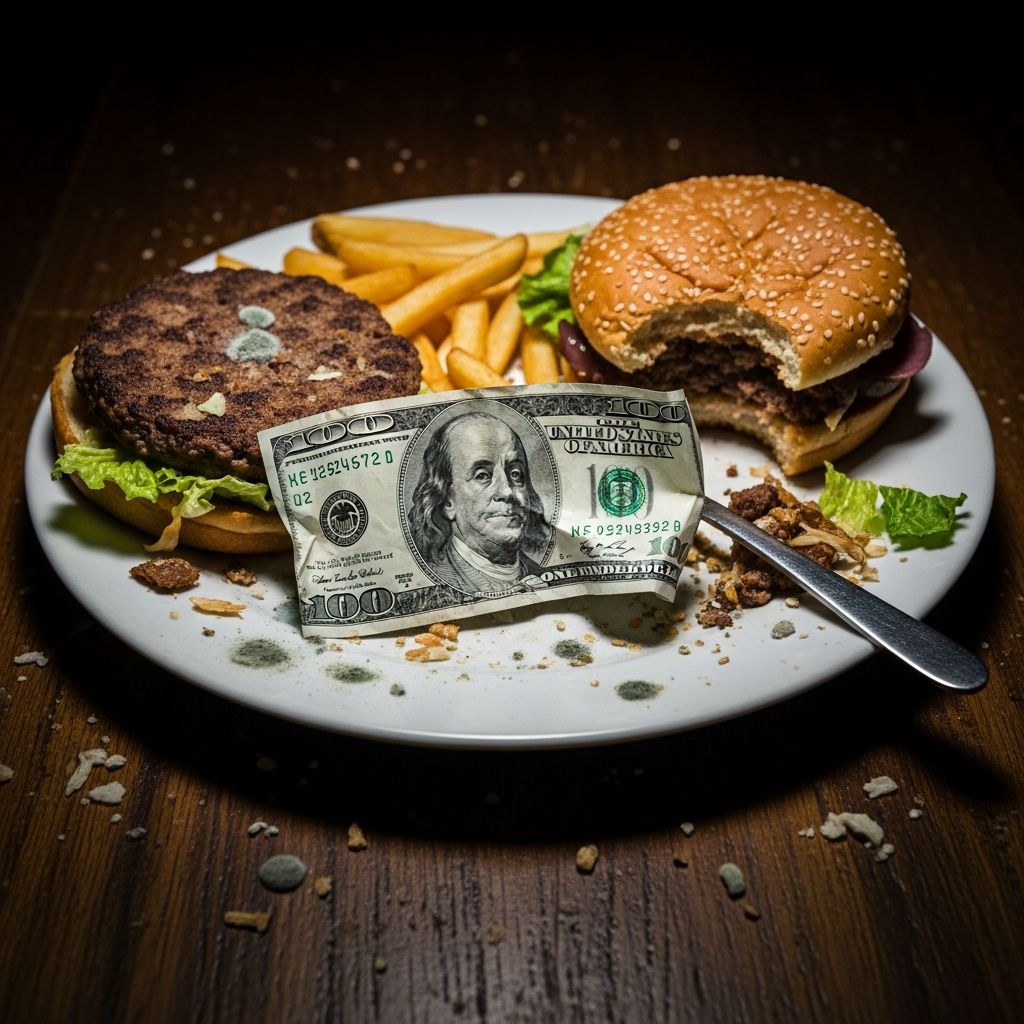
A single mom working 50-60 hours weekly struggles with poor cooking skills and meal planning, leading to $400 monthly waste on spoiled groceries and frequent restaurant meals. Despite healthy eating habits, food often goes bad in the fridge. She seeks easy meal planning methods and simple, tasty recipes to reclaim her budget.
Dear S.,
Your wasted food stems not just from poor planning or kitchen skills, but from over-ambition in grocery choices and meal ideas. As a fellow single professional with long hours and minimal cooking enthusiasm, I’ve wasted countless groceries myself—especially on impulse delivery apps like UberEats. The turning point? Getting realistic about time and effort.
Saturday mornings bring Pinterest-fueled ambition for elaborate meal preps, but by Sunday afternoon, reality hits: You’re lucky to spare 1-2 hours. Bike commuting limits my grocery hauls to what fits in a basket, forcing selectivity. This curbs overbuying and prompts honest questions: How much effort for tonight’s dinner? Sometimes, it’s takeout—but cheaper than restaurant plus unused ingredients.
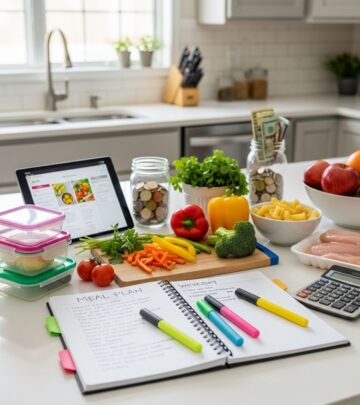
- Commit to limited prep time: Decide weekly on 1-2 hours max for chopping veggies, cooking proteins in olive oil with basic spices, and storing in quality containers.
- Prioritize goals: Save money and eat healthy—no need for gourmet mastery or Instagram perfection.
- Allow flexibility: Small kitchen strides with room for failure whittle down waste over time.
Focus here builds progress without burnout. You’ll shave significant dollars while maintaining fitness.
Why Food Waste Hits Your Wallet Hard
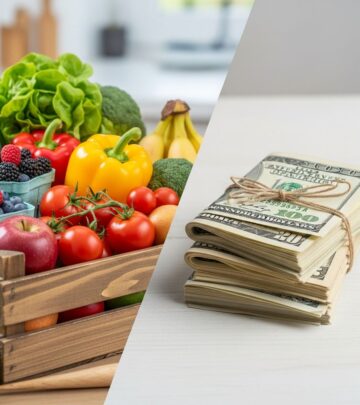
Food waste isn’t minor—U.S. households discard 30-40% of food, with a family of four wasting about $1,800 yearly on uneaten groceries. This equals massive resource loss: Producing one discarded hamburger consumes water like a 90-minute shower. Collectively, consumers waste more than restaurants or stores, turning grocery dollars into landfill fodder.
Busy schedules exacerbate it: Online orders save time but enable impulse buys that spoil. Poor visibility in cluttered fridges hides expirations, and unplanned events derail meals, leading to takeout splurges.
Master Easy Meal Planning for Busy Lives
Realistic planning trumps perfection. Start small:
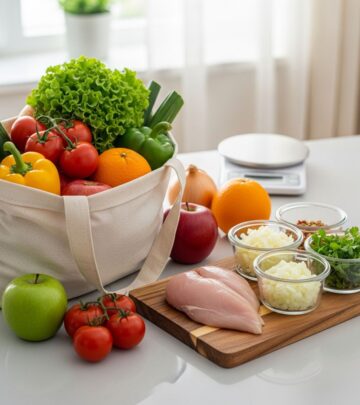
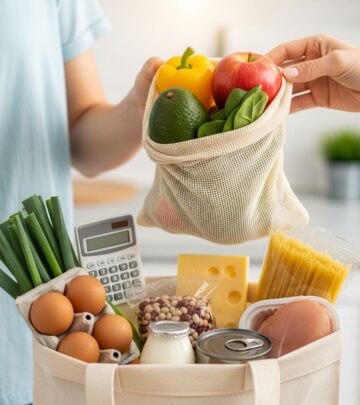
- Shop selectively: Limit hauls to what fits your routine—e.g., bike basket or one grocery bag—forces thoughtful choices.
- Theme your week: Pick 2-3 meals sharing ingredients, halving portions for 1-2 people to avoid leftovers fatigue.
- Build in buffers: Schedule one frozen meal weekly for surprises like happy hours, preserving fresh buys.
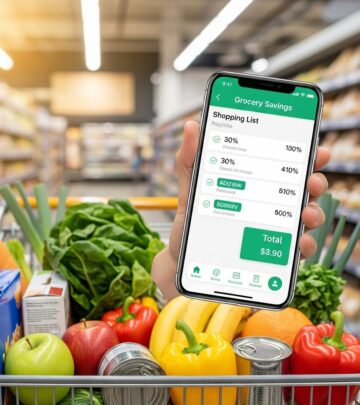
For singles or small households, rotate proteins (chicken, eggs, beans) with versatile veggies. Apps help, but paper lists tied to actual time availability work best.
Easy, Tasty Recipes for Beginners
No culinary degree needed. Focus on 5-ingredient staples prepped in under 30 minutes:
| Meal | Ingredients (Serves 2) | Prep Time | Instructions |
|---|---|---|---|
| Sheet Pan Chicken & Veggies | 2 chicken breasts, broccoli, carrots, olive oil, garlic powder | 25 min | Toss all on sheet pan, season, bake 400°F for 20 min. Rotate halfway. |
| Stir-Fry Rice Bowl | Instant rice, frozen stir-fry veggies, eggs, soy sauce, sesame oil | 15 min | Microwave rice, scramble eggs, heat veggies, mix. |
| Bean & Cheese Quesadillas | Canned beans, cheese, tortillas, salsa, avocado | 10 min | Mash beans, layer in tortilla, pan-fry 2 min/side. |
| Overnight Oats | Oats, milk, yogurt, berries (frozen), chia seeds | 5 min + chill | Mix in jar, fridge overnight. Grab-and-go breakfast. |
| Protein Salad Jar | Canned tuna, greens, cherry tomatoes, cucumber, vinaigrette | 10 min | Layer in mason jar: dressing bottom, then veggies, tuna top. |
These use overlapping staples, minimizing waste. Scale for your duo, freeze extras.
16 Smart Ways to Reduce Food Waste
Implement these proven tips to slash waste and bills:
- Grocery list mastery: Plan weekly meals first, list precisely. Double-duty herbs like cilantro for two recipes prevent wilting.
- Frozen over fresh: Stock freezer with fruits/veggies—they thaw fast, last indefinitely, dodge spoilage.
- Surprise-proof plans: Pencil in flexible slots or frozen backups for impromptu outings.
- Freezer everything: Meats, bread, milk, cheese, even eggs (shell-free). Extends usability indefinitely.
- Fridge/pantry purge: Weekly clean-outs reveal hidden gems, prevent moldy surprises.
- Pantry challenges: Cook from existing stock first—recipes from ‘forgotten’ cans/rice.
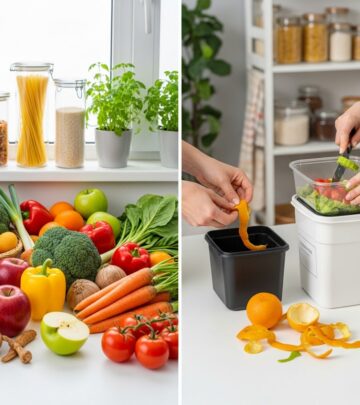
- Compost scraps: Turn grounds, peels into garden gold, diverting landfill waste.
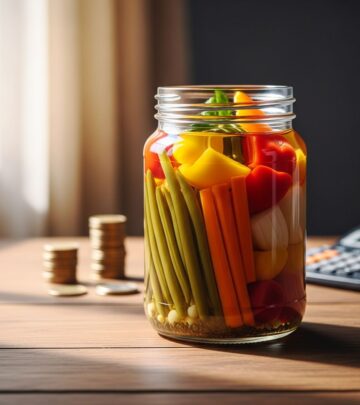
- Preserve extras: Pickle veggies, can fruits—century-old tricks for abundance.
- Portion wisely: Buy small packs or divide bulk immediately.
- Store smart: Bread in freezer, greens in water jars like bouquets.
- Track expirations: Front-load fridge with soon-to-expire items.
- Batch cook basics: Rice, proteins weekly for mix-and-match meals.
- Repurpose leftovers: Taco meat into chili, veggies into soups.
- Shop perimeter first: Fresh foods less likely to duplicate pantry hoards.
- Eat FIFO: First In, First Out—rotate stock.
- Invest in tools: Sharp knives, good containers speed prep, encourage use.
Budget Impact: Real Savings Breakdown
| Habit | Monthly Waste Reduction | Annual Savings |
|---|---|---|
| Curbed takeout (2x/week) | $200 | $2,400 |
| No spoiled produce | $100 | $1,200 |
| Smart shopping/freezer | $100 | $1,200 |
| Total | $400 | $4,800 |
Average household saves $1,800 yearly; your targeted cuts hit $400/month easily.
Frequently Asked Questions (FAQs)
Q: How do I meal plan with a hectic schedule?
A: Limit to 1-2 hours weekly prep. Theme meals around 3 ingredients, include frozen backups for flexibility.
Q: What’s the fastest way to cut food waste?
A: Clean fridge/pantry weekly, shop with a strict list, freeze surplus immediately.
Q: Are frozen foods as healthy as fresh?
A: Yes—often flash-frozen at peak ripeness, retaining nutrients without spoilage risk.
Q: How to avoid burnout from cooking?
A: Keep recipes under 30 minutes, 5 ingredients max. Embrace no-cook options like salads, oats.
Q: Best tools for beginners?
A: Glass containers, sheet pans, mason jars for salads. Sharp knife for quick chopping.
The Bottom Line: Sustainable Savings
Shifting from ambition to realism transforms waste into wealth. Small, consistent habits—realistic preps, waste hacks, simple recipes—deliver $400 monthly savings without lifestyle overhaul. Your healthy duo thrives on efficiency, not exhaustion. Start with one tip this week; momentum builds the rest.
References
- United States Department of Agriculture (USDA) Food Waste FAQs — USDA. 2024-02-15. https://www.usda.gov/foodwaste/faqs
- ReFed Food Waste Index Report — ReFED (Rethink Food Waste Through Economics and Data). 2023-11-01. https://refed.org/food-waste-index/
- Household Food Waste in the United States, 2016 — U.S. Environmental Protection Agency (EPA). 2022-07-20. https://www.epa.gov/system/files/documents/2022-07/wasted-food-scale.pdf
- NRDC Wasted: How America Is Losing Up to 40 Percent of Its Food — Natural Resources Defense Council. 2023-05-10. https://www.nrdc.org/resources/wasted-how-america-losing-40-percent-its-food
- USDA FoodKeeper App and Storage Charts — USDA. 2025-01-05. https://www.foodkeeperapp.usda.gov/
Similar Articles








Read full bio of medha deb