Warning Signs Your Retirement Strategy Needs a Fix
Discover critical indicators that your retirement savings plan may fail and learn actionable steps to realign your financial future for lasting security.

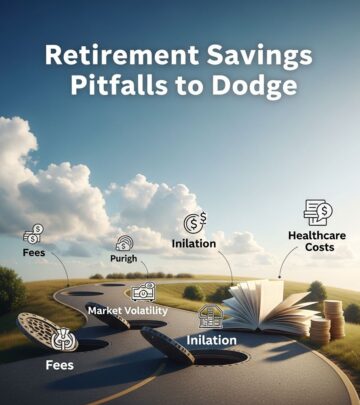
Planning for retirement involves more than just saving money; it requires a balanced approach to growth, taxes, and expenses. Many individuals overlook subtle issues that can erode their nest egg over time. This article explores common pitfalls in retirement strategies and offers clear paths to recovery, drawing on established financial principles to help you build a resilient plan.
Understanding the Foundations of a Solid Retirement Blueprint
A robust retirement strategy accounts for income sources, investment growth, inflation, and unexpected costs. According to data from reliable financial analyses, retirees who diversify their assets and plan for taxes maintain higher purchasing power throughout their golden years. Key elements include emergency funds, diversified portfolios, and regular reviews to adapt to life changes.
Neglecting these foundations can lead to shortfalls. For instance, failing to adjust for rising costs means your savings might not stretch as far as anticipated. Start by assessing your current setup: calculate your expected lifespan, annual expenses, and income streams to identify gaps early.
Signal 1: Heavy Reliance on Pre-Tax Savings Vehicles
One major indicator of trouble is when most or all retirement funds sit in pre-tax accounts like traditional 401(k)s or IRAs. These offer upfront tax breaks but force taxation on every withdrawal, potentially pushing you into higher brackets during retirement when income needs peak.
This setup lacks flexibility. Imagine needing funds before age 59.5; penalties apply, and all distributions count as taxable income. Experts recommend balancing with Roth accounts or taxable brokerage investments, where qualified withdrawals are tax-free or already taxed, providing options during market dips or tax-law shifts.
- Assess your mix: Aim for 30-50% in post-tax or Roth vehicles depending on your bracket.
- Action step: Contribute to Roth IRAs annually and consider Roth conversions during low-income years.
- Benefit: Reduces future tax bills and offers penalty-free access to contributions.
Signal 2: Ignoring Plan Compliance and Administrative Risks
Issues in 401(k) management, such as delayed contributions or improper reporting, signal deeper problems. Even as a participant, you’re affected if employers miss IRS deadlines like Form 5500 filings or mishandle deposits, leading to fines that indirectly shrink your returns.
Common violations include inadequate fidelity bonds against fraud or errors in eligibility rules. These erode trust and growth potential. Monitor your statements quarterly and inquire about your plan’s audit history. Switching to compliant providers or IRAs can mitigate risks.
| Compliance Issue | Potential Impact | Solution |
|---|---|---|
| Late Form 5500 | Fines and scrutiny | Request plan documents |
| Delayed deposits | Lost investment time | Report to DOL if suspected |
| Poor fraud protection | Asset theft risk | Choose plans with strong bonds |
Signal 3: Assuming Unattainable Investment Performance
Projecting returns above historical averages, like 10-12% annually without volatility adjustments, sets unrealistic expectations. Markets average 7-8% long-term after inflation, but downturns can devastate sequence-of-returns risk in early retirement.
This overconfidence leads to undersaving and overspending. Stress-test your plan using conservative 4-6% rates. Tools from official sources like the Federal Reserve can simulate scenarios, revealing if you’ll outlive your funds.
- Historical context: S&P 500 long-term return is about 10% nominal, but adjust for 3% inflation and fees.
- Fix: Build in buffers with Monte Carlo simulations for 95% success probability.
Signal 4: Downplaying Future Medical and Care Expenses
Healthcare often blindsides retirees. Medicare covers basics, but out-of-pocket costs for premiums, deductibles, dental, vision, and long-term care can exceed $300,000 per couple over 30 years, per government estimates.
Medical inflation runs 5-7% annually, outpacing general rates. Factor in assisted living at $50,000+ yearly. Solutions include HSAs for tax-free medical spending, long-term care insurance before age 65, and healthy lifestyle choices to delay needs.
Signal 5: Vulnerability to Inflation and Single Income Streams
If your portfolio lags inflation or depends on one source like Social Security, erosion is inevitable. Inflation averaged 3% historically but spiked to 9% in 2022, hitting fixed incomes hard.
Diversify with TIPS, dividend stocks, and annuities. Test income against 4% inflation scenarios. Multiple streams—pensions, rentals, part-time work—provide resilience.
| Income Source | Inflation Protection | Risk Level |
|---|---|---|
| Social Security | Partial COLA | Medium |
| Bonds | Low unless TIPS | High |
| Equities | High growth potential | Volatile |
Signal 6: Major Life Choices Without Projections
Big moves like home buys or relocations without modeling impacts strain plans. These decisions alter expenses and timelines, yet many proceed impulsively.
Always run ‘what-if’ analyses. Software from CFP professionals can forecast post-decision sustainability.
Signal 7: Sequence Risk and Conservative Over-Shifts
Retiring into a market crash amplifies losses, as you sell low to fund living costs. Getting too conservative post-retirement fails to beat inflation.
Maintain 40-60% equities with a bucket strategy: short-term cash, medium bonds, long-term growth.
Strategies to Realign Your Retirement Path
Conduct annual audits, consult fee-only advisors, and automate adjustments. Delay Social Security to 70 for 8% annual boosts. Build a 2-3 year cash buffer.
Frequently Asked Questions
What percentage of savings should be in Roth accounts?
Target 30-50% based on current taxes and future expectations; consult a tax pro.
How much for healthcare in retirement?
Fidelity estimates $315,000 for a 65-year-old couple in 2023; adjust annually.
What’s a safe withdrawal rate?
4% rule as starting point, adjusted for personal factors.
Should I fear 401(k) compliance issues?
Monitor via statements; report suspicions to DOL.
How to combat inflation?
Diversify into real assets and equities.
Next Steps for Financial Security
Review your plan today: tally assets, project needs, and correct course. Small tweaks now prevent major crises later, ensuring your retirement delivers freedom.
References
- 7 Red Flags That Could Derail Your Retirement Plans — Paladin Registry. 2023. https://www.paladinregistry.com/blog/retirement/7-red-flags-that-could-derail-your-retirement-plans/
- Federal Retirement Red Flags to Avoid — FEDweek. 2023. https://www.fedweek.com/retirement-financial-planning/federal-retirement-red-flags-to-avoid/
- 4 Red Flags Retirement Plan Won’t Last Long — Aspyre Wealth. 2023. https://aspyrewealth.com/4-red-flags-retirement-plan-wont-last-long/
- 401(k) Audit Red Flags: Spot the Signs and Avoid Them — TruPay. 2023. https://www.trupay.com/blog/watch-out-for-these-401k-audit-red-flags/
- 3 Signs Your Retirement Is Already in Trouble — Money.com. 2023-05-01. https://money.com/retirement-trouble-warning-signs/
Similar Articles








Read full bio of Sneha Tete