Warning Signals of Uncontrolled Spending
Discover key indicators that your shopping habits are harming your financial future and learn practical steps to regain control over your budget.

Many individuals unknowingly fall into patterns of excessive expenditure that undermine their long-term financial health. Recognizing these patterns early can prevent debt accumulation and promote sustainable money management. This article examines critical indicators of problematic spending behaviors, their impacts, and effective remedies to restore balance.
Understanding the Roots of Excessive Expenditure
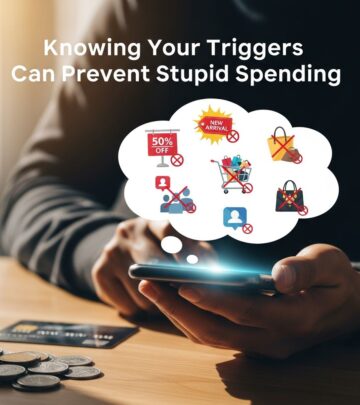
Overspending often stems from psychological triggers and modern conveniences. Emotional responses, such as stress or boredom, can drive purchases as a quick mood enhancer. Social influences, including peer pressure or online trends, amplify this by creating a sense of urgency around limited-time deals. One-click buying options and rapid delivery services further lower barriers to thoughtful decision-making.
Without awareness, these habits lead to a cycle where short-term gratification overshadows essential goals like emergency savings or retirement contributions. Addressing the underlying causes requires honest self-assessment and structured changes to daily routines.
Key Indicators That Your Finances Are Off Track
Several observable behaviors signal that spending has crossed into problematic territory. These signs appear gradually but can escalate quickly if ignored.
- Frequent Unplanned Acquisitions: Regularly buying items without prior planning diverts funds from priorities. Surveys indicate average monthly impulse spending reaches hundreds of dollars, enough to generate substantial savings if redirected.
- High Credit Utilization: Approaching or exceeding credit limits shortly after payments suggests reliance on borrowing over income. This utilization rate influences 30% of credit scores, making future borrowing costlier.
- Inability to Cover Essentials: Struggling to pay bills fully or on time incurs fees and damages creditworthiness. Prioritizing non-essentials over necessities is a clear mismatch in priorities.
- Absence of Safety Nets: Lacking an emergency fund or retirement savings means living without buffers for surprises, forcing reliance on high-interest debt.
- Secrecy Around Transactions: Hiding purchases from loved ones or minimizing their extent indicates awareness of overreach, straining personal relationships.
Financial Consequences of Ignoring These Signals
Unchecked overspending triggers a domino effect on overall stability. High debt levels compound through interest, trapping individuals in repayment cycles. Credit scores suffer from elevated balances and late payments, limiting access to favorable loans or rates.
Savings depletion leaves vulnerability to emergencies, while ongoing stress erodes mental well-being and relationships. Living paycheck-to-paycheck eliminates flexibility, turning minor setbacks into crises.
| Consequence | Impact | Example |
|---|---|---|
| Debt Growth | Interest accumulation | $35 monthly late fees = $420 yearly loss |
| Credit Damage | Higher rates, denials | Utilization over 30% lowers score |
| No Reserves | Emergency borrowing | No fund forces payday loans |
| Emotional Toll | Stress, isolation | Hidden spending strains ties |
Psychological Factors Fueling the Habit
Beyond surface behaviors, deeper motivations sustain overspending. Some view purchases as solutions to emotional voids, equating material gains with happiness. Fear of missing out (FOMO) prompts hasty buys during sales.
Social media showcases curated lifestyles, pressuring emulation beyond means. Income boosts often lead to lifestyle inflation rather than wealth building. Avoidance of financial reality delays intervention, allowing problems to worsen.
Practical Strategies to Curb Overspending
Reversing these patterns involves deliberate actions. Start by tracking every expense for a month to reveal patterns. Categorize into needs, wants, and savings to highlight imbalances.
- Establish a Strict Budget: Allocate funds to essentials first, then limited discretionary amounts. Tools like apps automate tracking.
- Build Emergency Reserves: Aim for 3-6 months of expenses in a dedicated account before other goals.
- Adopt the 24-Hour Rule: Delay non-essential buys to assess true need.
- Pay Debts Aggressively: Focus on high-interest balances; keep utilization under 30%.
- Automate Priorities: Set bill payments and savings transfers first each payday.
Rebuilding Credit and Long-Term Habits
Once immediate issues stabilize, focus on credit repair. Pay balances in full monthly to avoid interest. Request credit limit increases to lower utilization ratios without new spending.
Cultivate accountability through financial check-ins with trusted advisors. Replace shopping with free alternatives like exercise or hobbies to address emotional triggers. Consistent monitoring prevents relapse.
Common Myths About Spending Control
Misconceptions hinder progress. Many believe higher income solves overspending, yet lifestyle creep often absorbs raises. Others think credit cards provide ‘free money,’ ignoring interest.
Minimalism isn’t required; moderation suffices. Budgets aren’t restrictive but empowering frameworks for intentional choices.
Frequently Asked Questions
What if I miss a bill payment occasionally?
Isolated incidents happen, but patterns signal issues. Set reminders and automate to prevent recurrence.
How much should I save for emergencies?
Target 3-6 months of living expenses, starting small if needed.
Can overspending affect my mental health?
Yes, debt stress contributes to anxiety; addressing finances improves well-being.
Is using buy-now-pay-later overspending?
It can be if it leads to unaffordable installments, mimicking credit debt.
How do I resist online temptations?
Delete saved cards, unsubscribe from emails, and use wish lists for reflection.
Case Studies: Real-Life Turnarounds
Consider Jane, who tracked spending and uncovered $200 monthly impulse buys. Redirecting to debt payoff cleared her cards in a year. Mark hid purchases until relationships suffered; transparency and counseling restored balance.
These examples show recovery is achievable with commitment.
References
- 5 Signs You Have a Spending Problem — Experian. 2023. https://www.experian.com/blogs/ask-experian/signs-you-have-spending-problem/
- Overspending: How to Recognize It and Stop It in Its Tracks — Best Egg. 2024. https://www.bestegg.com/blog/overspending/
- Signs You’re Over Spending and How to Fix it — Money FCU. 2023. https://moneyfcu.org/signs-youre-over-spending-and-how-to-fix-it/
- 5 Signs You May Have A Spending Problem — Wings for Widows. 2022. https://www.wingsforwidows.org/popular-articles/5-signs-you-may-have-a-spending-problem
- How to Identify and Stop Overspending — Chase Bank. 2024. https://www.chase.com/personal/banking/education/budgeting-saving/overspending
- Recognizing the Signs of Financial Trouble — CCFCU. 2023. https://www.ccfcu.org/recognizing-the-signs-of-financial-trouble/
Similar Articles








Read full bio of medha deb