Walking vs Running: Optimal Fitness Choice
Discover which exercise—walking or running—delivers superior results for weight loss, heart health, mental well-being, and longevity in this comprehensive comparison.

Choosing between walking and running depends on individual goals, fitness levels, and lifestyle factors. Both forms of aerobic exercise offer substantial health advantages, but they differ in intensity, calorie expenditure, and physical demands.
Understanding the Fundamentals of Each Activity
Walking involves a natural gait where one foot always contacts the ground, typically at speeds under 4.5 mph, making it low-impact and accessible. Running, by contrast, features a flight phase where both feet leave the ground, generating higher intensity and impact forces around 2.5 times body weight versus walking’s 1.2 times.
These biomechanical differences influence everything from energy use to joint stress. Moderate walking suits beginners or those seeking sustainability, while running appeals to those pursuing efficiency in shorter sessions.
Calorie Expenditure: Efficiency at a Glance
Running burns calories more rapidly due to its higher intensity. For a 160-pound individual, a 30-minute run at moderate pace consumes about 453 calories, compared to 261 for walking. WebMD notes running at 6 mph burns 356 calories in 30 minutes, versus 156 for walking at 3.5 mph.
This disparity arises from metabolic equivalents (METs), where running demands more oxygen and energy. However, extending walk duration can match running’s total burn, ideal for low-impact preferences.
| Activity | Duration | Calories Burned (160 lb person) |
|---|---|---|
| Moderate Walk (3.5 mph) | 30 min | 156-261 |
| Moderate Run (6 mph) | 30 min | 356-453 |
| Power Walk (4.5 mph) | 60 min | Similar to jogging |
Power walking at 4.5-5 mph rivals jogging calorie for calorie over longer periods, bridging the gap for those avoiding full runs.
Weight Management and Fat Reduction
For weight loss, running edges out due to vigorous intensity. A large study of over 70,000 people equated one minute of running to 15 minutes of walking for reducing abdominal fat and cardiovascular risks. Runners needed just 35 weekly minutes versus walkers’ 500 to achieve similar outcomes.
Both activities contribute to a calorie deficit needed for fat loss—about 3,500 calories per pound. Running’s efficiency suits time-constrained individuals, but consistent walking yields comparable results over time, especially when brisk.
- Running: Faster deficit creation, ideal for rapid results.
- Walking: Sustainable for long-term adherence without burnout.
Cardiovascular Fitness and VO2 Max Improvements
VO2 max, the body’s oxygen utilization capacity during exercise, rises more with running. Its higher demands strengthen the heart and lungs effectively. Cleveland Clinic experts note running yields greater VO2 max gains, correlating with better aging outcomes.
Walking still enhances cardio health, lowering risks of hypertension, cholesterol issues, and diabetes equivalently to running when energy expenditure matches. A study of runners and walkers found similar reductions in chronic disease risks based on metabolic hour equivalents (METhr/d).
Impact on Musculoskeletal Health and Injury Potential
Running’s high-impact nature boosts bone density more effectively, generating forces that stimulate bone remodeling. This benefits longevity by countering age-related bone loss.
However, it elevates injury risk—musculoskeletal issues occur more frequently than with walking. Walking, as a low-impact option, lubricates joints and suits rehabilitation or joint-sensitive individuals.
- Running: Higher bone density gains; 2.5x body weight impact.
- Walking: Lower injury rates; joint-friendly “motion is lotion.”
Mental Health and Cognitive Advantages
Both exercises alleviate anxiety and depression while boosting mood and self-esteem. Running often induces greater happiness via endorphin release, whereas walking fosters creativity.
Even 10 minutes of moderate running improves mood significantly. Social aspects—joining groups or clubs—enhance both, combating isolation.
Longevity and Overall Health Outcomes
Regular participation in either extends life expectancy. A Taiwanese study showed five-minute daily runs match 15-minute walks for longevity benefits, with runners exhibiting 30% lower mortality risk over 15 years.
Exceeding guidelines amplifies gains; runners and walkers see progressive risk reductions with increased energy expenditure. Both lower coronary heart disease (CHD) risks equivalently when adjusted for effort.
Incorporating Variations for Enhanced Results
To optimize, blend intensities: brisk or power walking (3-5+ mph) nears running’s burn without full impact. Weighted vests or inclines intensify walking to match running’s aerobic load.
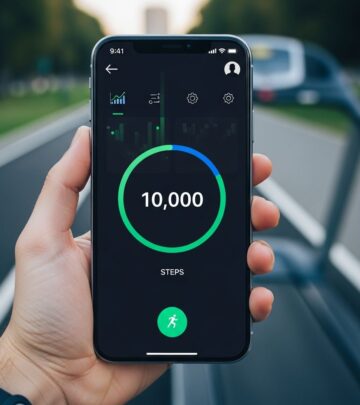
Beginners should start walking, progressing to run-walk intervals. Track via apps for distance or METs, prioritizing consistency.
Practical Tips for Getting Started
- Assess fitness: Beginners opt for walking; advanced favor running.
- Set goals: Weight loss leans running; joint health favors walking.
- Duration over speed: Aim for 150 weekly moderate minutes or 75 vigorous.
- Gear up: Proper shoes reduce risks for both.
- Monitor progress: Use heart rate for intensity.
Frequently Asked Questions
Is walking enough for fitness?
Yes, especially brisk walking matching energy needs lowers disease risks like running.
Does running build more muscle?
Running engages more fast-twitch fibers, aiding leg strength, but neither replaces resistance training.
How much should I do weekly?
Guidelines: 150-300 min moderate (walking) or 75-150 min vigorous (running).
Can I combine both?
Absolutely—walk recovery days, run intense sessions for balanced benefits.
Which is better for beginners?
Walking: Lower barrier, builds base safely.
Choosing Your Path Forward
Neither reigns supreme universally. Running excels in efficiency and intensity-driven gains; walking shines in accessibility and sustainability. Tailor to your body, goals, and enjoyment for lasting habits. Consult professionals for personalized advice, especially with health conditions.
References
- Walking vs. running: Which is better for you? — Runner’s World. 2024. https://www.runnersworld.com/uk/training/beginners/a65265372/walking-vs-running/
- The Difference Between Walking and Running — WebMD. 2023-10-15. https://www.webmd.com/fitness-exercise/difference-between-walking-and-running
- Walking vs. Running: Which Is Better for Your Health? — Healthline. 2023. https://www.healthline.com/health/walking-vs-running
- Walking vs. Running: Which Is Better for You? — Cleveland Clinic. 2024. https://health.clevelandclinic.org/walking-vs-running
- Walking vs running for hypertension, cholesterol, & diabetes risk — PMC (NIH). 2013-05-01. https://pmc.ncbi.nlm.nih.gov/articles/PMC4067492/
Similar Articles








Read full bio of medha deb