Volunteering’s Role in College Admissions
Discover how strategic volunteering can elevate your college application by showcasing leadership, commitment, and community impact beyond mere hours logged.
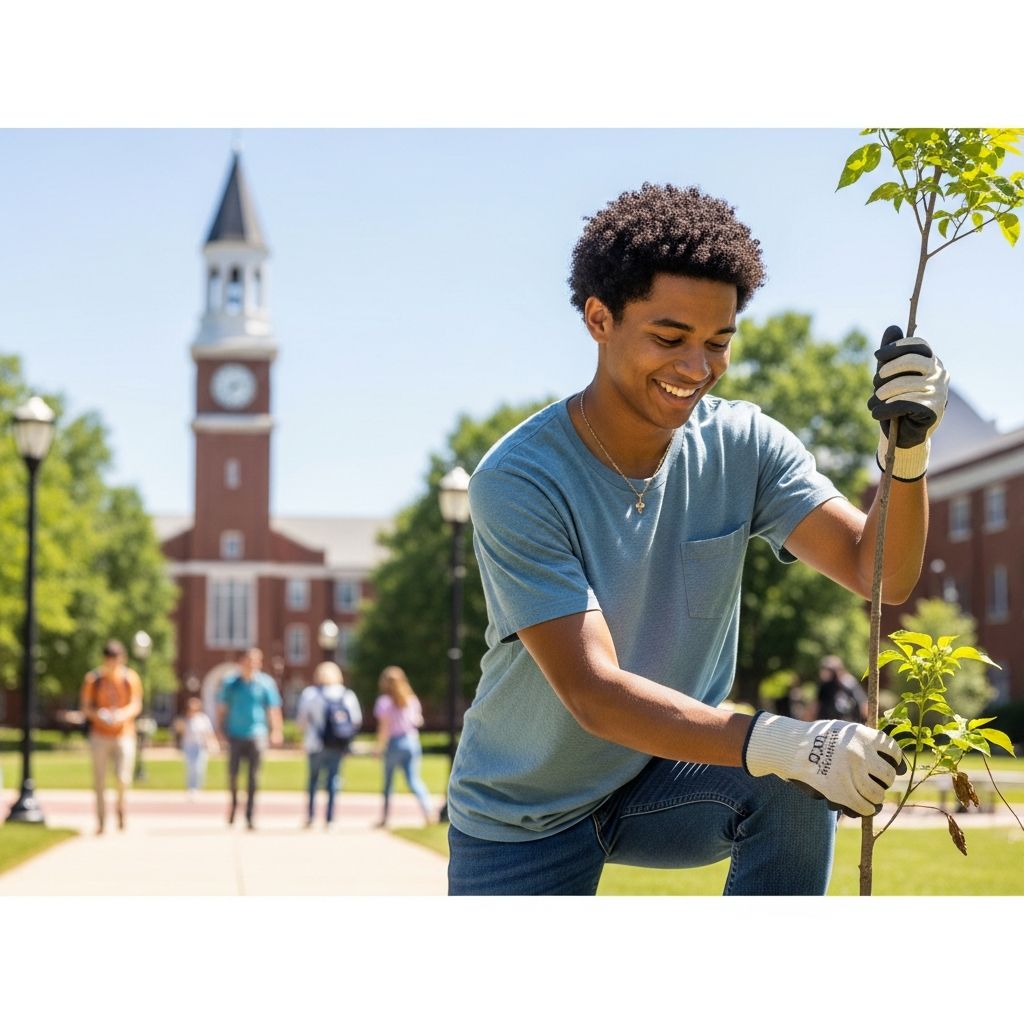
Volunteering plays a significant but contextual role in college admissions, where admissions officers prioritize depth, leadership, and alignment with a student’s interests over sheer volume of hours. Data shows that students with 100+ volunteer hours often stand out, particularly at selective institutions, as this threshold signals sustained commitment amid 55% of college-bound high schoolers reaching it.
Understanding Volunteering Benchmarks in Admissions
Admissions committees view volunteer hours as indicators of character and time management, but raw numbers alone rarely sway decisions. The 100-hour mark distinguishes dedicated participants from casual ones, with suburban students averaging 127 hours by graduation, urban at 89, and rural at 76. Private school attendees log 168 hours on average versus 94 for public school students, highlighting access disparities.
Selective colleges, with acceptance rates under 20%, integrate volunteering into holistic reviews, expecting ties to academic passions or unique initiatives. State universities favor steady local involvement, while liberal arts schools value service mirroring their community focus. A University of Pennsylvania analysis found 78% of admits reported 100+ hours, compared to 52% of applicants, underscoring its differentiating power among similar profiles.
Quality and Impact: What Admissions Officers Really Value
Leadership evolution—from participant to organizer—amplifies impact far beyond hours. Metrics like funds raised or individuals served provide tangible proof of contribution. A NACAC survey of 264 officers revealed 58% see community service boosting acceptance odds, with 53% using it as a tiebreaker for equally qualified candidates.
Authenticity matters: scattered efforts across unrelated causes dilute perceived passion, whereas 2-3 sustained roles over years build credibility. For STEM aspirants, lab-related service trumps generic tasks; humanities students shine via literacy or preservation projects.
| College Type | Preferred Volunteer Traits | Example Impact Metrics |
|---|---|---|
| Highly Selective (<20% acceptance) | Academic alignment, initiative | Created program serving 50+; raised $5K |
| State Flagship | Consistent local engagement | Weekly 3hr commitment, 120hrs/year |
| Liberal Arts | Community values reflection | Led team of 10 volunteers |
Regional and Demographic Influences on Expectations
Context shapes evaluation: rural students with fewer options earn credit for virtual or self-initiated efforts, while mandatory service schools demand exceeding basics. Work or family duties, when documented, adjust expectations. International applicants from service-mandated nations often surpass 200 hours, aligning with IB’s 150-hour CAS requirement.
- Suburban: Abundant options, avg 127hrs
- Urban: Diverse but competitive, avg 89hrs
- Rural: Limited access, avg 76hrs—virtual options key
- Private vs Public: 168hrs vs 94hrs
Strategic Planning for Maximum Admissions Benefit
Balance volunteering with academics, tests, and extracurriculars. Weekly 2-3 hours over 40 weeks hits 100+; summers accelerate via intensive programs. Align with career goals: pre-meds at clinics, not shelters unrelated to medicine. Local choices cut costs; virtual post-COVID aids remote students.
Financial realities include transport and supplies—opt for walkable sites or employer-sponsored programs. Micro-volunteering apps suit busy schedules, though long-term depth impresses more than short “voluntourism.”
Presenting Volunteer Experience Effectively
In Common App sections, spotlight outcomes: “Led tutoring for 30 students, boosting reading by 1.2 grades” beats “150 hours tutoring.” Essays can weave service into narratives of growth, per experts noting passion as colleges’ desired spark.
Trends: skills-based matching, corporate programs for working students. Track rigorously for multi-country apps.
Beyond Admissions: Lifelong Advantages of Volunteering
Volunteering boosts employability—27% higher odds, 82% employer preference, 85% flaw forgiveness. College students favor youth/education service (1/3 participation); value per hour hit $25.43 in 2019. Postsecondary education doubles volunteer rates (27% vs 14%), linking to health and community strength.
Studies show stronger happiness/social gains for men and longer durations. BLS notes religious orgs lead, with 27.3% in education/youth.
Common Myths and Practical Tips
- Myth: More hours always win. Reality: Depth trumps volume.
- Myth: Mandatory hours suffice. Reality: Exceed and personalize.
- Tip: Start early, seek leadership, quantify wins.
- Tip: Virtual/local for accessibility.
FAQs
How many volunteer hours for college apps?
100+ signals commitment at selective schools, but quality/leadership key.
Does volunteering guarantee admission?
No—it’s a differentiator, not checkbox; 58% officers note positive effect.
Best volunteer types for apps?
Aligned with interests, showing impact/leadership.
Virtual volunteering count?
Yes, valued for accessibility, especially rural/international.
How to list on applications?
Emphasize metrics, growth in 150-char limits.
References
- How Volunteering Hours Affect College Admissions — Collegebase. 2023. https://collegebase.org/blog/100-hours-volunteering-college-admissions
- The Real-World Benefits of Volunteering for College Students — Galaxy Digital. 2019. https://www.galaxydigital.com/blog/benefits-volunteering-college
- How Volunteering Can Shape a College Application — Ivy Coach. N/A. https://www.ivycoach.com/press/midcity-dc/how-volunteering-can-shape-a-college-application/
- Volunteerism in College — EBSCO Research Starters. 2011. https://www.ebsco.com/research-starters/education/volunteerism-college
- Volunteering: How Helping Others Helps You — BigFuture College Board. N/A. https://bigfuture.collegeboard.org/plan-for-college/stand-out-in-high-school/volunteering-how-helping-others-helps-you
- Postsecondary Education Linked to Volunteerism, Better Health — Gallup. N/A. https://news.gallup.com/poll/510254/postsecondary-education-linked-volunteerism-better-health.aspx
- Does volunteering benefit students’ happiness, social… — PMC/NCBI. N/A. https://pmc.ncbi.nlm.nih.gov/articles/PMC12102850/
Similar Articles








Read full bio of Sneha Tete