Voluntary Employee Associations: Overview and Benefits
Understanding voluntary employee associations and their role in workplace benefits.

What Are Voluntary Employee Associations?
A voluntary employee association is an organization formed by employees of a company to provide additional benefits, services, or advocacy that goes beyond what the employer typically offers. These associations are created through the collective effort of workers who share common interests or needs within the workplace. Members join these organizations on a voluntary basis, meaning participation is entirely optional and not mandated by the employer or employment contract.
Voluntary employee associations represent a form of collective action where employees band together to negotiate group discounts, arrange supplemental benefits, or advocate for workplace improvements. Unlike labor unions, which are primarily focused on wages, working conditions, and collective bargaining, voluntary employee associations often concentrate on providing members with access to specialized services and exclusive benefits that might otherwise be unavailable or prohibitively expensive to obtain individually.
Historical Context and Evolution
The concept of voluntary employee associations has evolved significantly over the past century. Initially, these organizations emerged as informal groups where employees would pool resources to access better rates on insurance products, savings plans, or other financial services. As workplace benefit structures became more sophisticated, voluntary employee associations adapted to fill gaps left by employer-sponsored plans.
In the modern era, voluntary employee associations have become formalized structures that partner with employers and third-party administrators to deliver coordinated benefit programs. Many of these associations now operate on a national or regional scale, leveraging their member base to negotiate advantageous rates with service providers.
Key Features and Characteristics
Membership and Participation
Voluntary employee associations operate on an opt-in basis. Employees learn about available associations through employer communications, HR departments, or word-of-mouth from colleagues. Once informed, employees can choose to participate or decline membership without any adverse employment consequences. This voluntary nature distinguishes these organizations from mandatory workplace programs and protects employee autonomy.
Membership typically involves minimal administrative burden. Employees may complete simple enrollment forms and provide consent for payroll deductions if they wish to participate in subscription-based services. Many associations offer flexible enrollment periods, allowing employees to join during open enrollment periods or upon qualifying life events.
Benefit Offerings
Voluntary employee associations provide diverse benefit offerings tailored to address common employee needs:
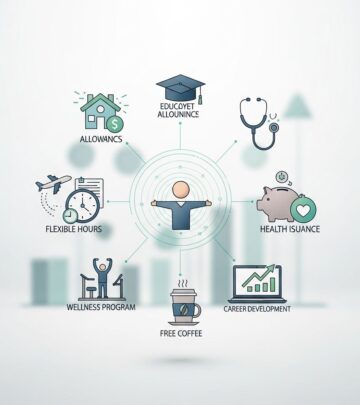
- Supplemental insurance products (accident, critical illness, disability)
- Legal services and identity theft protection
- Financial wellness programs and retirement planning resources
- Health and wellness services
- Pet insurance and veterinary services
- Commuter benefits and transportation programs
- Discounted retail services and memberships
Cost Structure
Most voluntary employee association benefits are employee-paid, meaning workers bear the full cost of participation. However, the association structure allows members to benefit from group purchasing power, typically resulting in lower rates than individuals would secure independently. Some employers choose to subsidize certain programs, though this is not universal practice.
Costs are often deducted directly from employee paychecks through pre-tax or post-tax mechanisms, depending on the benefit type and tax implications. This convenient deduction method increases accessibility and encourages participation.
Types of Voluntary Employee Associations
| Type of Association | Primary Focus | Typical Members |
|---|---|---|
| Insurance-Based Associations | Supplemental insurance coverage | Employees seeking additional protection |
| Financial Services Associations | Credit unions, savings plans, financial counseling | Employees interested in financial wellness |
| Professional Development Associations | Training, certifications, career advancement | Career-focused employees |
| Advocacy Associations | Workplace rights, employee representation | Employees seeking workplace advocacy |
| Lifestyle and Wellness Associations | Health programs, fitness, wellness initiatives | Health-conscious employees |
Benefits of Voluntary Employee Associations
For Employees
Voluntary employee associations deliver substantial value to participating workers. Members gain access to comprehensive benefit packages that would be financially prohibitive to obtain individually. The group purchasing model creates economies of scale, allowing associations to negotiate favorable rates with service providers.
Additionally, these associations empower employees by giving them greater control over their benefit selections. Rather than accepting only employer-selected programs, employees can customize their benefits to match their specific circumstances and preferences. This personalization increases employee satisfaction and perceived value of the total compensation package.
Voluntary employee associations also foster workplace community and connection. By participating in these organizations, employees develop relationships with colleagues and gain a sense of belonging within their workplace community.
For Employers
From an employer perspective, voluntary employee associations offer several strategic advantages. These programs enable companies to expand their benefits offerings without directly bearing the financial burden. By partnering with associations to deliver supplemental benefits, employers can enhance their total rewards packages and improve employee satisfaction.
Voluntary employee associations also support employer branding and recruitment efforts. Job candidates increasingly expect comprehensive benefits packages, and the availability of multiple voluntary programs signals employer commitment to employee wellbeing. This can provide a competitive advantage in talent acquisition and retention.
Furthermore, these associations reduce administrative burden on HR departments. Third-party administrators typically manage enrollment, communication, and benefit delivery, freeing internal resources for strategic HR initiatives.
Legal Structure and Regulation
Voluntary employee associations operate within specific legal frameworks that vary by jurisdiction. In most cases, these organizations must comply with regulations governing employee benefits, insurance, and data privacy. The structure and governance of these associations are typically defined in bylaws and operating agreements.
Regulatory oversight ensures that associations operate transparently and in the best interests of members. Compliance requirements may include financial reporting, member communication standards, and adherence to insurance regulations. Associations must maintain proper documentation of member agreements and benefit terms.
In the United States, voluntary employee associations may be subject to regulations under the Employee Retirement Income Security Act (ERISA), depending on their structure and the types of benefits offered. Understanding these regulatory requirements is essential for both associations and employers utilizing their services.
Challenges and Considerations
Despite their benefits, voluntary employee associations face several challenges. Employee awareness remains a significant obstacle—many workers lack knowledge about available associations and their offerings. Employers must invest in communication strategies to ensure employees understand how these programs can benefit them.
Additionally, participation rates can be unpredictable, affecting the sustainability of association programs. Low enrollment may limit the group purchasing power that makes these associations attractive to members. Associations must continually work to improve value propositions and communication to maintain engagement.
Coordination between voluntary associations and employer-sponsored benefits requires careful planning to avoid duplication or conflicts. HR departments must ensure that voluntary programs complement rather than compete with primary benefit offerings.
Future Trends in Voluntary Employee Associations
The voluntary employee association landscape continues to evolve in response to changing workforce needs and technological advancements. Digital platforms are increasingly enabling more efficient enrollment and benefit management processes. Mobile applications now allow members to access benefits information and manage accounts seamlessly.
There is growing emphasis on mental health and wellness benefits within voluntary associations. As workplace stress and mental health awareness increase, associations are expanding offerings to include mental health counseling, stress management programs, and holistic wellness initiatives.
Additionally, voluntary associations are increasingly focusing on financial wellness and retirement security. As defined benefit pensions become less common, associations are partnering with financial services providers to help employees build retirement savings and achieve financial goals.
How to Choose Voluntary Employee Association Benefits
Employees evaluating voluntary employee association offerings should consider several key factors. First, assess your current benefit coverage and identify gaps that voluntary programs could address. Evaluate the cost of participation relative to the value provided and consider whether the benefits align with your personal or family needs.
Review the reputation and financial stability of the association and service providers. Examine member reviews and satisfaction ratings when available. Consider the ease of accessing benefits and the quality of customer support. Finally, evaluate the tax implications of participation, particularly regarding pre-tax versus post-tax deduction options.
Frequently Asked Questions
Q: Are voluntary employee associations the same as labor unions?
A: No, voluntary employee associations and labor unions serve different purposes. While unions focus on collective bargaining for wages and working conditions, voluntary associations primarily provide access to supplemental benefits and services. Unions involve formal representation and negotiation processes, whereas voluntary associations are benefit-focused organizations.
Q: Can participation in a voluntary employee association affect my employment status?
A: No, participation in voluntary employee associations is entirely optional and cannot affect employment status, compensation, or job security. Employers cannot require participation or penalize employees for choosing not to participate.
Q: Are benefits provided through voluntary employee associations taxed?
A: Tax treatment depends on the specific benefit type. Some voluntary benefits can be paid through pre-tax payroll deductions, reducing taxable income, while others are post-tax. Consult with a tax professional or your HR department for guidance on specific benefits.
Q: How do voluntary employee associations negotiate lower rates?
A: Voluntary associations leverage their aggregate member base as purchasing power. By pooling the demand of thousands or millions of members, associations can negotiate more favorable rates with service providers than individuals could obtain independently.
Q: What happens to my benefits if I leave the company?
A: This depends on the specific benefit and the association’s policies. Some benefits may be portable, allowing continuation under individual terms, while others may terminate upon employment separation. Review your benefit documents for specific information about portability.
References
- Voluntary Association — Wikimedia Foundation. 2025. https://en.wikipedia.org/wiki/Voluntary_association
- Employee Benefits Overview and Regulations — U.S. Department of Labor. 2024. https://www.dol.gov
- ERISA Compliance and Employee Benefit Plans — Internal Revenue Service. 2024. https://www.irs.gov
- Workplace Benefits and Employee Wellness — Society for Human Resource Management. 2025. https://www.shrm.org
Similar Articles








Read full bio of Sneha Tete