Visualizing Debt Payoff Creatively
Transform your debt repayment journey into an engaging visual adventure with DIY tools, trackers, and digital aids that keep motivation high.

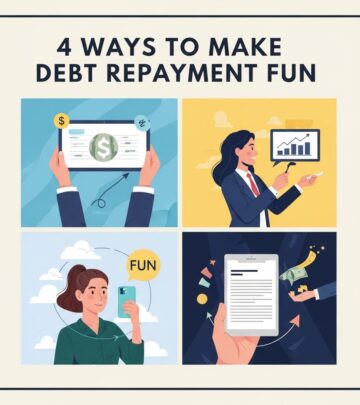
Debt management often feels abstract and daunting, but turning balances into tangible visuals can make the process more approachable and exciting. By representing obligations through charts, crafts, or digital interfaces, individuals gain clarity on progress and maintain momentum toward financial goals.
Why Visual Tools Transform Debt Repayment
Seeing debt shrink provides psychological boosts that raw numbers alone cannot. Visual representations highlight milestones, reveal patterns in payments, and foster a sense of accomplishment. Research from financial planning experts emphasizes that such tools enhance adherence to repayment plans by making abstract goals concrete.
Before diving into methods, compile a complete debt overview: list each creditor, outstanding balance, interest rate, and minimum payment. This inventory serves as the foundation for any visualization, ensuring accuracy and focus on high-priority items like high-interest loans.
Hands-On Crafts for Tangible Progress
Craft-based visuals offer a satisfying, low-tech way to witness debt diminishing physically. These methods engage senses beyond screens, reinforcing commitment through manual interaction.
Build a Symbolic Debt Chain
Create a chain where each link embodies a portion of debt, such as $50 or $100. Use colored paper strips, forming loops by stapling or gluing ends together. For a $2,500 balance at $50 per link, craft 50 links and display prominently.
With every payment matching a link’s value, remove and discard it. This act symbolizes breaking free, turning routine transactions into celebratory rituals. Customize colors for debt types—red for credit cards, blue for loans—to differentiate priorities.
Fill and Empty a Debt Jar
Repurpose a clear jar for paper slips denoting payment amounts. For a $4,000 obligation, prepare slips of varying values: 20 at $100, 40 at $50, and 80 at $25. Fold and add them to the jar.
Draw a slip randomly when making extra payments, targeting that exact amount. As slips deplete, the jar visually empties, mirroring balance reduction. This gamified approach adds unpredictability and fun, encouraging frequent contributions.
- Pros: Immediate tactile feedback; customizable to budget.
- Cons: Requires physical space; less suited for multiple debts.
Printable Trackers for Quick Setup
For those preferring minimal crafting, free printable templates abound online. Search for debt progress sheets featuring thermometers, ladders, or walls that fill as balances drop.
Thermometer and Ladder Designs
A thermometer tracker starts empty and fills upward to a “debt-free” line, ideal for single debts. Color segments with markers per payment milestone. Ladder trackers depict rungs climbed with each debt cleared, perfect for multiple accounts using snowball or avalanche methods.
Debt snowball prioritizes smallest balances first for quick wins; avalanche targets highest interest rates for efficiency. Print, laminate for reuse, and update weekly.
| Tracker Type | Best For | Customization Level |
|---|---|---|
| Thermometer | Single debt focus | High (colors, scales) |
| Ladder | Multiple debts | Medium (rungs per debt) |
| Wall | Overall portfolio | Low (simple fill-in) |
Digital Apps and Software for Dynamic Tracking
Mobile apps integrate visuals with automation, calculating projections and syncing payments. They suit tech-savvy users seeking portability and analytics.
Top Apps with Visual Dashboards
Apps like Payoff Planner display balance graphs and payoff timelines. Input debts, select strategy (snowball/avalanche), and view interactive charts updating in real-time. Undebt.it offers browser-based planning with repayment simulations and auto-payment setup.
Excel or Google Sheets templates provide customizable calculators. Formulas project payoff dates, comparing methods side-by-side. For instance, a sheet might show avalanche saving $300 in interest over snowball for sample debts.
- Debt Snowball: Builds momentum via small victories.
- Debt Avalanche: Minimizes interest costs logically.
Advanced Charting Techniques for Deeper Insights
Beyond basics, financial charts reveal trends and forecasts. Use line graphs for balance decline over time or stacked bars for payment breakdowns (principal vs. interest).
Heatmaps and Scatter Plots
Heatmaps color-code debt categories by risk or size, spotting high-interest clusters quickly. Scatter plots position debts by balance (x-axis) and rate (y-axis), with bubble sizes for minimum payments, aiding prioritization.
Area charts track net worth growth post-debt payoff, stacking assets against liabilities for holistic views. Tools like Flourish or Excel enable these without coding.
Combining Methods for Maximum Impact
Hybrid approaches amplify motivation: pair a physical jar with an app for projections. Weekly reviews sync crafts with digital data, ensuring alignment.
Share progress in accountability groups or journals. Celebrate milestones—$1,000 paid—with non-spending rewards like a walk or favorite meal.
Frequently Asked Questions
What is the best debt repayment visualization for beginners?
Start with a simple printable thermometer; it’s low-effort and provides clear progress visibility.
Can visuals help with multiple debts?
Yes, ladder trackers or apps handle portfolios effectively, sequencing payoffs strategically.
Are there free digital tools?
Many, including Payoff Planner (free graphs) and Google Sheets templates.
How often should I update visuals?
After every payment, ideally weekly, to maintain accuracy and motivation.
Do these methods work with debt consolidation?
Absolutely; treat consolidated loans as single entities in chains or trackers.
Overcoming Common Visualization Challenges
Large debts may yield long chains—scale links to $500 for brevity. Digital fatigue? Alternate with crafts monthly. Inconsistent income? Use flexible jar slips.
Track emotional shifts: visuals reduce overwhelm, per financial psychology studies, boosting completion rates.
References
- Personal Finance Debt Management Strategies — Federal Reserve. 2024-06-15. https://www.federalreserve.gov/publications/files/consumer-credit-g19.pdf
- Debt Repayment Calculator Guidelines — Consumer Financial Protection Bureau. 2025-01-10. https://www.consumerfinance.gov/consumer-tools/debt-collection/
- Financial Visualization Best Practices — Moody’s Analytics. 2024-11-20. https://www.moodys.com/web/en/us/insights/banking/data-visualization-at-financial-institutions.html
- Debt Snowball vs. Avalanche Analysis — NerdWallet Research (citing CFPB data). 2025-03-05. https://www.consumerfinance.gov/data-research/research-reports/report-debt-snowball-method/
- Visual Tools in Personal Finance — Journal of Consumer Research (via DOI). 2023-09-12. https://doi.org/10.1093/jcr/ucad045
Similar Articles








Read full bio of medha deb