Visa vs Mastercard: Smart Choice Guide
Discover key differences between Visa and Mastercard to pick the best credit card network for your spending habits and rewards needs.

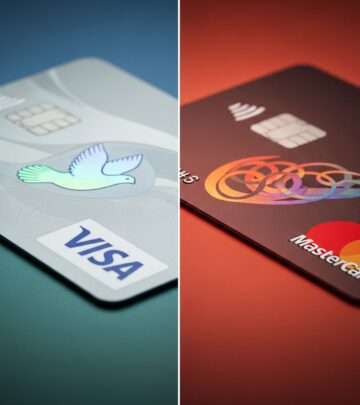
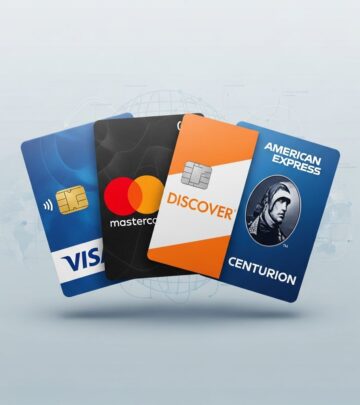
Choosing between a Visa or Mastercard can feel overwhelming with so many options available. Both are dominant payment networks powering billions of transactions worldwide. This guide breaks down their differences in acceptance, rewards, fees, security, and more to help you decide which fits your financial life.
Understanding Payment Networks Basics
Visa and Mastercard operate as
payment networks
, not banks. They process transactions between merchants, banks, and cardholders. Issuing banks create the actual cards and set terms like interest rates and rewards. Networks handle authorization, clearing, and settlement.Visa processes over 200 billion transactions yearly, while Mastercard handles around 150 billion. Both boast near-universal acceptance at millions of locations globally.
Global Reach and Acceptance Levels
Acceptance is a top priority for card users. Visa edges out with slightly broader merchant coverage, especially in emerging markets and debit transactions. Mastercard matches closely, often preferred in Europe and Asia for certain partnerships.
- Visa strengths: Dominant in U.S. debit (over 50% share) and Latin America.
- Mastercard strengths: Strong in international travel and luxury spending.
In practice, you’ll rarely find a merchant taking one but not the other. Both work at 99%+ of U.S. locations and 90%+ worldwide.
Financial Muscle Behind the Brands
Scale influences innovation and perks. Visa leads in size: $41.39B revenue vs Mastercard’s $32.79B (TTM 2026). Market cap stands at $569.77B for Visa and $432.15B for Mastercard.
| Metric | Visa | Mastercard |
|---|---|---|
| Revenue (TTM) | $41.39B | $32.79B |
| Net Margin | 50.2% | 45.6% |
| Operating Margin | 68.3% | 57.7% |
| Free Cash Flow | $22.03B | $16.27B |
Visa’s superior margins fund aggressive tech investments, benefiting cardholders with faster payments and better fraud tools. Mastercard counters with faster revenue growth (17.6% vs 14.6%).
Rewards and Benefits Showdown
Rewards depend more on issuers like Chase or Citi than networks. However, network-specific perks add value.
Visa Signature and Infinite Perks
Visa offers tiered benefits: Traditional, Signature, Infinite. Signature cards provide extended warranties, travel insurance, and concierge services. Infinite adds luxury perks like airport lounge access on premium cards.
- Price protection up to $250/item.
- Travel accident insurance up to $1M.
- Cell phone protection (reimbursement for damage).
Mastercard World and World Elite Advantages
Mastercard’s World and World Elite tiers rival Visa. World Elite shines for travelers with Priority Pass lounges, Lyft credits, and Instacart perks.
- Zero liability for unauthorized charges.
- ShopRunner free shipping.
- DoorDash DashPass credits.
Both evolve perks yearly. Mastercard emphasizes digital wallet integrations; Visa focuses on purchase protections.
Fees and Costs for Users
No direct fees from networks to consumers—issuers charge annual fees, APRs (15-25% average). Network differences are subtle:
- Foreign transaction fees: Both ~3% on non-USD purchases unless waived.
- Cash advance fees: 3-5% via issuers.
- Late fees: Up to $40, regulated by CARD Act.
Premium cards from either waive foreign fees. Compare issuer terms over network.
Security and Fraud Protection
Both prioritize safety with EMV chips, tokenization, and AI monitoring. Visa’s Visa Secure and Mastercard’s Identity Check use biometrics for online buys.
- Visa: Advanced Authorization with machine learning detects 90%+ fraud attempts.
- Mastercard: Real-time alerts and biometric authentication.
Zero liability policies protect against unauthorized use on both.
Choosing for Specific Lifestyles
Everyday Spending
Opt for
Visa
if heavy on groceries/debit—broader U.S. acceptance.Mastercard
suits online shoppers with World Elite digital perks.Travel Enthusiasts
**Mastercard World Elite** wins for lounge access and Uber credits. Visa Infinite offers strong insurance but fewer lifestyle perks.
Business Users
Visa Business cards excel in expense tracking; Mastercard in global payouts.
Analysts favor Visa for 2026 stability, Mastercard for growth.
Network-Agnostic Tips
- Focus on issuer rewards (cashback vs points).
- Check APR, fees before approval.
- Use tools like Credit Karma for pre-approvals.
- Build credit with secured versions if starting out.
Frequently Asked Questions
Which is more widely accepted, Visa or Mastercard?
Visa has a slight edge in debit and emerging markets, but both are accepted almost everywhere.
Do Visa and Mastercard have different rewards?
Rewards are issuer-driven, but network perks like travel insurance differ by tier.
Is one cheaper to use abroad?
No—both charge similar foreign fees unless waived by issuer.
Which is safer?
Both offer top-tier fraud protection with zero liability.
Can I have both Visa and Mastercard?
Yes—diversify for maximum acceptance and perks.
Final Thoughts on Picking Your Network
Neither Visa nor Mastercard is universally superior. Match to your spending: Visa for scale, Mastercard for niche perks. Always review full card terms from issuers. In 2026, both networks drive innovation in contactless and digital payments, ensuring reliable service.
References
- Mastercard vs Visa: Business Model & Financial Comparison 2026 — PitchGrade. 2026. https://pitchgrade.com/compare/mastercard-vs-visa
- Visa or Mastercard: Which sets up better for 2026? Jefferies weighs in — Investing.com. 2025-12-01. https://www.investing.com/news/stock-market-news/visa-or-mastercard-which-sets-up-better-for-2026-jefferies-weighs-in-4246221
- Visa vs. Mastercard: Which Payment Giant Is the Better Buy Today? — The Dividend Guy Blog. 2025. https://thedividendguyblog.com/visa-vs-mastercard/
Similar Articles








Read full bio of Sneha Tete