Visa vs Mastercard: Key Differences Explained
Discover the real differences between Visa and Mastercard payment networks and which is right for you.
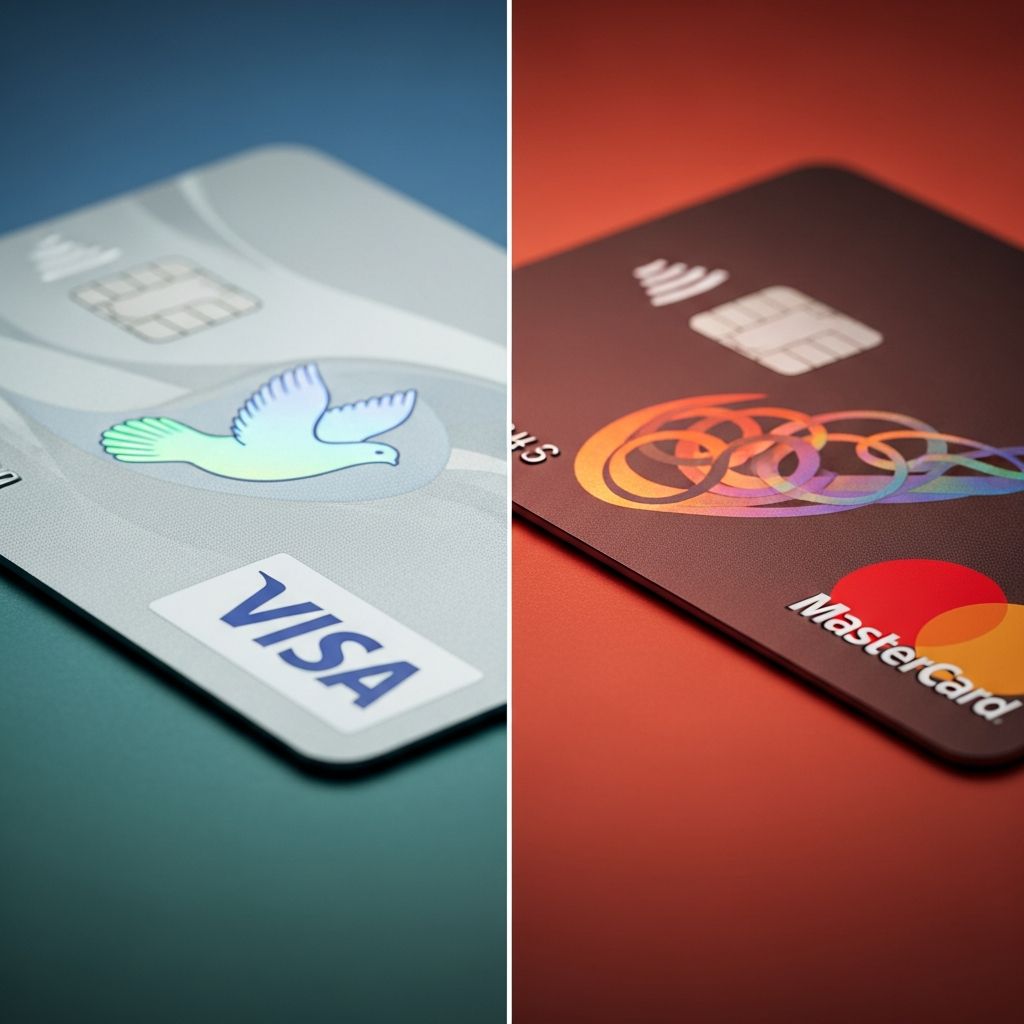
Visa vs Mastercard: Understanding the Difference
When it comes to choosing a credit card, one of the first decisions consumers face is whether to opt for a Visa or Mastercard. While both payment networks are widely accepted globally and offer robust security features, there are notable differences between them that can influence which card is best suited to your financial needs. Understanding these differences can help you make a more informed decision about which payment network aligns with your lifestyle and spending habits.
Both Visa and Mastercard operate as payment networks rather than banks or credit card issuers. This means that neither network directly issues credit cards to consumersinstead, banks and financial institutions issue cards on behalf of these networks. The differences between Visa and Mastercard primarily relate to the benefits, fee structures, and services that each network provides to its cardholders and partner institutions.
Global Acceptance and Reach
One of the most significant considerations when choosing between Visa and Mastercard is their global acceptance. While both networks have extensive international reach, there are subtle differences in their coverage.
Visa’s Global Presence: Visa operates in approximately 200 countries and territories worldwide, making it one of the most widely accepted payment networks globally. The extensive acceptance makes Visa particularly attractive for international travelers and business professionals who frequently cross borders.
Mastercard’s International Coverage: Mastercard has a slightly wider reach, operating in over 210 countries and territories. This marginally broader presence can be an advantage for travelers visiting more remote regions or emerging markets where Mastercard might have established stronger partnerships than Visa.
In practical terms, for most everyday purchases and travel scenarios, the difference in global acceptance between the two networks is minimal. Both are recognized and accepted at major retailers, restaurants, hotels, and financial institutions worldwide. The choice between them rarely comes down to acceptance alone, unless you frequently travel to very specific regions where one network has a stronger presence than the other.
Security Features and Fraud Protection
Security is a paramount concern for credit card users, and both Visa and Mastercard have invested heavily in protecting their customers against fraud and unauthorized transactions.
Visa’s Security Framework: Visa employs multiple layers of security to safeguard transactions both online and offline. The network’s Zero Liability policy protects cardholders against unauthorized transactions if their card is lost or stolen, provided they report the loss promptly. Additionally, Visa Secure provides advanced security measures specifically designed for online purchases, utilizing technologies such as tokenization and CVV2 verification. Visa’s advanced fraud monitoring systems can detect threats in milliseconds, adding an extra layer of protection to every transaction.
Mastercard’s Security Approach: Mastercard offers Zero Liability Protection, ensuring that cardholders are not held accountable for unauthorized transactions if they take reasonable precautions and report any loss or theft promptly. The network features Mastercard SecureCode for online authentication and employs sophisticated encryption protocols for data protection. Additionally, Mastercard’s ID Theft Protection service monitors the dark web for any potentially compromised personal information, helping remedy situations where data has been compromised.
Both networks utilize tokenization, which replaces your actual card number with a unique digital code during transactions, protecting your account information from mid-transaction theft. In terms of raw security capabilities, both Visa and Mastercard offer comparable and robust protection mechanisms, with any differences being more about the specific technologies and approaches they use rather than the overall level of security provided.
Card Tier Structures and Benefits
Both Visa and Mastercard organize their card offerings into multiple tiers, each with varying levels of benefits and perks. Understanding these tiers can help you determine which network offers the benefits most valuable to your lifestyle.
Visa’s Card Tiers:
- Visa Traditional: The entry-level tier, offering perks such as pay-per-use 24/7 roadside assistance, a free credit monitoring program through Dovly Uplift, and emergency card replacement available within 24 to 72 hours. This tier provides a slight advantage over comparable Mastercard offerings when it comes to entry-level benefits.
- Visa Signature: The mid-tier offering, which includes extensive travel protections such as auto rental insurance, trip cancellation coverage, and lost luggage reimbursement. This tier is particularly beneficial for frequent travelers.
- Visa Infinite: The premium tier, offering the most comprehensive travel and purchase protections, along with concierge services and exclusive access to special events and experiences.
Mastercard’s Card Tiers:
- Mastercard Standard: The entry-level offering, which provides primarily ID theft protection. This tier offers fewer entry-level benefits compared to Visa Traditional.
- Mastercard World: The mid-tier option, offering enhanced benefits and lifestyle perks. This tier reserves more substantial benefits for higher-tier cardholders.
- Mastercard World Elite: The premium tier, featuring unique travel-related perks such as access to airport lounges and discounts through Booking.com. However, Mastercard has shifted away from many traditional travel protections in its World Elite offerings, instead focusing on exclusive experiences and lifestyle benefits through its Priceless experiences program.
A key distinction is that Visa tends to distribute benefits more evenly across its tier structure, offering more perks at entry and mid-level tiers, while Mastercard reserves its most premium benefits for higher-tier cards.
Travel Benefits and Rewards
For travelers and those who value experiential rewards, the differences between Visa and Mastercard become more pronounced.
Visa’s Travel Advantages: Visa Signature cards provide comprehensive travel protections that include auto rental insurance coverage, trip cancellation reimbursement, and lost luggage recovery assistance. These protections are designed to offer peace of mind and financial security during trips, making Visa particularly attractive for business travelers and vacation enthusiasts.
Mastercard’s Travel Features: Mastercard World Elite members gain access to airport lounges worldwide and receive exclusive travel discounts through partnerships with major booking platforms like Booking.com. Additionally, Mastercard’s Priceless experiences program offers access to unique lifestyle events, exclusive dining experiences, and entertainment options that cannot be obtained through Visa. For international travelers specifically, Mastercard often provides better currency conversion rates, potentially saving money on every foreign transaction.
The choice between these two networks for travel depends on your priorities: if you value traditional travel protections and insurance coverage, Visa may be more suitable; if you prefer unique experiences and potentially better exchange rates, Mastercard might be the better option.
Rewards Programs and Cash Back
While both Visa and Mastercard offer rewards programs, the specifics are typically determined by the issuing bank rather than the network itself. However, there are some general patterns in how the two networks structure their reward offerings.
Visa cards frequently offer rewards for everyday purchases such as groceries, gas, and dining, with some cards providing higher cash back percentages in specific spending categories. Mastercard cards often emphasize rewards for travel spending and lifestyle purchases, with programs designed to accumulate points for premium experiences and exclusive events.
The actual rewards program you receive depends more on the specific credit card product and issuing bank than on whether you choose Visa or Mastercard. Therefore, when evaluating cards, it’s important to compare the specific rewards structures offered by the individual cards themselves rather than making generalizations based on the network alone.
Technology and Innovation
Both networks continue to innovate in payment technology, with distinct approaches to the future of payment systems.
Visa’s Innovations: Visa is focused on digital identity and security advancements. The Visa Direct service is a standout feature, allowing real-time payments between businesses and individuals, which is particularly useful for gig economy workers and independent contractors. Additionally, Visa is piloting Flexible Credential technology in Japan, which allows users to switch between different funding sources (debit, credit, prepaid, rewards points) seamlessly from a single token, with exploration ongoing for business applications and multi-currency payments.
Mastercard’s Approach: Mastercard is investing in data connectivity and real-time movement of funds. The network has strong emphasis on contactless payment technology, with widespread adoption of tap-and-go functionality that allows for fast, secure payments without physical card contact. Mastercard’s OneCredential system offers consumers a single, digitally connected credential that consolidates multiple payment methods, configured to individual preferences.
Fee Structures
The fee structures between Visa and Mastercard differ in how they charge financial institutions, which can indirectly affect consumers.
Visa charges data processing fees to card issuers on a per-transaction basis, while Mastercard charges issuing banks connectivity fees to use the Mastercard network. These different fee structures can influence the annual percentage rates (APRs), annual fees, and other costs that banks pass on to consumers through their credit card products. However, the relationship between the network fee structure and what a consumer ultimately pays depends significantly on how individual banks choose to structure their card offerings.
Entry-Level Benefits Comparison
For consumers just starting out with credit cards or those seeking entry-level options, there are meaningful differences between the two networks.
Visa Traditional provides more comprehensive entry-level benefits, including 24/7 roadside assistance, free credit monitoring, and emergency card replacement services. Mastercard Standard, by contrast, primarily focuses on ID theft protection at the entry level. This gives Visa cards a slight edge for consumers who value entry-level perks and practical benefits like roadside assistance.
Frequently Asked Questions
Q: Can I use a Visa card at a merchant that only accepts Mastercard?
A: No, you cannot use a Visa card at merchants that only accept Mastercard. Visa and Mastercard operate on different networks, so a merchant accepting only Mastercard cannot process Visa transactions.
Q: Which network has better security features?
A: Both Visa and Mastercard offer excellent and comparable security features. Both provide Zero Liability protection, employ advanced fraud detection, and use tokenization technology. The choice between them should not be based on security alone, as both networks maintain industry-leading protection standards.
Q: Does Mastercard really offer better exchange rates than Visa?
A: Mastercard often provides slightly better currency conversion rates for international transactions, which can result in savings for frequent international travelers. However, the actual exchange rate you receive also depends on your issuing bank and card product.
Q: Which card network is better for frequent travelers?
A: Visa is generally better for travelers who want comprehensive travel protections and insurance benefits, while Mastercard is preferable for those seeking exclusive experiences and potentially better exchange rates. Your choice should depend on which benefits matter most to you.
Q: Who determines the rewards program on my card?
A: The issuing bank, not the payment network, determines the rewards program, interest rates, and fees associated with your card. Both Visa and Mastercard offer various rewards options, but the specific program depends on your card product and issuing bank.
Q: How widely accepted are Visa and Mastercard internationally?
A: Visa operates in approximately 200 countries and territories, while Mastercard operates in over 210 countries and territories. Both networks are widely accepted globally, with minimal practical differences for most consumers in terms of everyday acceptance.
Making Your Decision
Choosing between Visa and Mastercard ultimately depends on your individual financial needs, travel habits, and spending patterns. If you prioritize entry-level perks and comprehensive travel protections, Visa may be the better choice. If you value exclusive experiences, potentially better foreign exchange rates, and innovative contactless technology, Mastercard might be more suitable.
For most consumers, however, the differences between the two networks are relatively minor. Both offer strong security, wide global acceptance, and a range of benefits through their partner banks. The most important factor is often not the network itself, but rather the specific card product you choose and the issuing bank’s offerings. When evaluating credit cards, compare individual card products based on their specific features, fees, and rewards rather than making generalizations based solely on whether it’s a Visa or Mastercard.
References
- Visa vs Mastercard (2025): Differences, Acceptance & Fees Explained — Swipesum. 2025. https://www.swipesum.com/insights/the-difference-between-visa-and-mastercard
- What’s the Difference Between Visa and Mastercard? — Wells Fargo Credit Cards. 2025. https://creditcards.wellsfargo.com/visa-vs-mastercard/
- Visa vs Mastercard: Ultimate Comparison Guide — PayCompass. 2025. https://paycompass.com/blog/visa-vs-mastercard/
- Visa vs. Mastercard: Differences, Similarities, and Comparison — Mona Solutions. 2025-04-17. https://monasolutions.com/2025/04/17/visa-vs-mastercard-differences-similarities-and-comparison/
- What Is The Difference Between Mastercard And Visa — Stax Payments. 2025. https://staxpayments.com/blog/difference-between-mastercard-and-visa/
- Deciding Between Visa vs Mastercard — EdVisors. 2025. https://www.edvisors.com/credit-cards/credit-card-faqs/visa-vs-mastercard/
Similar Articles








Read full bio of Sneha Tete