Virtual Credit Cards: Secure Digital Payment Solution
Discover how virtual credit cards bolster online security, offer spending controls, and safeguard your finances in an era of rising cyber threats.

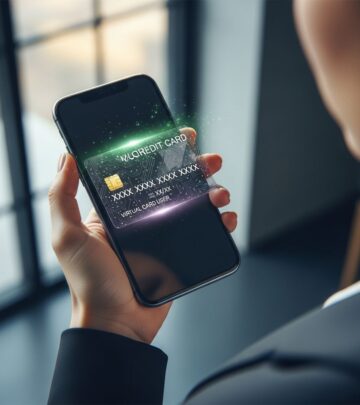
Virtual credit cards represent a modern evolution in payment technology, offering users a powerful tool to protect their financial information during online purchases. These digital counterparts to physical cards generate unique, temporary numbers linked to your primary account, significantly reducing exposure to theft and fraud.
Understanding Virtual Credit Cards
At their core, virtual credit cards function as disposable payment instruments. When you initiate an online transaction, the system creates a distinct card number, expiration date, and security code (CVV) that replaces your actual account details. This process ensures merchants never receive your permanent information, creating a vital barrier against potential breaches.
Unlike traditional cards, virtual versions reside exclusively in digital wallets or issuer apps. Major banks and fintech platforms like those from J.P. Morgan and Stripe enable instant generation, often with one-click functionality. Transactions made via these cards post to your main statement, allowing seamless tracking while isolating risks.
Key Security Mechanisms of Virtual Cards
Virtual credit cards incorporate multiple layers of defense that make them inherently safer for e-commerce. Here’s how they operate to thwart common threats:
- Unique Identifiers: Each card uses a one-of-a-kind number, preventing reuse even if intercepted during transmission.
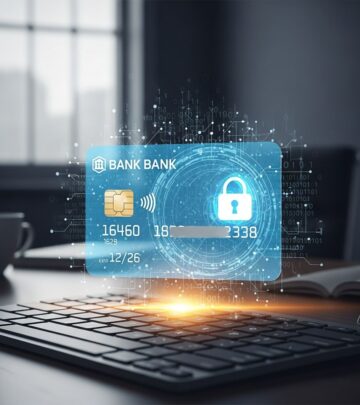
- Tokenization and Encryption: Sensitive data is swapped for secure tokens, and all communications are encrypted, aligning with PCI DSS standards that mandate robust data protection.
- Automatic Expiry: Many default to single-use or short-term validity, rendering stolen numbers obsolete post-transaction.
These features collectively minimize the attack surface. For instance, in data breach scenarios—where merchants like retailers suffer hacks—compromised virtual numbers lead nowhere, as they lack ties to your core account.
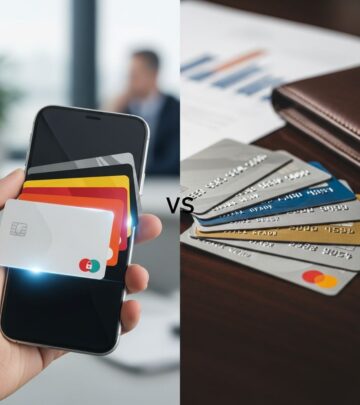
Comparing Virtual and Traditional Credit Cards
To illustrate the differences, consider this breakdown:
| Feature | Virtual Credit Card | Traditional Credit Card |
|---|---|---|
| Number Exposure | Temporary, merchant-specific | Permanent, shared widely |
| Theft Risk | No physical loss possible | Vulnerable to skimming or wallet theft |
| Spending Limits | Customizable per card | Account-wide only |
| Deactivation Speed | Instant via app | Requires call or replacement |
| Breach Impact | Isolated to single card | Potential full account compromise |
This table highlights why virtual cards excel in digital environments. Physical cards remain practical for in-person use, but online, virtual options provide superior safeguards.
Advantages for Everyday Users and Businesses
For individuals, virtual cards simplify secure shopping. Set a $50 limit for a one-time electronics buy, and the card locks after use—no lingering liability. Subscriptions gain dedicated numbers, easing cancellations and tracking.
Businesses benefit profoundly. Finance teams issue vendor-specific cards with exact budgets, curbing overspend. Real-time dashboards flag anomalies, and multi-user access scales without proliferating physical cards. North American fraud surged 70% in 2023, underscoring the need for such controls.
- Proactive fraud detection through transaction alerts.
- Budget enforcement via per-merchant restrictions.
- Simplified expense reconciliation with detailed logs.
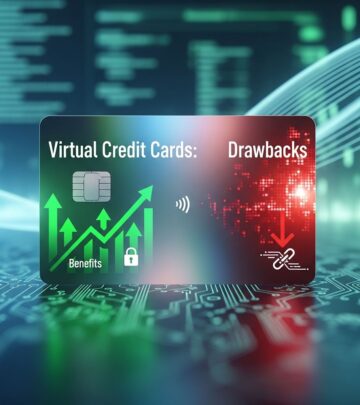
Potential Drawbacks and Limitations
While robust, virtual cards aren’t flawless. Not all issuers offer them—check with providers like Chase or Capital One. Some sites reject virtual numbers, mistaking them for prepaid cards. Acceptance lags in certain regions or with legacy systems.
Over-reliance might foster complacency; always pair with strong passwords and two-factor authentication. Generation fees, though rare for consumers, apply in some corporate setups. Despite these, benefits far outweigh hurdles for most digital transactions.
Implementing Virtual Cards Effectively
Start by reviewing your card issuer’s app or website. Platforms like Apple Pay, Google Wallet, or dedicated services from Ramp integrate virtual generation seamlessly. Steps include:
- Log in to your account dashboard.
- Select ‘Generate Virtual Card’ for a purchase.
- Customize limits, expiry, or merchant lock.
- Copy details for checkout.
- Monitor and deactivate post-use if needed.
For businesses, integrate with treasury systems from J.P. Morgan for automated issuance. Train teams on protocols to maximize utility.
Real-World Impact on Fraud Reduction
Statistics affirm virtual cards’ efficacy. PCI DSS compliance ensures standardized security, while features like instant termination slash fraud windows. U.S. Bank notes virtual fraud occurs far less than with checks, thanks to built-in validations.
In practice, a compromised virtual card affects only its scope—say, a $100 vendor payment—versus potentially thousands in damages from a stolen primary number. This isolation preserves credit health, avoiding prolonged disputes.
Future of Virtual Payments
As e-commerce grows, virtual cards will evolve with AI-driven anomaly detection and biometric locks. Regulatory pushes for tokenization will standardize adoption. Expect broader merchant acceptance and cross-border utility, further entrenching them as payment norms.
Frequently Asked Questions
Are virtual credit cards free to use?
Most consumer issuers provide them at no cost, though business platforms may charge nominal fees for high-volume issuance.
Can I use virtual cards for recurring payments?
Yes, assign a persistent virtual number to subscriptions, with ongoing limits for control.
What if a virtual card is declined?
Verify limits or merchant compatibility; regenerate if needed without impacting your main account.
Do virtual cards build credit?
Yes, activity reports to bureaus like Experian, contributing to your credit history.
Are they available internationally?
Availability varies by issuer, but major networks support global use where Visa/Mastercard is accepted.
References
- Are virtual credit cards safe? How they enhance security — Ramp. 2023. https://ramp.com/blog/are-virtual-credit-cards-safe
- How virtual credit cards enhance security and control — Extend. 2023. https://www.paywithextend.com/resource/how-virtual-credit-cards-enhance-security-and-control
- Electronic credit cards: What they are and how they work — Stripe. 2024. https://stripe.com/resources/more/electronic-credit-cards-101-what-they-are-and-how-they-work
- Virtual Cards Explained: The Ultimate Guide — Corpay. 2024. https://www.corpay.com/resources/blog/virtual-card
- What is a Virtual Credit Card and How Does It Work? — J.P. Morgan. 2023-10-01. https://www.jpmorgan.com/insights/treasury/cards-expense-management/what-is-a-virtual-credit-card-and-how-does-it-work
- Are Virtual Credit Cards Safe? — Experian. 2023. https://www.experian.com/blogs/ask-experian/are-virtual-credit-cards-safe/
- How virtual cards can protect your payments against fraud — U.S. Bank. 2024. https://www.usbank.com/corporate-and-commercial-banking/insights/payments-hub/cards/virtual-account-protection.html
Similar Articles








Read full bio of Sneha Tete