Virtual Credit Cards: Benefits and Drawbacks
Discover how virtual credit cards boost online security and spending control while navigating their limitations for everyday use.
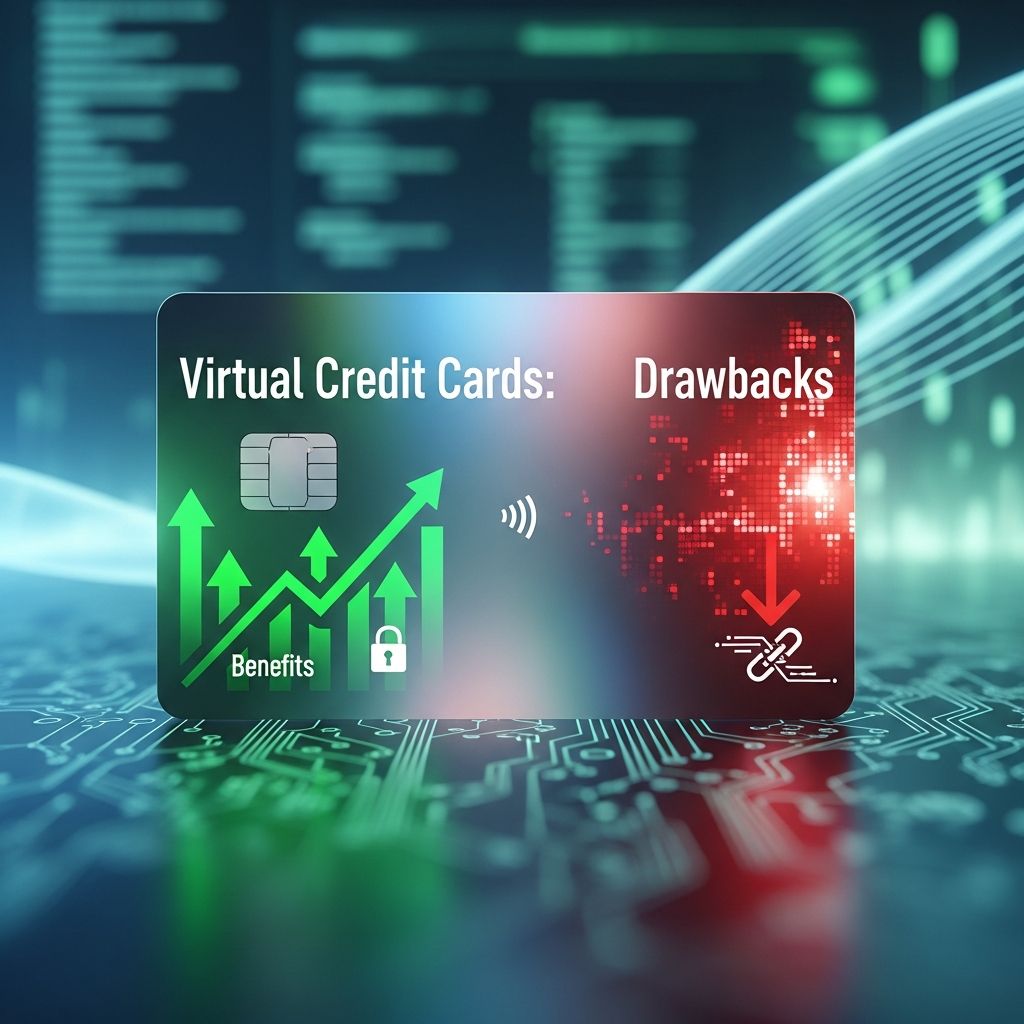
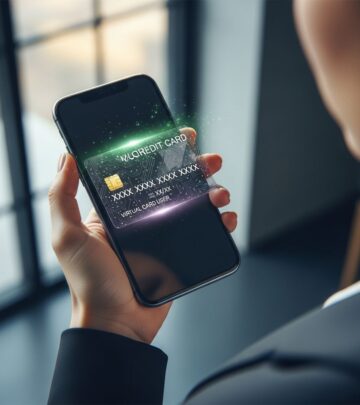
Virtual credit cards represent a modern evolution in digital payments, providing users with temporary, unique card numbers linked to their primary credit accounts. These digital alternatives prioritize security for online transactions while offering tools for better financial oversight.
Understanding Virtual Credit Cards
At their core, virtual credit cards generate distinct 16-digit numbers, security codes, and expiration dates separate from your physical card. This decoupling shields your main account details from potential breaches during e-commerce activities. Issuers often allow customization, such as assigning specific limits or merchant restrictions, making them versatile for both personal and business needs.
Unlike traditional cards, virtual versions activate instantly via apps or online portals, bypassing shipping delays. They integrate seamlessly with digital wallets like Apple Pay or Google Pay, enhancing usability for mobile users.
Key Advantages of Virtual Credit Cards
Virtual cards excel in environments where data security is paramount, particularly online shopping and recurring subscriptions.
Superior Fraud Protection
The primary appeal lies in fraud mitigation. By using disposable numbers, even if intercepted by hackers, the virtual card cannot access your full credit line. Users can lock cards to single transactions or merchants, minimizing unauthorized use risks.
- One-time-use options prevent repeated exploitation.
- Instant cancellation without impacting primary accounts.
- Reduced exposure compared to storing physical card details on vendor sites.
Precision Spending Management
Customizable limits empower users to allocate budgets precisely. Parents can issue teen cards with caps, while businesses distribute employee cards for projects, ensuring expenditures stay within bounds.
Real-time notifications track usage immediately, aiding in pattern analysis and adjustments. This feature proves invaluable for freelancers managing client bills or companies handling vendor payments.
Effortless Accessibility and Integration
Generation happens in seconds through banking apps, ideal for urgent purchases. Compatibility with accounting software like QuickBooks streamlines reconciliation, saving time on manual entries.
Businesses benefit from bulk issuance, scaling operations without logistical hurdles. Rewards programs mirror physical cards, offering cashback on digital spends, amplifying value.
Potential Limitations to Consider
Despite strengths, virtual cards falter in scenarios demanding tangible payment methods.
Incompatibility with Physical Retail
These cards shine online but fail at point-of-sale terminals requiring swipes or inserts. Grocery runs, gas stations, or identity verifications for pickups render them useless.
Hotels and car rentals often mandate physical cards for deposits, sidelining virtual options. This gap frustrates users with hybrid shopping habits.
Challenges for Recurring and Long-Term Use
Short expiration dates disrupt subscriptions, necessitating frequent regenerations. Some platforms struggle with virtual numbers, leading to declined payments or setup issues.
Availability varies; not all issuers provide them, and fees may apply for premium features. Integration glitches with legacy systems add friction for enterprises.
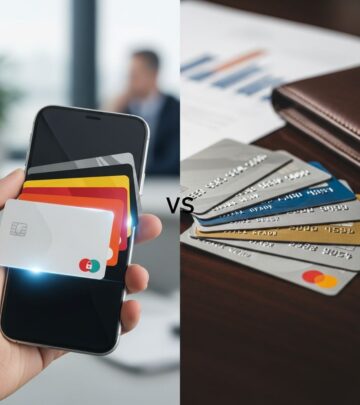
Virtual vs. Physical Cards: A Side-by-Side Comparison
| Feature | Virtual Cards | Physical Cards |
|---|---|---|
| Security | High (unique numbers, limits) | Moderate (shared details) |
| Issuance Time | Instant | Days to weeks |
| Usage | Online/digital wallets | Everywhere |
| Tracking | Real-time, detailed | Statement-based |
| Fraud Response | Quick cancel | Replacement needed |
This table highlights trade-offs: virtual cards prioritize digital efficiency, while physical ones offer ubiquity.
Ideal Scenarios for Virtual Credit Cards
They suit frequent online shoppers, remote workers, and businesses with digital-heavy expenses. Subscription managers benefit from merchant-locking, curbing surprise charges.
For families, delegated spending with safeguards prevents overspending. Small firms gain from expense visibility without paperwork overloads.
Getting Started with Virtual Cards
Check your credit card issuer’s app for virtual number generators—many major banks offer them free. Third-party platforms provide advanced controls for businesses.
- Log into your account portal.
- Navigate to card management.
- Select ‘Generate Virtual Card’ and set parameters.
- Copy details for immediate use.
Monitor via alerts to maintain control. Combine with two-factor authentication for layered defense.
Frequently Asked Questions
Are virtual credit cards safe?
Yes, they enhance safety by isolating transactions from your primary account, with easy revocation if compromised.
Can I earn rewards with virtual cards?
Typically yes, as purchases post to your main account, qualifying for points or cashback.
Do virtual cards work internationally?
Most do, wherever your physical card is accepted online, but confirm issuer policies.
How do I cancel a virtual card?
Through your app or portal—instantly, without affecting other cards.
Are there fees for virtual cards?
Often free from banks, but business providers may charge for high-volume use.
Strategic Tips for Maximizing Benefits
Pair virtual cards with budgeting apps for holistic oversight. Use them exclusively for new vendors to test reliability. Businesses should train teams on protocols to leverage tracking fully.
Review statements monthly to spot patterns, adjusting limits proactively. For travelers, preload trip-specific cards to cap exposures.
The Future of Virtual Credit Cards
As e-commerce surges, virtual cards will evolve with AI-driven fraud detection and broader acceptance. Integration with emerging payment rails promises even faster, safer transactions.
Consumers embracing digital tools stand to gain most, balancing convenience with caution.
References
- Pros and Cons of Virtual Credit Cards — Experian. 2023. https://www.experian.com/blogs/ask-experian/pros-cons-virtual-credit-cards/
- Virtual Credit Card: Benefits and Disadvantages for Business — Aspire. 2024. https://aspireapp.com/hk/blog/virtual-credit-card-benefits-and-disadvantages
- Virtual Cards vs Physical Cards — Bill.com. 2024. https://www.bill.com/learning/virtual-cards-vs-physical-cards
- 10 Pros and Cons of Virtual Cards — Airwallex US. 2024. https://www.airwallex.com/us/blog/virtual-cards-benefits-and-disadvantages
- What is a Virtual Credit Card — J.P. Morgan. 2025-03-01. https://www.jpmorgan.com/insights/treasury/cards-expense-management/what-is-a-virtual-credit-card-and-how-does-it-work
- Virtual credit card: Benefits, risks, and costs — Pliant. 2024. https://www.getpliant.com/en/blog/virtual-credit-card
Similar Articles








Read full bio of medha deb