Virtual Credit Cards: Best Options For 2025
Discover how virtual credit cards enhance security, control spending, and simplify online purchases while saving you money on everyday transactions.

Virtual credit cards are digital versions of traditional credit cards, generated through apps or bank portals for secure online transactions. They provide temporary card numbers linked to your real account, shielding your actual details from hackers and merchants.
Unlike physical cards,
virtual credit cards
expire quickly, set spending limits, or restrict use to specific vendors, making them ideal for e-commerce in an era of rising cyber threats. With data breaches costing consumers billions annually, these tools help you save by preventing fraud losses.What Is a Virtual Credit Card?
A
virtual credit card
(VCC) generates unique, temporary card details for online purchases, drawn from your primary credit card or account. Entered like any card number, it masks your real information while authorizing charges normally.Key features include:
- Temporary numbers that expire after use or a set period
- Custom spending caps per transaction or merchant
- One-time or merchant-locked options for maximum security
- Instant generation via mobile apps or websites
Banks like Capital One, Citi, and fintechs such as Privacy.com offer them. They integrate with Apple Pay or Google Pay for seamless use.
Benefits of Virtual Credit Cards
**Virtual credit cards** excel in security, control, and convenience, helping users avoid fraud while earning rewards on safe purchases.
1. Enhanced Security and Fraud Protection
The top advantage is fraud prevention. Virtual numbers aren’t tied to your physical card, so breaches expose disposable details only. If compromised, simply delete the card—no risk to your main account.
Providers add layers like real-time alerts, auto-locking after use, and vendor restrictions. Businesses benefit from advanced protections, reducing chargebacks.
2. Better Spending Control
Set exact limits—like $50 for a subscription—to prevent overspending. Parents use them for teens; businesses issue employee cards with caps.
Track every transaction via dashboards, categorizing expenses instantly. This transparency aids budgeting far beyond monthly statements.
3. Convenience for Online Shopping
Generate cards in seconds without physical cards. Autofill support speeds checkouts; integrate with digital wallets for contactless payments.
Perfect for subscriptions, trials, or one-off buys where sharing real details feels risky.
4. Rewards and Cash Back
Many earn the same rewards as physical cards—cash back, points—on online spends. Businesses get rebates on vendors, boosting savings.
Disadvantages of Virtual Credit Cards
While powerful,
virtual credit cards
have limits, especially offline.1. Limited for In-Person Purchases
Can’t swipe or insert VCCs; reliant on digital wallets, which not all stores support. Hotels, rentals often demand physical cards at check-in.
2. Issues with Recurring Payments
Temporary numbers expire, disrupting subscriptions. Failed bills trigger fees or service cuts.
3. Tech Dependence and Fees
Need internet/devices; outages halt use. Some charge issuance/transaction fees, though rewards often offset.
4. Not Universally Available
Newer tech; not all issuers offer. Merchant rejection or integration glitches occur.
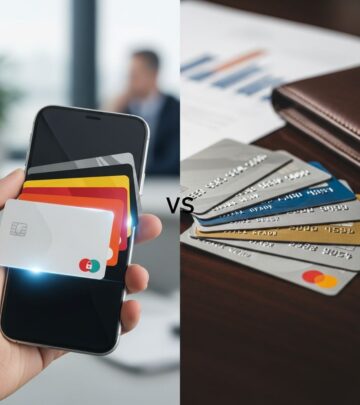
Virtual Credit Cards vs. Physical Credit Cards
Compare to choose wisely:
| Feature | Virtual Cards | Physical Cards |
|---|---|---|
| Format | Digital-only | Plastic card |
| Primary Use | Online, subscriptions | In-store, travel, ATM |
| Security | High (temporary, limits) | Moderate (risk of loss/theft) |
| Setup Speed | Instant | Shipping required |
| Spend Controls | Customizable per card | Account-wide or manual |
| Acceptance | Online-focused | Universal |
Virtual wins digitally; physical for versatility.
Best Virtual Credit Card Options
Top providers:
- Capital One Eno: Free, unlimited cards, merchant-locking. Browser extension autofills.
- Citi Virtual Account Numbers: App-generated, spending limits. Strong for Citi holders.
- Privacy.com: Debit-based VCCs linked to bank. Free tier; paid for teams.
- Abine Blur: Privacy-focused, masks all cards.
- Business Tools: Ramp, Brex for teams with controls.
Select based on your bank and needs.
How to Get a Virtual Credit Card
Steps:
- Check if your issuer (e.g., Capital One) supports VCCs.
- Download app or visit portal; verify identity.
- Generate card: set limit, expiration, merchant.
- Copy details for checkout.
- Monitor via app; delete post-use.
Non-cardholders use services like Privacy.com by linking bank accounts.
When Should You Use a Virtual Credit Card?
- New merchants or suspicious sites
- Free trials to avoid charges
- Sharing with family/employees
- High-value online buys
- Business vendor payments
Avoid for recurrences or physical-required scenarios.
Frequently Asked Questions
Are virtual credit cards safe?
Yes, safer than physical for online use due to temporary numbers and controls.
Do virtual credit cards build credit?
They do if linked to a credit account, as charges report normally.
Can anyone get a virtual credit card?
Most with eligible accounts; alternatives like Privacy.com for debit users.
Are there fees for virtual cards?
Often free from banks; check providers for transaction costs.
Virtual vs. prepaid cards?
VCCs link to credit lines for rewards; prepaids load fixed funds.
References
- Virtual Credit Card: Benefits and Disadvantages for Business — Aspire. 2024. https://aspireapp.com/hk/blog/virtual-credit-card-benefits-and-disadvantages
- Pros and Cons of Virtual Credit Cards — Experian. 2023-10-12. https://www.experian.com/blogs/ask-experian/pros-cons-virtual-credit-cards/
- Virtual Cards vs Physical Cards — Bill.com. 2024. https://www.bill.com/learning/virtual-cards-vs-physical-cards
- Virtual Card vs. Physical Card: Pros & Cons — Order.co. 2024. https://www.order.co/blog/purchasing-process/virtual-card-vs-physical-card/
- Are virtual credit cards safe? — Ramp. 2024-05-15. https://ramp.com/blog/are-virtual-credit-cards-safe
- Physical vs. Virtual Corporate Cards: Pros & Cons — Float Financial. 2024. https://floatfinancial.com/blog/physical-vs-virtual-corporate-cards/
Similar Articles








Read full bio of Sneha Tete