Virtual Credit Card Numbers: Security & Smart Payments
Master virtual credit card numbers: enhance security, control spending, and shop safely online.

What Is a Virtual Credit Card Number?
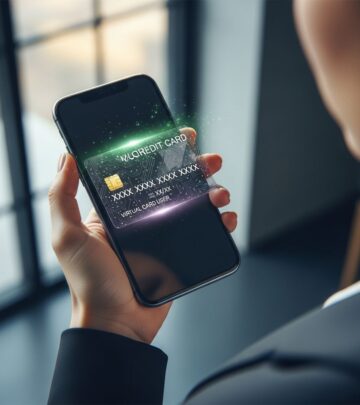
A virtual credit card number is a digital-only payment credential that functions as a substitute for your actual physical credit card. Unlike traditional credit cards made of plastic, virtual card numbers exist entirely online and consist of a 16-digit number, an expiration date, and a CVV security code. These numbers are generated through your credit card issuer’s platform or specialized virtual card services and are designed to mask your real card details from merchants during online transactions.
Virtual credit card numbers serve as a proxy between you and merchants, allowing you to make purchases without exposing your primary financial information. When you use a virtual card number for an online purchase, the merchant receives only the temporary virtual number rather than your actual credit card number, significantly reducing the risk of identity theft and fraud if their database is compromised. This fundamental separation between the transaction mechanism and your actual funding source creates multiple layers of security protection.
How Virtual Credit Card Numbers Work
Understanding the mechanics of virtual credit cards helps you appreciate their security advantages. When you decide to make an online purchase, instead of entering your physical card number, you generate a unique virtual card number through your issuer’s app, browser extension, or website. This newly created number is temporarily linked to your actual credit card account but functions independently for that specific transaction or period.
The virtual number processes the payment just like any standard credit card number would. Your card issuer routes the transaction to your primary account, and the charge appears on your regular credit card statement. However, the merchant only sees the virtual number, not your actual card details. Once you complete the purchase or reach the expiration date you’ve set, the virtual number becomes inactive and cannot be reused elsewhere, even if a cybercriminal obtains it.
Many virtual card services allow you to set specific parameters before generating a number, such as spending limits, merchant categories, and expiration dates. This level of customization means you maintain complete control over each transaction. If you’re concerned about a particular merchant, you can set a spending limit that matches only that purchase amount, preventing unauthorized charges even if the card number is compromised.
Key Differences: Virtual Cards vs. Digital Wallets
While virtual cards and digital wallets are both digital payment solutions, they serve different purposes and operate in distinct ways. Understanding these differences helps you choose the right payment method for your needs.
| Feature | Virtual Credit Card | Digital Wallet |
|---|---|---|
| Form Factor | A unique card number itself | An app that stores card representations |
| Number Generation | Generates new, unique numbers different from physical card | Typically tokenizes existing card; may hold virtual numbers |
| Primary Purpose | Security through number masking and disposability | Convenient contactless payments |
| Transaction Types | Secure online, phone, subscription payments; B2B transactions | In-person contactless, online checkout |
| Spending Control | Highly customizable limits and parameters | Limited control; follows original card terms |
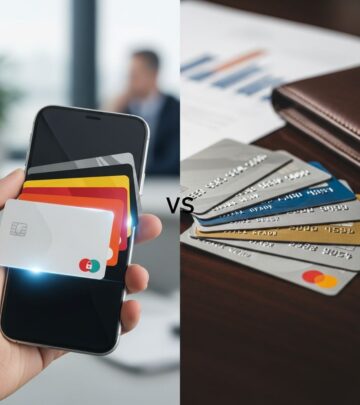
Digital wallets like Google Pay and Apple Pay primarily focus on convenient, quick payments through mobile devices. They tokenize your existing card information, meaning they create a secure representation of your card rather than generating entirely new card numbers. Virtual cards, by contrast, create genuinely unique numbers that are fundamentally separate from your physical card number, providing superior fraud protection.
Primary Benefits of Virtual Credit Card Numbers
Enhanced Security
The most significant advantage of virtual credit card numbers is the security protection they provide. By masking your actual credit card number, virtual cards substantially reduce your risk of experiencing fraud if a merchant’s website or database is compromised. When hackers breach a retailer’s systems and steal customer payment data, they obtain only the virtual card numbers, which are worthless outside the specific parameters set for that transaction.
Creating unique virtual numbers for different merchants or purchase categories further amplifies this protection. If one merchant experiences a data breach, that particular virtual number is compromised, but your other virtual numbers remain secure and cannot be used fraudulently elsewhere. This compartmentalization approach severely limits the damage from any single breach.
Increased Control and Spending Limits
Virtual card services empower you to set precise spending limits and expiration dates for each card number. You can create a virtual card specifically for a monthly subscription service with a spending limit matching exactly what you’re authorized to pay, preventing unexpected overcharges. This granular control helps you manage your personal budget more effectively and significantly limits potential losses if fraud does occur.
For recurring charges like streaming services or software subscriptions, you can set virtual cards to expire after a specific date or number of uses. This ensures merchants cannot continue charging after your subscription ends without your explicit approval.
Instant Issuance
One of the most compelling features is the ability to generate a virtual card number instantly, anytime and anywhere you need one. There’s no waiting for a physical card to arrive in the mail—a process that typically takes 7-10 business days. This instant issuance is particularly valuable for new account holders who want to start shopping immediately after approval or for those whose physical cards have been lost, stolen, or damaged.
Convenience
Virtual cards eliminate the need to have your physical card present to make online purchases. You can access your virtual card numbers through your credit card issuer’s mobile app, browser extensions, or website from any device, anywhere in the world. Some providers even offer automatic virtual card number generation and autofill at checkout, streamlining your shopping experience while maintaining security.
Use Cases for Personal Finance
Securing Your Online Shopping
The most straightforward and common use case for personal virtual cards is enhancing security during everyday online shopping. By generating a unique virtual card number for each transaction or for specific online stores, you can shop without exposing your primary credit or debit card details to potentially countless merchants. This approach significantly reduces the risk of your financial information being compromised through data breaches.
Managing Subscription Services
Subscription services represent a particular fraud risk because merchants retain your card information for recurring charges. Using a dedicated virtual card for each subscription service with a spending limit matching the subscription amount provides protection against unauthorized charges. If you want to cancel a subscription, you can simply deactivate that specific virtual card number, preventing the merchant from charging you in the future.
Protecting Personal Information
Virtual cards reduce the need to share your primary financial details with multiple merchants, minimizing exposure of your personally identifiable information (PII) across the internet. Each merchant receives only the unique virtual number, not your name, address, or primary account details.
Business Applications of Virtual Credit Cards
While individual consumers benefit significantly from virtual cards, businesses derive even greater advantages from implementing virtual card programs across their organizations. Virtual cards enable companies to maintain better oversight of corporate spending while providing employees and contractors with convenient payment methods.
Expense Management and Travel
Companies can issue virtual cards to employees for business travel and expenses, eliminating the need for cash advances or personal card reimbursement processes. Each employee receives a virtual card with a spending limit appropriate for their trip, and all expenses are automatically tracked and categorized. This streamlines the reimbursement process and reduces accounting overhead.
Procurement and Vendor Payments
Virtual cards simplify the procurement process by allowing companies to create unique numbers for payments to different suppliers and vendors. Rather than exposing the company’s primary business account to numerous external vendors, each supplier receives only their unique virtual card number. This approach significantly reduces the risk of accounts payable fraud and unauthorized access to the company’s main banking systems.
Budget Control and Departmental Tracking
Organizations can enforce corporate spending policies by setting spending limits, categories, and approval workflows for departmental or project-specific virtual cards. This provides extremely granular control over how funds are spent, ensuring compliance with company policies and enabling precise budget tracking at the departmental level.
Comparison: Virtual Card Benefits Personal vs. Business
| Benefit Category | Personal Use | Business Use |
|---|---|---|
| Fraud Protection | High: Protects primary card from online fraud and data breaches during shopping and subscriptions | High: Protects corporate accounts, reduces accounts payable fraud, secures employee travel and procurement |
| PII Protection | Moderate: Reduces sharing of personal information with multiple merchants | Moderate: Masks primary corporate account details from numerous suppliers |
| Spending Control | High: Set limits for specific purchases, prevent overcharges, manage personal budgets | Very High: Enforce corporate spending policies, manage departmental budgets, control supplier payments |
| Convenience | High: Instant card generation, shop online without physical card, easy mobile app management | High: Instant employee issuance, streamlined online procurement, mobile access for travel expenses |
How to Get and Use Virtual Credit Card Numbers
Getting Started
To access virtual credit card numbers, you first need to have a credit card account with an issuer that offers this service. Major credit card companies including Capital One, Discover, and others provide virtual card services to their customers. Once approved for a credit card account, you can typically generate virtual numbers immediately through the issuer’s mobile app, website, or browser extension.
Generating Your Virtual Number
The process is straightforward: open your card issuer’s app or website, navigate to the virtual card section, and click “Generate New Card” or similar option. The system typically generates your 16-digit number, expiration date, and CVV instantly. Many services allow you to set parameters during generation, such as spending limits, merchant categories, and active duration before customizing your virtual number.
Using Your Virtual Card
Simply copy the generated virtual card details and paste them into the online checkout form, vendor payment portal, or anywhere you’d normally enter credit card information. Some advanced services, like browser extensions offered by Capital One, can automatically fill in your virtual card details at checkout, further streamlining the process. All charges made with a virtual card appear on your regular credit card statement, and you continue earning the same rewards or cash back as with your physical card.
Frequently Asked Questions
Q: Are virtual credit card numbers safe to use online?
A: Yes, virtual credit card numbers are significantly safer than using your physical card number online. Because each virtual number is unique and temporary, even if a merchant’s database is breached, the stolen number cannot be used elsewhere or for unauthorized transactions beyond the spending limits you’ve set.
Q: Can I use a virtual card number for in-person purchases?
A: Virtual card numbers are primarily designed for online transactions. However, some digital wallet services can store virtual card numbers and facilitate in-person contactless payments through mobile payment platforms that support mobile wallets.
Q: What happens if I need to cancel a virtual card number?
A: You can deactivate a virtual card number instantly through your card issuer’s app or website. Deactivating a specific virtual number does not affect your main credit card account or other active virtual card numbers.
Q: Do I earn rewards on virtual card purchases?
A: Yes, when you use a virtual card number linked to a rewards or cash back credit card account, you continue earning the same rewards or cash back as you would with your physical card.
Q: Can virtual cards help with budget management?
A: Absolutely. Virtual cards allow you to set specific spending limits for different purchases or subscriptions, enabling better personal budget management and preventing unexpected overcharges.
Q: How do virtual cards protect against subscription fraud?
A: By using a dedicated virtual card for each subscription with a spending limit matching exactly what you authorize, you prevent unauthorized increases in charges. If you cancel your subscription, you can deactivate that specific virtual card number to ensure the merchant cannot continue charging you.
References
- Virtual Cards Explained: The Ultimate Guide to Safer, Smarter Payments — Corpay. November 2025. https://www.corpay.com/resources/blog/virtual-card
- What is a virtual card number and how can you get one? — Stripe. 2024. https://stripe.com/resources/more/what-is-a-virtual-card-number-and-how-can-you-get-one
- What Is a Virtual Credit Card Number? — Capital One. 2024. https://www.capitalone.com/learn-grow/money-management/what-are-virtual-card-numbers/
- How virtual cards can simplify commercial payments — Mastercard. 2024. https://www.mastercard.com/us/en/news-and-trends/Insights/2024/virtual-cards-101-simplifying-commercial-payments.html
- What is a Virtual Credit Card and How Does It Work? — J.P. Morgan. 2024. https://www.jpmorgan.com/insights/treasury/cards-expense-management/what-is-a-virtual-credit-card-and-how-does-it-work
Similar Articles








Read full bio of medha deb