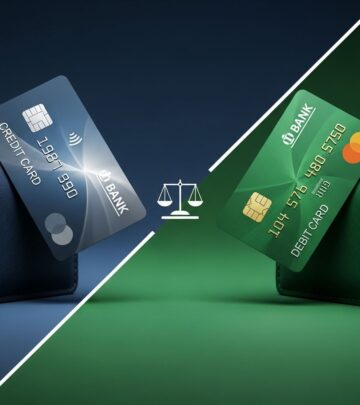
Virtual Cards vs Physical Cards: Best Choice?
Discover the strengths of virtual and physical cards to optimize security, convenience, and spending control in your daily transactions.
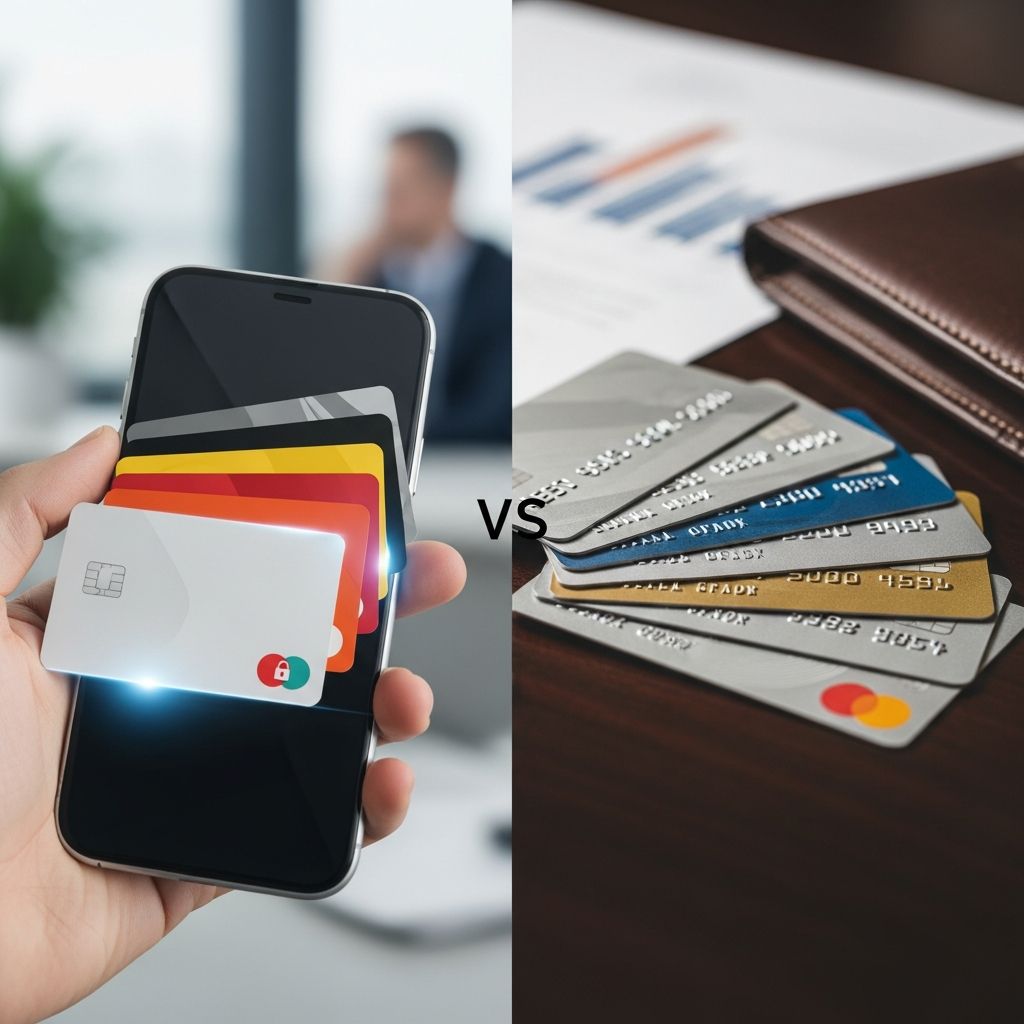
Virtual cards and physical cards each serve distinct roles in modern payments, with virtual options excelling in digital security and speed, while physical ones dominate in-person scenarios. The optimal choice depends on transaction type, security needs, and user preferences, often favoring a hybrid approach.
Defining Digital and Traditional Payment Tools
Virtual cards consist of digitally generated numbers, CVVs, and expiration dates linked to a primary account, enabling immediate online use without a tangible form. Physical cards, by contrast, are plastic with chips and magnetic stripes designed for both online and in-store swipes or taps.
This distinction shapes their applications: virtual cards prioritize remote transactions, while physical cards offer versatility across environments. Businesses and individuals increasingly adopt both to cover diverse spending patterns.
Core Advantages of Virtual Payment Solutions
Virtual cards shine in speed and protection. Issuance happens instantly via apps or platforms, bypassing manufacturing delays. Users set merchant-specific limits, expiration dates, or spending caps, curbing overspending and fraud.
Security features mask real account details, using temporary numbers that reduce breach risks during e-commerce. Real-time tracking provides granular data like timestamps and vendor info, streamlining expense reconciliation for businesses.
- Instant activation for urgent online buys
- Custom controls like single-use options
- Lower theft risk since no physical item exists
- Seamless integration with digital wallets for contactless pay
Strengths of Traditional Plastic Cards
Physical cards remain essential for scenarios demanding tangible presence, such as retail checkouts, ATMs, or reservations requiring card presentation. They integrate universally with EMV chips encrypting data at point-of-sale terminals.
Familiarity reassures users, especially for cash withdrawals or travel where digital alternatives falter. Freezing or canceling occurs quickly via apps, mitigating loss.
- Broad acceptance at physical locations
- Support for cash access and in-person verification
- Contactless taps via NFC for speed
- Established trust in everyday scenarios
Feature Comparison Table
| Aspect | Virtual Cards | Physical Cards |
|---|---|---|
| Issuance Time | Instant digital generation | Days for production and delivery |
| Primary Use | Online, app-based, wallets | In-person, online, ATMs |
| Security | Temporary numbers, limits | Chip encryption, freeze options |
| Control Features | Merchant locks, caps | Account-level restrictions |
| Fraud Risk | Low for digital theft | Higher if lost/stolen |
Security Deep Dive: Protecting Your Funds
Virtual cards lead in fraud prevention by generating unique identifiers per transaction or merchant, preventing widespread compromise if one leaks. Programmable restrictions block unauthorized categories, unlike static physical numbers.
Physical cards counter with EMV technology, generating dynamic codes per tap or insert, thwarting skimmers. However, physical loss exposes them to cloning until reported. Hybrid strategies—pairing virtual for online with physical for stores—maximize safeguards.
When Virtual Cards Excel
Opt for virtual in e-commerce, subscriptions, or business procurements. Their metadata tagging automates accounting, vital for high-volume operations. Travel bookings benefit from temporary numbers, avoiding hotel or rental disputes.
For teams, admins issue disposable cards per project, enforcing budgets instantly. Consumer perks include autofill for faster checkouts at favored sites.
Scenarios Favoring Physical Cards
Use physical for groceries, gas, or events needing ID-card matches. International travel demands them for unfamiliar POS systems or currency exchanges.
Digital wallet additions extend virtual-like convenience to physical cards, blending benefits. Yet, reservations often mandate physical presentation.
Business Applications and Efficiency Gains
Enterprises leverage virtual cards for vendor payments, auto-categorizing spends to cut manual reconciliation by hours. Platforms like Airwallex unify issuance, tracking both types centrally.
Physical cards suit field teams requiring reliable in-person tools. Combined, they enable scalable spend management without choice trade-offs.
Overcoming Limitations of Each Type
Virtual cards struggle offline without wallet support; physical ones lag in issuance and online anonymity. Solutions include multi-card portfolios: virtual for risk, physical for reliability.
Evolving tech bridges gaps—contactless virtual via Apple Pay works nearly everywhere physical does. Issuers expand physical to same-day delivery in select markets.
Adopting a Dual-Card Strategy
No single winner exists; integrate both for comprehensive coverage. Start with primary physical, supplement virtual for high-risk digital spends. Monitor via unified apps for holistic oversight.
Financial institutions increasingly offer seamless switching, empowering users. This flexibility adapts to lifestyle shifts like rising online shopping.
Frequently Asked Questions
Can virtual cards replace physical ones entirely?
No, virtual cards suit online but falter for in-person needs like ATMs or reservations.
Are virtual cards safer than physical?
Yes for online, due to temporary details and controls; physical match offline with chips.
How quickly can I get a virtual card?
Instantly through apps or issuers.
Do physical cards work online?
Yes, but lack virtual’s anonymity and limits.
Best for business: virtual or physical?
Virtual for control and tracking; physical for teams; both ideally.
Future Trends in Payment Innovations
Virtual adoption surges with API-driven issuance and AI fraud detection. Physical evolves via biometrics and thinner designs. Expect unified platforms dominating, per industry shifts.
References
- Virtual Card vs. Physical Cards: Which Comes Out on Top? — Airwallex. 2023. https://www.airwallex.com/us/blog/virtual-cards-vs-physical-cards
- Virtual Credit Cards vs. Physical Credit Cards: Which is Right for Your Business — Extend. 2023. https://www.paywithextend.com/resource/virtual-credit-cards-vs-physical-credit-cards-which-is-right-for-your-business
- What’s the Difference Between Virtual Cards & Physical Cards? — Juniper Research. 2024. https://www.juniperresearch.com/resources/infographics/virtual-cards-vs-physical-cards-how-do-they-differ/
- Digital Wallets vs. Physical Credit Cards: Which Is Best? — Ramp. 2023. https://ramp.com/blog/digital-wallets-vs-credit-cards
- Virtual vs Physical Cards — Zenus Bank. 2023. https://zenus.com/en/group/blog/virtual-vs-physical-cards/
- Virtual cards vs. physical credit cards: Which to use? — Capital One. 2024. https://www.capitalone.com/learn-grow/money-management/virtual-credit-cards-vs-credit-cards/
- Virtual vs. Physical Card: What’s Better? — Experian. 2024. https://www.experian.com/blogs/ask-experian/virtual-vs-physical-card-whats-better/
Similar Articles








Read full bio of Sneha Tete