Virtual Card Numbers: Ultimate Fraud Shield
Discover how virtual card numbers safeguard your finances by masking real details, setting limits, and enabling instant deactivation for secure online shopping.

Virtual card numbers represent a revolutionary advancement in digital payment security, offering users a way to shop online without exposing their actual credit card details. These digital equivalents generate unique identifiers tied to your primary account, drastically reducing the chances of fraud if information is compromised.
Understanding Virtual Card Numbers
At their core, virtual card numbers are temporary or limited-use digits that function just like real credit card numbers but serve as proxies. When you initiate an online purchase, instead of entering your genuine 16-digit number, expiration date, and CVV, you use a generated virtual version. This shields your primary account from potential theft during transactions.
Banks and card issuers create these through secure apps or online portals, often allowing instant generation. They mirror the spending power of your main card but with customizable restrictions, making them ideal for e-commerce, subscriptions, and one-time buys.
Key Advantages for Everyday Users
- Enhanced Privacy: Merchants only receive the virtual details, keeping your real information hidden from countless vendors.
- Customizable Controls: Set spending caps, expiration times, or merchant-specific allowances to prevent overspending or misuse.
- Subscription Management: Assign dedicated virtual cards to recurring services; delete them effortlessly to cancel without merchant contact.
- Business Efficiency: Companies issue virtual cards per vendor or employee, streamlining expense tracking and approvals.
How They Fortify Security Against Common Threats
Online fraud, including card-not-present scams, costs billions annually—projected to surpass $362 billion globally from 2023-2028. Virtual cards counter this by employing data masking: a randomly generated number replaces your real one, rendering intercepted data useless beyond its limits.
In data breaches, hackers accessing a retailer’s database find only disposable virtual numbers, not linked to your full account. This containment prevents widespread damage, unlike traditional cards where a single leak exposes everything.
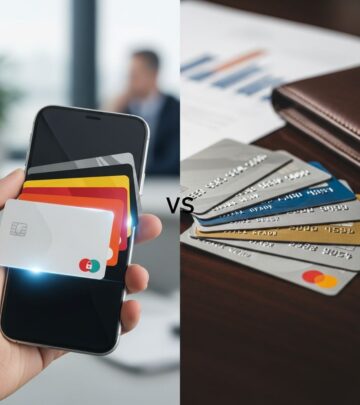
| Feature | Virtual Cards | Physical Cards |
|---|---|---|
| Data Exposure | Minimal; unique per use | High; reused across merchants |
| Fraud Containment | Instant deactivation | Full card replacement needed |
| Spending Limits | Customizable per card | Account-wide only |
| Merchant Lock | Possible restrictions | None inherent |
This comparison highlights why virtual options outperform physical ones in digital environments.
Mechanisms Behind the Protection
Virtual cards leverage several layers: first, tokenization, where a secure token substitutes sensitive data, compliant with PCI DSS standards that mandate encrypted handling. Second, dynamic generation ensures each is distinct, often single-use or time-bound. Third, real-time monitoring flags anomalies, allowing users to lock cards remotely.
For instance, set a virtual card for $50 at a specific store expiring in 24 hours. Any excess attempt or post-expiration use fails automatically, notifying you instantly.
Real-World Applications Across Scenarios
Personal Online Shopping
For casual buyers, virtual numbers mitigate risks on unfamiliar sites. Generate one per purchase to avoid persistent exposure, especially during holiday rushes when breaches spike.
Recurring Payments and Subscriptions
Tired of forgotten Netflix charges? Link a virtual card with a monthly limit; pause or delete it anytime without disrupting your main account.
Business and Travel Expenses
Professionals benefit from vendor-locked virtual cards, preventing unauthorized use. Travelers can create location-specific ones for hotels or rentals, enhancing control.
Potential Drawbacks and Solutions
While robust, virtual cards aren’t flawless. Some merchants reject them, mistaking for prepaid cards; acceptance grows yearly. Availability depends on your issuer—check if yours supports via app.
Management requires diligence: track active virtual cards to avoid forgotten limits. Most apps centralize this with dashboards for easy oversight.
- Not all cards offer free virtual numbers; fees may apply for premium features.
- Debit virtuals exist but lack credit protections like zero-liability fraud coverage.
Step-by-Step Guide to Implementation
- Verify Provider Support: Log into your bank’s app; look for ‘virtual card’ or ‘digital wallet’ options.
- Generate a Card: Select amount, expiry, and merchant if desired.
- Use Securely: Copy details for checkout; avoid screenshots.
- Monitor and Deactivate: Review transactions post-purchase; delete used cards.
- Integrate with Wallets: Add to Apple Pay or Google Pay for contactless use.
Comparing Providers: Who Offers the Best?
Major issuers like Capital One, Chase, and Citi provide varying features. Capital One’s Eno generates on-demand; business platforms like Ramp offer advanced analytics.
Future of Virtual Payments
As e-commerce booms, virtual cards evolve with AI-driven fraud detection and biometric locks. Expect broader adoption, potentially standardizing as primary online tools.
Frequently Asked Questions
Are virtual cards safer than physical ones?
Yes, they mask real details, limit damage, and enable quick shutdowns, outperforming reusability risks of physical cards.
Can anyone get a virtual card?
Most credit cardholders from supporting banks; debit options are emerging but less common.
Do virtual cards work everywhere?
High acceptance online; some physical POS via digital wallets. Test with small amounts.
What if a virtual card is stolen?
Deactivate instantly—limits contain losses, unlike full account exposure.
Are there costs involved?
Often free with premium cards; businesses may pay for volume features.
References
- Online Shopping Smart: Why Virtual Card Numbers Are Your Security Secret Weapon — Total Defense. 2023. https://www.totaldefense.com/security-blog/online-shopping-smart-why-virtual-card-numbers-are-your-security-secret-weapon/
- How Virtual Credit Cards Enhance Security and Control — Extend. 2024. https://www.paywithextend.com/resource/how-virtual-credit-cards-enhance-security-and-control
- Are Virtual Cards Safe? Benefits, Risks, and Best Practices — Order.co. 2024-10-01. https://www.order.co/blog/finance/are-virtual-cards-safe/
- The Benefits of Virtual Cards for Online Transaction Security — ePaySpace. 2023. https://epayspace.com/en/blog-en/the-benefits-of-virtual-cards-for-online-transaction-security/
- Are Virtual Credit Cards Safe? How They Enhance Security — Ramp. 2024. https://ramp.com/blog/are-virtual-credit-cards-safe
- Are Virtual Credit Cards Safe? — Experian. 2024. https://www.experian.com/blogs/ask-experian/are-virtual-credit-cards-safe/
- What is a Virtual Credit Card and How Does It Work? — J.P. Morgan. 2024. https://www.jpmorgan.com/insights/treasury/cards-expense-management/what-is-a-virtual-credit-card-and-how-does-it-work
Similar Articles








Read full bio of medha deb