Vertical Integration: Definition, Types, and Examples
Master vertical integration: control your supply chain from raw materials to retail sales.
What Is Vertical Integration?
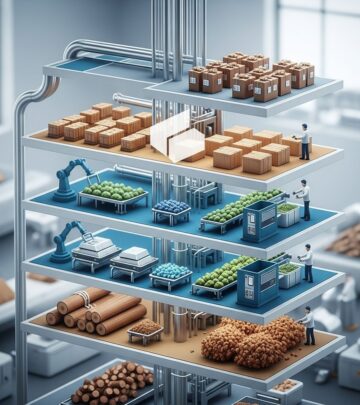
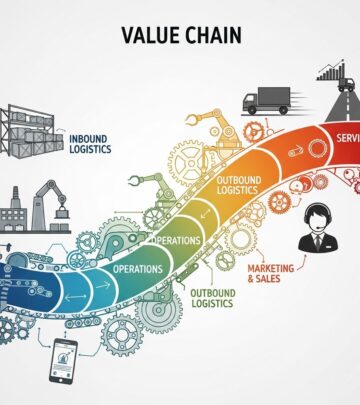
Vertical integration is a business strategy where a company takes ownership of two or more stages within its supply chain, rather than relying on external partners or third-party vendors. This approach involves bringing previously outsourced operations in-house, allowing a company to control various stages of production, distribution, and retail operations. The primary goal is to minimize reliance on external companies, reduce costs, and provide greater flexibility in responding to customer demands and market trends.
In essence, vertical integration represents a company’s decision to expand its operations beyond its core business into adjacent stages of the supply chain. Instead of purchasing materials from suppliers and then selling finished products through distributors and retailers, a vertically integrated company manages multiple links in this chain independently. This strategic move can significantly impact a company’s operational efficiency, profitability, and competitive positioning in the marketplace.
How Vertical Integration Works
To understand how vertical integration operates in practice, consider a typical scenario. A retail fashion brand might currently handle design and marketing while outsourcing fabric manufacturing, garment assembly, and distribution to external partners. To achieve full vertical integration, the company would cease outsourcing these functions and instead establish direct ownership over all stages—from raw material sourcing through final customer delivery.
The implementation process typically involves several key steps:
Evaluation and Planning
The first stage requires identifying which stages of the supply chain to control. The company must assess whether it makes economic sense to acquire existing partners or establish new internal operations. For instance, a fashion retailer might decide to purchase the logistics company they already work with rather than building a distribution network from scratch.
Integration and Streamlining
Once a company controls additional supply chain stages, it must integrate these operations into existing business processes. This integration includes aligning operational practices, consolidating IT systems, and ensuring seamless communication across departments. The goal is to eliminate inefficiencies and maintain or improve product quality while reducing overall costs.
Types of Vertical Integration
Vertical integration manifests in three primary forms, each representing a different direction along the supply chain:
Backward Integration
Backward integration occurs when a company moves upstream within its supply chain, taking control of operations that typically precede its current business activities. This involves acquiring suppliers or establishing in-house production of raw materials and components. For example, a clothing retailer sourcing materials and having garments assembled in Vietnam could adopt backward integration by halting those outsourced operations and bringing sourcing and assembly in-house. Similarly, oil companies like Shell Oil demonstrate backward integration by owning oil wells, refineries, and retail gasoline stations throughout their entire supply chain.
Forward Integration
Forward integration represents the opposite direction, moving downstream toward the final customer. In this model, a company takes ownership of distribution channels and retail operations to gain greater control over how consumers access their products. Amazon’s acquisition of Whole Foods exemplifies forward integration, as it extended Amazon’s reach into physical retail space while integrating its e-commerce logistics capabilities with brick-and-mortar stores. Similarly, a small jewelry maker selling through third-party platforms like Etsy or Amazon could adopt forward integration by establishing their own retail channels and capturing the profits previously shared with marketplace platforms.
Balanced Integration
Balanced integration combines both backward and forward integration strategies, with a company controlling the complete supply chain from raw material sourcing through final retail sales. A mid-sized coffee company exemplifies this approach by sourcing coffee beans directly from owned or partnered farms (backward integration) while simultaneously developing its own chain of coffee shops to sell directly to consumers (forward integration). Apple represents perhaps the most comprehensive example of balanced integration, designing its own hardware and software, manufacturing key components, and selling through its own retail stores.
Real-World Examples of Vertical Integration
Apple: Balanced Vertical Integration
Apple stands as one of the most prominent examples of balanced vertical integration. The company designs its own hardware and software, manufactures key components internally, and sells products through its own retail stores worldwide. This comprehensive control over the entire supply chain ensures a seamless customer experience and allows Apple to maintain strict quality standards while protecting its intellectual property. Previously outsourcing component manufacturing, Apple now produces most components in-house, enabling the company to offer unique products that are difficult to counterfeit while maintaining client loyalty through consistent quality.
Amazon and Whole Foods: Forward Integration
Amazon’s acquisition of Whole Foods exemplifies forward vertical integration. By purchasing the grocery chain, Amazon extended its reach into the physical retail space, integrating its extensive e-commerce logistics capabilities with Whole Foods’ brick-and-mortar locations. This strategic move created a seamless online-to-offline shopping experience for customers and significantly enhanced Amazon’s distribution capabilities. Additionally, Amazon has created its own product line, including the Amazon Echo, demonstrating how it leverages its vertically integrated structure to develop proprietary products.
Zara: Backward Integration
Zara exemplifies backward vertical integration within the fashion industry. The company owns a large portion of its production process and operates its own manufacturing plants in Spain. This control over production allows Zara to maintain superior quality standards and dramatically increase production speed compared to competitors relying on external manufacturers. The result is higher-quality products offered at lower prices to customers, creating a competitive advantage in the fast-fashion market.
IKEA: Supply Chain Control
IKEA demonstrates vertical integration by acquiring approximately 100,000 acres of woodland in Romania and the Baltic States, ensuring a reliable supply of furniture-building materials. Rather than depending on external wood suppliers, IKEA secured its raw material source directly, providing supply chain security and cost advantages.
Netflix: Content Production Integration
Netflix represents a modern example of vertical integration by expanding from a subscription-based streaming service to producing its own content. This expansion allows Netflix to control the entire process from initial concept development through final product distribution, giving the company greater control over content quality, release schedules, and profit margins.
Vertical Integration vs. Horizontal Integration
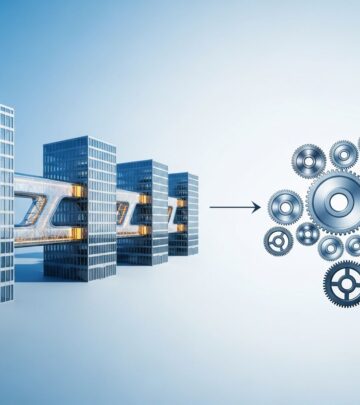
While vertical integration focuses on controlling different stages within a supply chain, horizontal integration operates through a different mechanism. Horizontal integration involves acquiring competitors or similar businesses at the same supply chain stage to reach new customers and increase market share. For example, a grocery chain acquiring a rival store represents horizontal integration, as does Meta’s acquisition of Instagram and WhatsApp to consolidate social media dominance. The key distinction is directional: vertical integration moves up and down the supply chain, while horizontal integration expands laterally across similar business operations.
The Four Stages of Vertical Integration
Successfully implementing vertical integration typically involves four distinct phases:
1. Identification
The first stage requires determining which parts of the supply chain to control, from raw material sourcing to customer interactions. Companies must conduct thorough analysis to identify bottlenecks, cost centers, and strategic opportunities within their supply chain.
2. Acquisition or Development
Companies must decide whether to purchase existing businesses or build new facilities internally. This decision depends on factors including capital availability, timeline requirements, and the competitive landscape.
3. Integration
The third stage involves merging acquired or newly developed operations with existing business processes to ensure seamless functionality. This requires careful planning and coordination to avoid disrupting current operations.
4. Optimization
The final stage focuses on streamlining integrated operations to enhance efficiency, reduce costs, and improve overall performance. Continuous improvement and operational excellence become critical for realizing the benefits of vertical integration.
Advantages of Vertical Integration
Vertical integration offers numerous potential benefits for companies that implement it successfully:
- Cost Reduction: Controlling multiple supply chain stages can significantly reduce procurement costs and eliminate intermediary markups, improving overall profitability.
- Quality Control: Direct ownership of production processes ensures consistent quality standards and reduces reliance on external suppliers’ quality assurance.
- Supply Chain Security: Companies gain greater visibility and control over material availability, reducing risks associated with supplier disruptions or market volatility.
- Faster Response Times: Internal ownership of distribution and retail channels enables quicker response to market demands and customer preferences.
- Strategic Flexibility: Vertically integrated companies can adjust production volumes, pricing, and product features more rapidly than those dependent on external partners.
- Market Power: Control over multiple supply chain stages can provide competitive advantages and stronger negotiating positions with remaining external partners.
- Intellectual Property Protection: In-house production and distribution reduce the risk of intellectual property theft or unauthorized reproduction.
Disadvantages and Challenges of Vertical Integration
Despite its potential benefits, vertical integration presents significant challenges and drawbacks:
- High Capital Requirements: Acquiring businesses or building new facilities requires substantial financial investment, straining company resources and balance sheets.
- Operational Complexity: Managing multiple business stages significantly increases operational complexity and management challenges.
- Reduced Flexibility: Heavy investment in specific supply chain stages can reduce a company’s ability to adapt to changing market conditions or technologies.
- Loss of Specialization: Companies may lose the efficiency benefits that come from focusing on core competencies, instead spreading resources across multiple business areas.
- Cultural Integration Challenges: Combining different company cultures and operational styles can create friction and reduce overall efficiency.
- Increased Financial Risk: Concentrating investments across multiple supply chain stages increases exposure to industry-specific risks and market downturns.
When Vertical Integration Makes Sense
Vertical integration is most appropriate for companies facing specific circumstances. Industries with high outsourcing costs, significant quality concerns, or unreliable suppliers are particularly well-suited for vertical integration strategies. Companies with substantial capital resources and stable market demand can better absorb the significant upfront investments required. Additionally, businesses in industries where supply chain control directly impacts competitive advantage—such as technology, automotive, or luxury goods—frequently benefit from vertical integration. Companies must carefully evaluate their specific situation, competitive landscape, and financial capabilities before pursuing vertical integration.
Frequently Asked Questions
Q: What is the primary goal of vertical integration?
A: The primary goal of vertical integration is to reduce costs, improve quality control, increase supply chain security, and enhance a company’s competitive position by taking ownership of multiple stages within its supply chain.
Q: What is the difference between backward and forward integration?
A: Backward integration involves moving upstream to control raw material sourcing and production, while forward integration moves downstream to control distribution and retail operations.
Q: Is vertical integration suitable for all businesses?
A: No, vertical integration requires significant capital investment and may not be appropriate for all companies. It works best for businesses with stable demand, sufficient financial resources, and supply chain issues that directly impact competitive advantage.
Q: How does vertical integration differ from horizontal integration?
A: Vertical integration expands control over different stages of a supply chain, while horizontal integration involves acquiring competitors at the same supply chain stage to increase market share.
Q: What companies are known for successful vertical integration?
A: Apple, Amazon, Zara, IKEA, Netflix, and Shell Oil are among the most successful examples of vertically integrated companies across various industries.
References
- What Is Vertical Integration? Types and Examples — Shopify. 2024. https://www.shopify.com/retail/vertical-integration
- Vertical vs. Horizontal Integration: Unravel the Difference — Virto Commerce. https://virtocommerce.com/blog/vertical-vs-horizontal-integration
- The 5 Types of Business Integration Explained — Marymount University. https://online.marymount.edu/blog/5-types-business-integration-explained
- Vertical Integration & Business Growth — Santa Clara University MOBI. https://www.scu.edu/mobi/business-courses/growing-a-business/vertical-integration/
- What Is Vertical Integration? — NetSuite. https://www.netsuite.com/portal/resource/articles/erp/vertical-integration.shtml
- Vertical Integration: Definition, Examples, and Advantages — Inbound Logistics. https://www.inboundlogistics.com/articles/vertical-integration/
- Vertically Integrated Companies: Case Studies — Devensoft. https://www.devensoft.com/articles/vertically-integrated-companies-case-studies/
Similar Articles








Read full bio of Sneha Tete