Verify Debt Collectors: 5-Step Guide To Spot Scams Fast
Learn essential steps to confirm if a debt collector is genuine and protect yourself from fraudulent schemes targeting your finances.
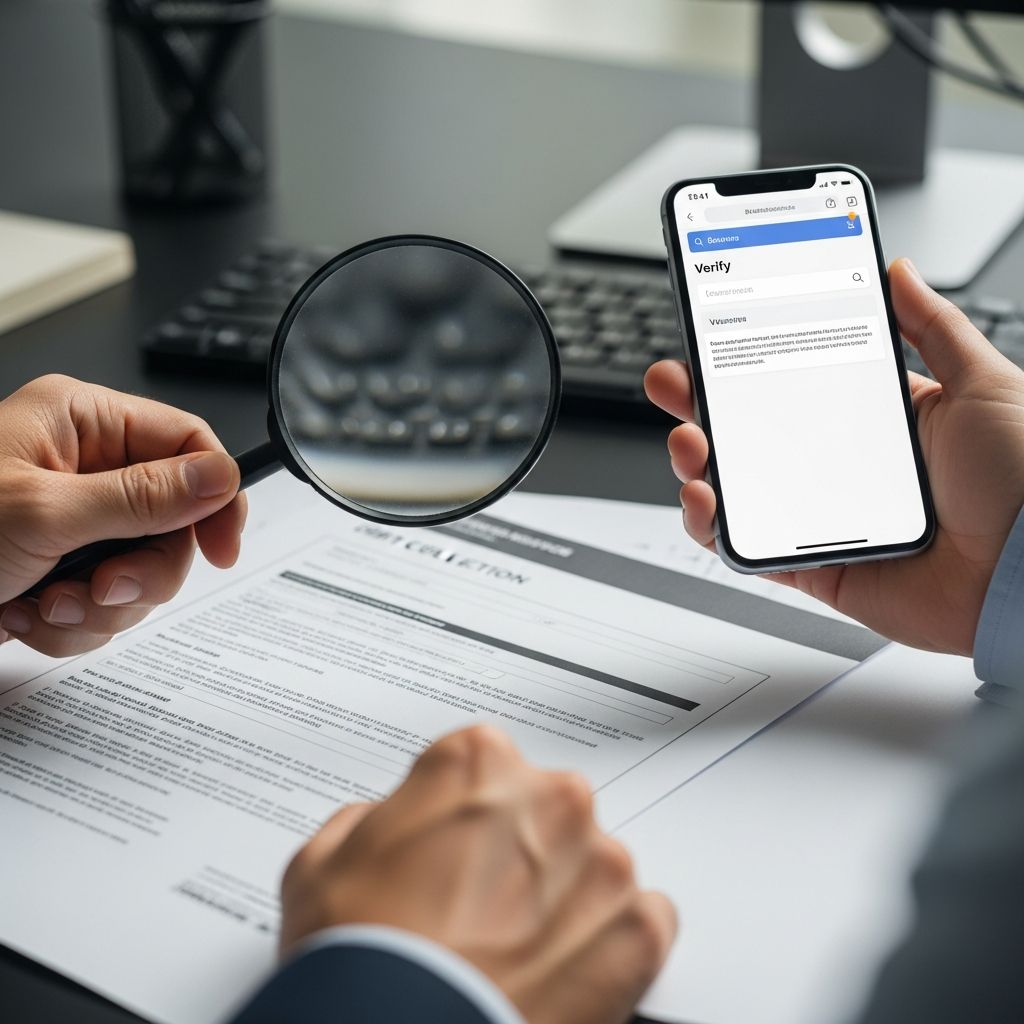
Debt collection calls can be stressful, but distinguishing legitimate collectors from scammers is crucial to safeguard your money and personal information. Legitimate collectors follow strict federal laws like the Fair Debt Collection Practices Act (FDCPA), while fraudsters use fear tactics to trick you into quick payments.
Understanding Debt Collection Basics
Debt collectors contact consumers about unpaid obligations, often purchased from original creditors. Under the FDCPA, they must provide clear details about the debt during initial communication or within five days via written notice. This validation includes the creditor’s name, debt amount, and dispute rights. Failure to comply signals potential illegitimacy.
Scams surged in recent years, with the FTC shutting down operations and refunding millions to victims in 2021 alone. Always verify before acting to avoid falling prey.
Key Red Flags of Fake Debt Collectors
Recognize warning signs early to protect yourself. Common scam tactics include:
- High-pressure threats: Claims of immediate arrest, lawsuits, or wage garnishment unless you pay now. Legitimate collectors cannot threaten jail or illegal actions.
- Requests for sensitive info: Asking for Social Security numbers, bank details, or passwords upfront. Real collectors already have basic debt info and won’t fish for more.
- Untraceable payment demands: Insistence on gift cards, wire transfers, or cryptocurrency. Legitimate options include checks, cards, or secure portals.
- Unknown debts: Debts you don’t recognize, especially old or fabricated ones not on your credit report.
- Refusal to provide details: Evasiveness about company name, address, or validation notice.
Step-by-Step Verification Process
Follow this systematic approach to confirm legitimacy:
- Gather contact details: Request the collector’s full name, company, address, phone, and license number if applicable.
- Demand validation notice: Legally required within five days, it must detail the debt, creditor, amount, and your rights.
- Check licensing: Use the National Multistate Licensing System (NMLS) or your state’s attorney general/bank regulator database.
- Review your credit report: Access free weekly reports at AnnualCreditReport.com to verify the debt’s presence.
- Contact original creditor: Confirm if they assigned the debt to this agency.
| Verification Step | What to Check | Legitimate Indicator | Scam Red Flag |
|---|---|---|---|
| Ask for Info | Name, company, address, license | Provides freely | Evasive or aggressive |
| Validation Notice | Debt details, rights | Sent within 5 days | Refused or delayed |
| Credit Report | Debt listing | Matches details | No record |
| Payment Method | Options offered | Standard (check/card) | Gift cards/wire |
Your Legal Rights Under FDCPA
The FDCPA protects consumers from abusive practices. Key rights include:
- Right to dispute debt within 30 days of validation notice; collection pauses until verified.
- Prohibition on harassment, false threats, or contacting you at unreasonable times.
- Option to send a cease-and-desist letter to stop calls.
- Information on original creditor if requested within 30 days.
If violated, report to the CFPB or FTC and consider suing for damages.
Practical Actions if Debt Seems Legitimate
Once verified:
- Negotiate settlement: Many accept less than owed; get agreements in writing.
- Setup payment plan: Ensure affordable terms.
- Monitor credit: Payments can improve scores if reported positively.
Keep detailed records of all interactions for protection.
Reporting Suspected Scams
Don’t let scammers win. Report to:
- Federal Trade Commission (FTC) at ReportFraud.ftc.gov.
- Consumer Financial Protection Bureau (CFPB) at consumerfinance.gov/complaint.
- Your state attorney general.
- Local law enforcement if threats involved.
Documentation strengthens reports and aids investigations.
Preventive Measures for Future Protection
Proactive steps reduce risks:
- Regularly check credit reports for errors.
- Secure personal info; use credit freezes if needed.
- Educate family on scam tactics.
- Use call-blocking apps for unknowns.
Frequently Asked Questions (FAQs)
Can debt collectors call before 8 AM or after 9 PM?
No, FDCPA restricts calls to 8 AM-9 PM local time.
What if I receive a validation notice but still doubt the debt?
Dispute in writing within 30 days; they must provide proof.
Do debt collectors appear on my credit report?
Yes, collections can, but verify independently.
Is it safe to pay over the phone?
Only after full verification; prefer written plans.
What if the collector claims to be from the government?
Government agencies don’t demand immediate payment or threaten arrest.
References
- How to Know if a Debt Collector Is Real — Holland Law Firm. 2023. https://www.hollandlawfirm.com/how-to-know-if-a-debt-collector-is-real/
- How to Identify a Debt Collection Scam — Benchmark FCU. 2024. https://benchmarkfcu.org/identify-a-debt-collection-scam/
- How to Know if a Debt Collector Is Legitimate — Experian. 2023-10-01. https://www.experian.com/blogs/ask-experian/how-to-know-if-debt-collector-is-legitimate/
- How to tell the difference between legitimate debt collector and scammers — Consumer Financial Protection Bureau. 2024. https://www.consumerfinance.gov/about-us/blog/how-tell-difference-between-legitimate-debt-collector-and-scammers/
- Fake and Abusive Debt Collectors — Federal Trade Commission. 2023. https://consumer.ftc.gov/articles/fake-abusive-debt-collectors
Similar Articles








Read full bio of medha deb