Understanding Vehicle Total Loss Claims
Navigate the process when insurers declare your car a total loss
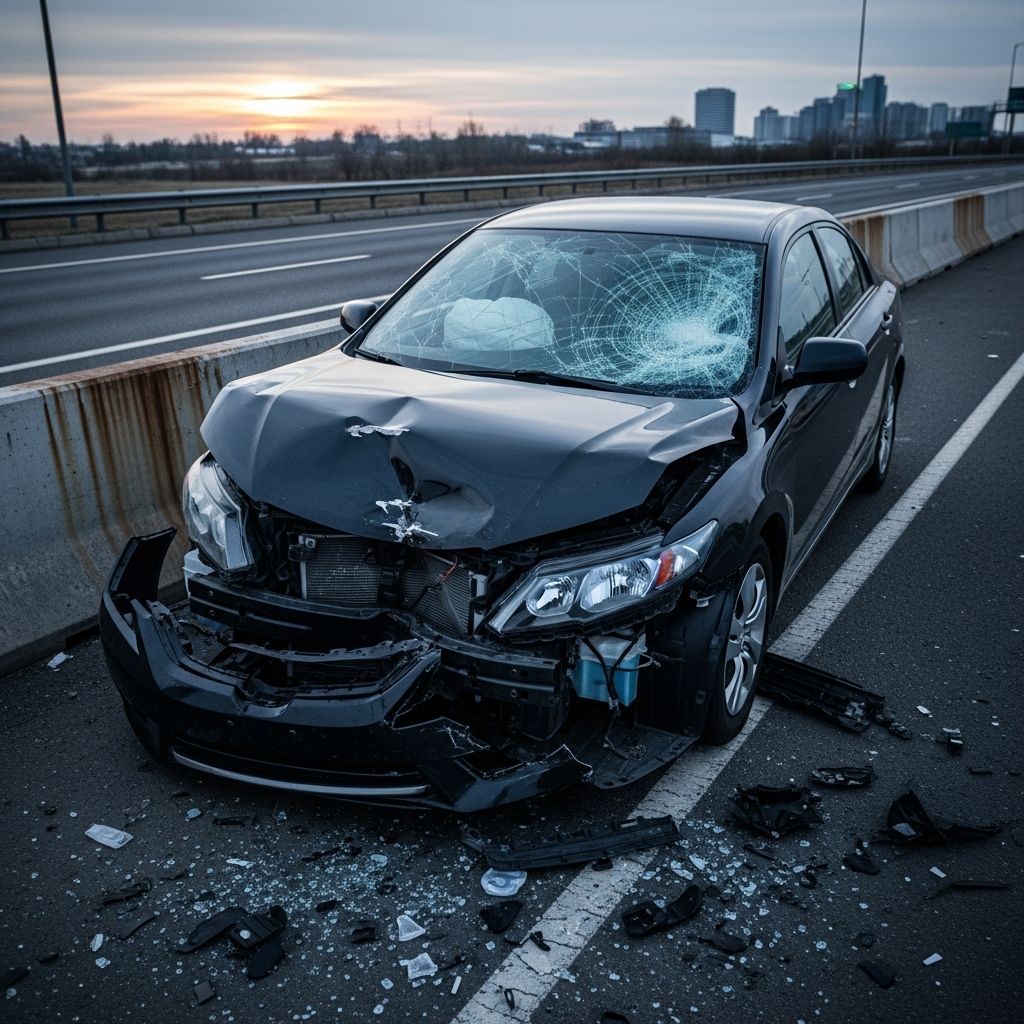
When an accident damages your vehicle severely, insurance companies may declare it a “total loss.” This designation has significant implications for your claim payout and next steps. Understanding how insurers evaluate damage, calculate compensation, and process these claims helps you navigate the situation more effectively.
Defining Total Loss in Insurance Terms
A vehicle reaches total loss status when the expense of restoring it to safe, drivable condition exceeds its monetary value. Insurance companies apply this determination based on mathematical formulas and state-specific regulations. The concept centers on financial practicality: if repairing costs more than replacing the vehicle, insurers classify it as a total loss rather than investing in expensive repairs.
Beyond pure cost considerations, insurers may declare a vehicle totaled even if repair costs fall below its value if structural damage renders the vehicle unsafe for operation. This prioritizes driver safety over financial calculations, recognizing that some vehicles cannot be adequately restored regardless of repair investment.
State-by-State Threshold Requirements
Total loss thresholds vary significantly across jurisdictions, creating different outcomes depending on where you live. State regulations establish specific percentages that determine when a vehicle automatically qualifies as a total loss. These thresholds typically range between 50% and 100% of a vehicle’s pre-accident value.
For example, Arkansas establishes a 70% threshold, meaning vehicles with damage exceeding 70% of their appraised worth are automatically declared totaled. A car valued at $6,000 with $4,200 or more in damage would trigger this classification. Conversely, states with higher thresholds like 100% require damage to equal the entire vehicle value before mandatory total loss classification.
Interestingly, insurance carriers retain discretion to classify vehicles as total losses even when damage falls below their state’s mandatory threshold. This means an insurer can decide total loss status more conservatively than state law requires.
How Insurance Companies Calculate Total Loss Status
The determination process involves multiple steps and considerations. Adjusters conduct physical inspections of damaged vehicles, examining structural integrity, damage extent, and repair feasibility. Simultaneously, insurers calculate the vehicle’s actual cash value (ACV)—what the car was worth immediately before the accident occurred.
Actual cash value differs from purchase price because it factors in depreciation. A relatively new vehicle still carries a significantly lower ACV than its original cost due to immediate value reduction upon purchase and ongoing depreciation. Insurers typically work with third-party vendors that aggregate comprehensive vehicle data to establish accurate ACV figures.
Once the adjuster estimates repair costs and the company determines ACV, they compare these figures against applicable state thresholds or formulas. In states without percentage-based thresholds, insurers use a total loss formula that accounts for salvage value—the amount a salvage yard would pay for the wrecked vehicle. When repair costs plus salvage value meet or exceed the ACV, the vehicle is declared totaled.
Variables Affecting Total Loss Determination
| Factor | Impact on Total Loss Decision |
|---|---|
| Vehicle Age | Older vehicles have lower ACV, increasing total loss likelihood |
| Pre-Accident Condition | Excellent condition increases ACV; poor condition decreases it |
| Mileage | High mileage reduces ACV, making total loss more probable |
| Damage Extent | Structural damage costs more to repair than cosmetic damage |
| Repair Cost Fluctuations | Rising parts and labor costs affect repair estimates significantly |
| Salvage Value | Higher salvage value reduces the total loss calculation threshold |
Insurance Coverage Types for Total Loss Situations
Your coverage determines whether the insurer pays a total loss claim. Collision coverage protects against accidents with other vehicles or stationary objects like poles or barriers. Comprehensive coverage handles damage from events beyond your control—fire, weather, theft, or animal collisions.
If another driver caused the accident and held liability insurance, their property damage liability coverage should compensate you for your vehicle’s value. Uninsured or underinsured motorist coverage provides protection when the at-fault driver lacks adequate insurance. Without these coverages or collision/comprehensive protection, you bear the financial burden of a totaled vehicle entirely.
Payment Amounts and Deductible Considerations
When insurers declare your vehicle a total loss, they reimburse you for the actual cash value minus your chosen deductible and any applicable fees. If you selected a $500 deductible and the insurer determines your vehicle’s ACV at $12,000, you receive $11,500.
The deductible amount significantly impacts your net recovery. Choosing higher deductibles reduces your insurance premiums but increases your out-of-pocket expense during total loss situations. Conversely, lower deductibles mean higher premiums but greater compensation when claims occur.
Some policyholders dispute the ACV determination if they believe insurers undervalued their vehicles. You can request independent appraisals or provide documentation supporting a higher valuation, such as recent maintenance records, upgrades, or comparable vehicle sale prices.
The Claims Process Following a Total Loss Declaration
After an accident, the claims process follows predictable stages. First, you file a claim with your insurance company, providing accident details and damage photographs if available. Next, the insurer assigns an adjuster who investigates the claim and determines coverage eligibility based on your policy terms.
The adjuster completes a physical inspection of your vehicle, documenting all damage. Simultaneously, the insurance company researches your vehicle’s market value using industry databases. The adjuster then estimates repair costs based on the damage assessment. If repair estimates exceed the ACV or fall above your state’s threshold percentage, the company declares the vehicle a total loss.
Upon approval, insurers issue payment for the vehicle’s ACV minus your deductible. Some insurers require you to sign a release statement before receiving payment. Additionally, you may need to provide the vehicle’s title, which some insurers request before issuing the final check.
Handling Vehicle Disposition After Total Loss Declaration
Once the insurer declares your vehicle a total loss, you must address the vehicle’s disposition. Many insurance policies include a clause requiring you to surrender the vehicle to the insurance company, which then sells it to salvage yards or auctions to recover some costs.
Some insurers allow you to retain the vehicle after settlement, meaning you keep the damaged car while receiving the total loss payout. This option typically requires accepting a reduced settlement amount that accounts for the salvage value the insurer forfeits. If you choose this option, you become responsible for the vehicle’s disposal or repair.
Retaining a totaled vehicle makes sense only if you plan to repair it independently or possess mechanical expertise to restore it cost-effectively. Most consumers find this impractical and prefer surrendering the vehicle to simplify the process.
Documenting Your Vehicle’s Pre-Accident Condition
Maintaining thorough documentation supports your total loss claim and helps justify any disputes over valuation. Keep receipts for maintenance, repairs, upgrades, and recent improvements. Photographs of your vehicle in good condition provide visual evidence of its pre-accident state.
Service records demonstrating regular maintenance increase your vehicle’s ACV by showing responsible ownership. Documentation of recent investments like new tires, battery replacements, or mechanical repairs adds to the vehicle’s assessed value. When insurers evaluate your vehicle, this evidence helps justify higher ACV determinations.
Frequently Asked Questions
What percentage of damage triggers automatic total loss status?
Total loss thresholds vary by state, typically ranging from 50% to 100% of the vehicle’s ACV. Once damage reaches or exceeds your state’s threshold, insurers automatically declare the vehicle totaled. However, insurers can choose lower thresholds and declare vehicles totaled before reaching the state-mandated percentage.
Can you dispute a total loss determination?
Yes, you can challenge a total loss declaration if you believe the insurer’s valuation or damage assessment is inaccurate. Request independent appraisals, provide comparable vehicle pricing, and submit documentation supporting a higher ACV. If disputes remain unresolved, many policies include arbitration procedures.
Do you keep the car after receiving total loss payment?
This depends on your insurance policy and agreement with the insurer. Some insurers require vehicle surrender as part of the settlement, while others allow you to retain the damaged car for a reduced payout. Review your policy language or contact your agent to clarify this provision.
How long does the total loss determination process take?
Most insurance companies complete total loss determinations within 10 to 30 days, depending on damage severity, inspection scheduling, and claims complexity. Some states require insurers to provide written notice within specific timeframes, typically 30 days from claim filing.
What if you still owe money on a totaled vehicle?
If you financed or leased your vehicle and still carry outstanding loan or lease balances, the insurance settlement may not cover the full amount owed. Gap insurance, if included in your policy, bridges this difference. Without it, you remain responsible for the loan balance even after surrendering the vehicle to the insurer.
Planning for Vehicle Replacement After Total Loss
Receiving total loss payment marks the beginning of your vehicle replacement journey. The settlement amount determines your purchasing power for a replacement vehicle. Some consumers use the opportunity to upgrade to a newer, safer model, while others purchase similar vehicles within their budget constraints.
Before purchasing a replacement, consider increasing collision and comprehensive coverage limits to ensure adequate protection for your new investment. Additionally, review your deductible strategy—lower deductibles provide better protection in future accidents but increase premiums.
Total loss situations, while stressful, become manageable when you understand the process and know your rights. By maintaining proper documentation, understanding your coverage, and communicating clearly with your insurance company, you can navigate this challenging experience effectively.
References
- Totaled Car Insurance Coverage and Claims — The Hartford. 2025. https://www.thehartford.com/aarp/car-insurance/totaled-car
- What Happens When Your Car is Totaled? — Progressive. 2025. https://www.progressive.com/answers/what-happens-when-car-is-totaled/
- Totaled Car: Everything You Need to Know — Kelley Blue Book. 2025. https://www.kbb.com/car-advice/totaled-car/
- When Is a Car Considered Totaled? — World Insurance Associates. 2025. https://www.worldinsurance.com/blog/when-is-a-car-considered-totaled
- Totaled Car: What Happens Next? — Allstate. February 2025. https://www.allstate.com/resources/car-insurance/what-if-car-totaled
- My car was totaled! Now what? — Texas Department of Insurance. https://www.tdi.texas.gov/tips/car-totaled.html
Similar Articles








Read full bio of Sneha Tete