Vehicle Theft Protection: What Your Auto Insurance Covers
Understand comprehensive coverage and protect your vehicle from theft with the right insurance policy.
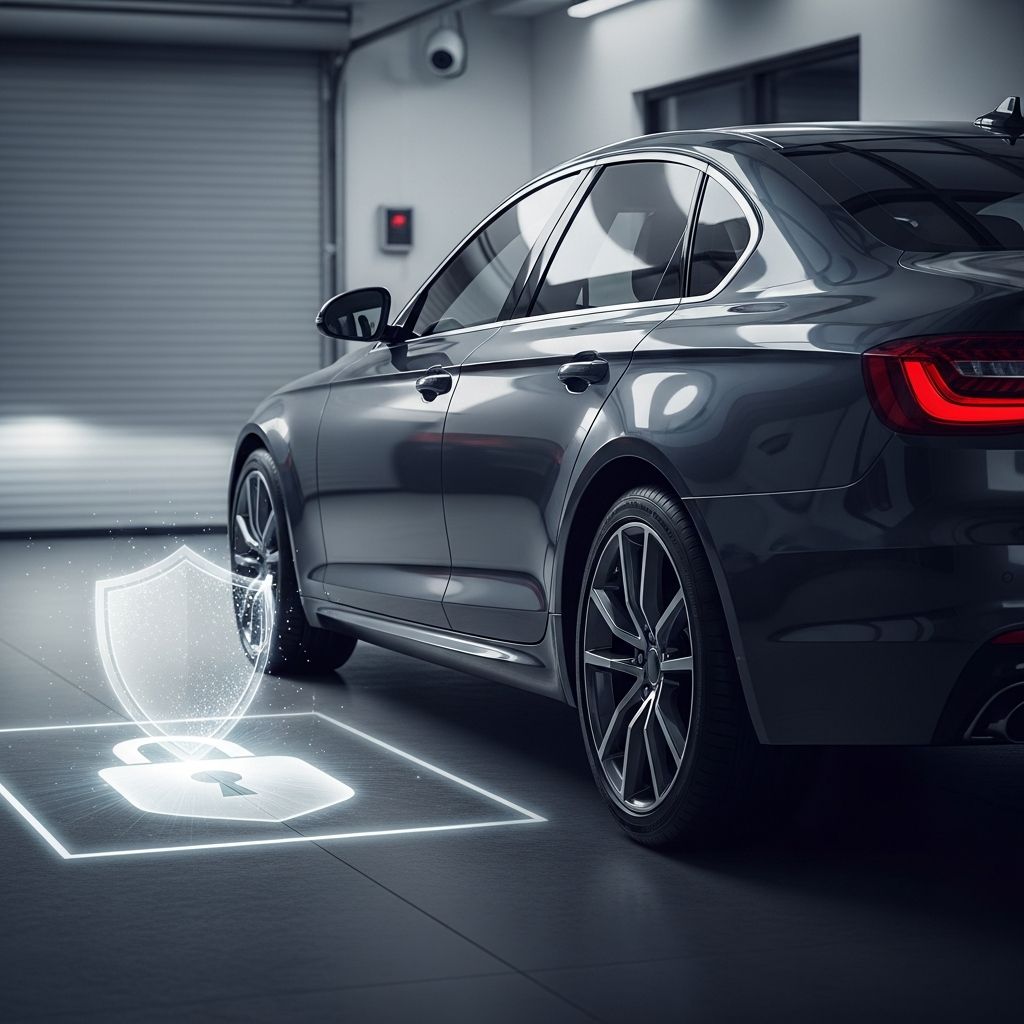
Vehicle theft remains a significant concern for car owners, with thousands of vehicles stolen annually across the country. Understanding whether your auto insurance policy protects you against this risk is crucial for making informed decisions about your coverage. While basic liability insurance provides essential protection in accidents, it does not shield you from the financial loss of a stolen vehicle. Instead, comprehensive coverage—an optional but highly valuable insurance component—is specifically designed to protect against theft and other non-collision incidents.
Understanding Comprehensive Coverage and Theft Protection
Comprehensive coverage is a type of auto insurance that protects against damages and losses that occur outside of collision-related incidents. This coverage extends to a wide range of perils, including theft, vandalism, weather-related damage, falling objects, animal collisions, and break-ins. When your vehicle is stolen and you have comprehensive coverage active on your policy, your insurance company will compensate you for the loss, making this an essential protection for vehicle owners concerned about theft.
Many people mistakenly believe that “full coverage” auto insurance is a specific product that automatically includes theft protection. In reality, the term “full coverage” is informal and typically refers to a combination of comprehensive and collision coverage. These are separate, optional coverages that you can purchase independently. If you only carry the state-required liability insurance, you will have no protection against vehicle theft, regardless of the circumstances surrounding the loss.
How Comprehensive Coverage Reimburses Stolen Vehicles
When your vehicle is stolen and you have comprehensive coverage, your insurance company will typically reimburse you based on the car’s actual cash value (ACV) at the time of the theft. Actual cash value accounts for depreciation and represents what your vehicle would realistically sell for in the current market. This means that older vehicles or those with higher mileage will receive lower reimbursement amounts than newer models in excellent condition.
Your reimbursement will be reduced by your selected deductible—the out-of-pocket amount you agreed to pay when you purchased the policy. For example, if your vehicle is valued at $15,000 and you have a $500 deductible, your insurance company would pay $14,500. Some insurance policies offer replacement cost coverage as an alternative to actual cash value, though this option is less commonly available and typically requires an additional premium. Replacement cost coverage reimburses you for the cost to replace your vehicle with a new one of similar make and model, rather than accounting for depreciation.
Your comprehensive coverage also has a coverage limit—the maximum amount your insurance company will pay for a covered loss. This limit is typically set at your vehicle’s depreciated value, ensuring that you cannot receive more compensation than the vehicle is actually worth.
Coverage for Stolen Vehicle Components and Aftermarket Parts
Beyond covering the entire vehicle, comprehensive coverage extends to stolen car parts and components. If thieves steal factory parts from your vehicle, such as wheels, mirrors, or other original equipment, your comprehensive coverage will typically pay for their replacement or repair up to your coverage limit and deductible. This protection applies whether your vehicle is recovered or never found.
However, custom parts and aftermarket modifications present a different situation. Most standard comprehensive policies do not cover custom parts, high-end sound systems, custom paint jobs, or other vehicle upgrades beyond a certain threshold. Insurance companies typically limit coverage for aftermarket equipment to approximately $1,000 under standard comprehensive coverage. If you have invested in custom modifications worth more than this amount, you can purchase additional custom parts and equipment (CPE) coverage for a modest additional premium. This specialized coverage ensures that your valuable upgrades are fully protected in the event of theft.
What Auto Insurance Does Not Cover During Theft
While comprehensive coverage provides robust protection for your vehicle and its components, it explicitly does not cover personal belongings stolen from your car. Items such as laptops, smartphones, tablets, tools, jewelry, clothing, and other personal property are not covered by auto insurance policies. If thieves break into your vehicle and steal these items, you will need to rely on other insurance policies for reimbursement.
Homeowners insurance, renters insurance, and condo insurance policies typically provide coverage for personal belongings stolen from your vehicle. These policies often include coverage for theft occurring away from your residence, making them the appropriate vehicle for protecting your personal items. When filing a claim for stolen personal property, you would work with your homeowners or renters insurance provider rather than your auto insurer.
The Timeline and Prerequisites for Coverage
An important consideration regarding theft coverage is that you must maintain comprehensive coverage on your policy before the theft occurs. Insurance coverage is not retroactive, meaning you cannot purchase comprehensive coverage after your vehicle has been stolen and expect to receive reimbursement for the loss. If your car is stolen on a Tuesday and you purchase comprehensive coverage on Wednesday, your policy will only protect you against theft occurring on or after the coverage effective date. This makes it essential to secure appropriate coverage proactively rather than reactively.
Additionally, if your vehicle is financed or leased, your lender typically requires you to maintain comprehensive coverage throughout the loan or lease term. This requirement protects the lender’s financial interest in the vehicle. For vehicles owned outright, comprehensive coverage is optional, though financial experts generally recommend it as a valuable protection given the relatively low cost.
Filing a Theft Claim: Essential Steps and Documentation
If your vehicle is stolen, taking prompt action is critical to successfully filing an insurance claim. The first and most important step is to report the theft to law enforcement immediately and obtain a police report. This report serves as official documentation of the theft and is required by insurance companies when processing theft claims. Make note of the police report number, as you will need to provide this information to your insurance company.
After filing the police report, contact your insurance agent or company without delay to initiate the claims process. Provide them with the police report number, detailed information about your vehicle (including the Vehicle Identification Number), the circumstances of the theft, and any other relevant details. Your insurance company will then investigate the claim to verify that the loss is covered under your policy.
During the investigation period, your insurance company may request additional documentation, such as proof of ownership, maintenance records, photographs of the vehicle, or evidence of its condition prior to theft. Cooperate fully with these requests to expedite the claims process. Once the investigation is complete and the claim is approved, your insurance company will issue reimbursement based on the vehicle’s actual cash value, minus your deductible and any applicable coverage limits.
Recovered Vehicles and Damage Assessment
In some cases, a stolen vehicle is recovered by law enforcement after you have filed a theft claim. If your vehicle is found after your insurance company has already compensated you for the loss, the insurer may take ownership of the vehicle to offset the reimbursement they provided. However, if the vehicle is recovered before compensation is issued, your comprehensive coverage will pay for any damages incurred during the theft, such as broken windows, damaged locks, vandalism, or mechanical damage.
When your vehicle is recovered, immediately notify your insurance company and provide details about its condition. Your insurer will assess the damage and determine whether repair costs fall within your coverage limits. Comprehensive coverage will pay for these repairs, minus your deductible, allowing you to restore your vehicle to its pre-theft condition.
Reducing Your Risk and Accessing Insurance Discounts
Beyond maintaining comprehensive coverage, you can take proactive steps to reduce your vehicle’s theft risk and potentially qualify for insurance discounts. Many insurance companies offer discounts for vehicles equipped with anti-theft devices, such as manual alarms, passive alarms, GPS tracking systems, or steering wheel locks. Some insurers also provide discounts if your vehicle’s Vehicle Identification Number (VIN) is engraved on windows or door glass, as this makes the vehicle less attractive to thieves.
Installing a modern security system or tracking device can provide dual benefits: increased protection against theft and potential insurance savings. Parking in well-lit, secure locations, avoiding leaving valuables visible in your vehicle, and keeping doors locked and windows closed are additional strategies to minimize theft risk. These practical measures, combined with comprehensive coverage, create a comprehensive theft prevention and protection strategy.
Coverage Limits and Deductible Selection
When purchasing comprehensive coverage, you have flexibility in selecting your deductible amount. Common deductible options range from $250 to $1,000 or higher, depending on your insurance company and policy terms. A higher deductible results in lower monthly premiums but means you will pay more out of pocket if a theft occurs. A lower deductible increases your monthly costs but provides greater financial protection when you need to file a claim.
Your coverage limit is typically set at your vehicle’s actual cash value, which depreciates over time. As your vehicle ages, its actual cash value decreases, and correspondingly, your maximum possible reimbursement decreases. This is why insuring a vehicle with comprehensive coverage is particularly valuable for newer vehicles that have significant value. For older vehicles with minimal market value, the cost-benefit analysis of comprehensive coverage may differ, though protection is still advisable if the vehicle is financed or leased.
Common Questions About Theft Coverage
Frequently Asked Questions
Does liability insurance cover vehicle theft?
No. Liability insurance covers damages or injuries you cause to others in an at-fault accident. It does not provide any protection against your own vehicle being stolen. You must have comprehensive coverage to be protected against theft.
Does collision coverage cover theft?
No. Collision coverage pays for damage to your vehicle caused by collision with another vehicle or object. It does not cover theft or other non-collision incidents. Comprehensive coverage is the appropriate insurance type for theft protection.
How much does comprehensive coverage cost?
Comprehensive coverage is generally affordable, with average costs around $18 per month, though prices vary based on your vehicle, location, driving history, and insurance company. When you consider the potential loss from vehicle theft, this modest cost provides substantial financial protection.
What if my car is stolen with the keys inside?
Comprehensive coverage typically protects you even if your vehicle is stolen with the keys in it. Your insurer will not deny coverage based on negligence in leaving keys in the vehicle. However, you should still take reasonable precautions to secure your vehicle.
Can I cancel comprehensive coverage after my vehicle is paid off?
Once your vehicle is paid off and you no longer have a lender requiring comprehensive coverage, you may legally cancel it. However, financial experts recommend maintaining this coverage regardless of whether you own the vehicle outright, given the affordable cost and significant protection it provides.
Making an Informed Decision About Theft Coverage
Protecting your vehicle against theft through comprehensive coverage is a practical and affordable investment in financial security. By understanding how this coverage works, what it includes, and what it excludes, you can make informed decisions about your auto insurance policy. Whether your vehicle is new or used, financed or owned outright, having comprehensive coverage in place provides peace of mind and protection against one of the most significant risks vehicle owners face.
Take the time to review your current auto insurance policy and determine whether comprehensive coverage is included. If not, contact your insurance agent to understand the cost of adding this protection. Given the relatively modest expense and substantial protection it provides, comprehensive coverage represents a valuable addition to any auto insurance policy for drivers concerned about vehicle theft.
References
- Does Car Insurance Cover Theft? — Progressive Insurance. 2024. https://www.progressive.com/answers/does-car-insurance-cover-theft/
- Does Car Insurance Cover Theft? — Acrisure. 2024. https://www.acrisure.com/blog/does-car-insurance-cover-theft
- Does Car Insurance Cover Theft? — Allstate. 2024. https://www.allstate.com/resources/car-insurance/does-car-insurance-cover-theft
- Stolen Car Insurance | Car Theft Insurance — Root Insurance. 2024. https://www.joinroot.com/car-insurance/coverage/theft-stolen-car/
- Does Car Insurance Cover Theft? — NJM Insurance. 2024. https://www.njm.com/ask/does-car-insurance-cover-theft
- Beyond Collisions: Understanding Theft Coverage in Car Insurance — Insure With Kevin. 2024. https://insurewithkevin.com/beyond-collisions-understanding-theft-coverage-in-car-insurance/
Similar Articles








Read full bio of Sneha Tete