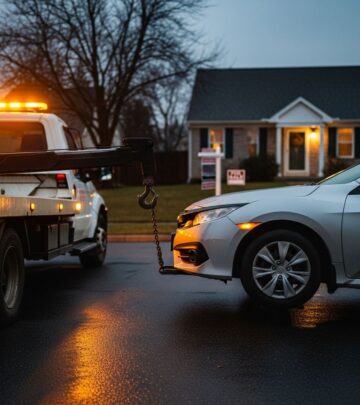
Vehicle Repossession: Understanding Your Rights and Options
Learn how car repossession works, your legal protections, and strategies to recover your vehicle.

When you finance a vehicle through a loan or lease agreement, the lender retains certain legal rights over that asset until you complete your payment obligations. One of the most significant of these rights is the ability to repossess—or seize—your vehicle if you fail to maintain your payment schedule. Understanding how this process functions, what protections exist under law, and what options are available to you can help you navigate financial difficulties without losing your transportation.
The Mechanics of Vehicle Default and Seizure
Repossession begins when your loan account enters a state of default. Default occurs when you miss required payments, though the specific timeline varies considerably. Some lenders may declare default after a single missed payment, while others allow borrowers to fall behind for 30, 60, or even 90 days before taking action. Your loan agreement specifies these terms, making it essential to review your contract carefully when you initially finance your vehicle.
Once your account is in default, lenders possess broad authority to repossess your vehicle. Notably, they do not need court approval or advance notice to your address before sending a repossession agent to retrieve the car. This means a towing company contracted by your lender could remove your vehicle from your driveway, street parking, or workplace at any time without warning. However, this authority has important limitations established by federal and state regulations.
Understanding Lender Rights and Legal Boundaries
While lenders hold significant power over collateral, this power is not unlimited. Federal Trade Commission guidelines and state-specific statutes establish clear boundaries for repossession conduct.
What Repossession Agents Can and Cannot Do
Repossession agents operating legally must adhere to strict conduct standards:
- They may access your vehicle on public roads, your driveway, or parking lots without permission
- They may use duplicate keys or hotwire vehicles to access them
- They cannot threaten, intimidate, or use physical violence against you or your family members
- They cannot attempt to enter locked garages or break into your home
- They cannot damage your vehicle or personal possessions during the seizure process
- They cannot receive police assistance in the repossession unless a court order explicitly authorizes it
When repossession agents violate these boundaries—a legal concept known as “breaching the peace”—you may have grounds to pursue damages against both the agent and the lender. Documentation of any threats, violence, or unlawful entry becomes critical evidence in such cases.
The Timeline from Default to Sale
Understanding the sequence of events following default helps you identify intervention points. The typical progression unfolds as follows:
| Stage | Timeline | Your Options |
|---|---|---|
| Payment Delinquency | Day 1 onward after missed payment | Contact lender to arrange payment plan or catch-up arrangement |
| Default Declaration | Typically 30-90 days late, varies by contract | Negotiate loan modification or surrender vehicle voluntarily |
| Repossession Notice (if provided) | Varies by state; some states require notice | Arrange reinstatement or redemption payments |
| Vehicle Seizure | Can occur without advance warning | Attempt recovery within state-mandated timeframes |
| Sale or Auction | Usually 30-45 days after seizure | Purchase vehicle back before auction if possible |
Recovery Options After Repossession
If your vehicle has already been seized, several recovery pathways may remain available depending on your state’s laws and your financial situation.
Reinstatement: Returning to Current Status
Reinstatement allows you to restore your loan to good standing by paying all past-due amounts plus associated fees. This option typically requires payment of:
- All missed payments accumulated during the delinquency period
- Late fees and penalty charges accrued by the lender
- The actual cost of repossession (towing, storage, processing fees)
- Sometimes administrative fees charged by the lender
Once reinstated, you resume making regular monthly payments as if the default had never occurred. However, reinstatement does not erase the delinquency from your credit report—that negative mark remains visible to future lenders for seven years. Additionally, not all states recognize reinstatement rights; some lenders have discretion about whether to offer this option. If your state or contract does not provide reinstatement language, you can still request that your lender modify the loan to include this protection.
Redemption: Paying in Full
Redemption represents a different recovery strategy where you pay the entire remaining loan balance, all accumulated fees, and repossession costs to reclaim your vehicle. This option makes sense primarily for borrowers who have sufficient funds available and want to own the vehicle outright immediately rather than continue making payments. Redemption is particularly valuable if your vehicle’s value significantly exceeds the remaining loan balance.
Purchasing Before Auction
If neither reinstatement nor redemption is feasible, you may still purchase your vehicle at the lender’s auction before it is sold to the public. Most lenders conduct these auctions 30-45 days after seizing the vehicle, giving you a window to arrange financing or gather resources. Purchasing your own vehicle at auction typically costs substantially less than redemption, as the lender seeks to recoup losses rather than maximize proceeds.
Personal Property Rights and Recovery
When your vehicle is repossessed, you likely have personal belongings inside it—phone chargers, documents, medications, or valuable items. Your belongings remain your property, and lenders have specific obligations regarding their recovery.
Upon seizure, repossession agents must inventory all personal property found in the vehicle and provide you written notice within five days detailing how to recover your items. You typically have 45 days from receipt of this notice to claim your possessions. After this window closes, the repossession company may dispose of remaining items. Importantly, lenders cannot charge fees for returning your personal property, nor can they withhold items to pressure payment of the debt.
Preventing Unlawful Repossession: Your Legal Defenses
Certain circumstances render repossession illegal or unenforceable, providing you with legal defenses against seizure or grounds to recover damages.
Notice Violations
States with notice requirements typically mandate that lenders provide at least 21 days’ advance notice before repossessing and allow you to “redeem” or repurchase your vehicle during this period. If your lender repossesses without providing proper notice as required by state law, you have grounds to challenge the repossession in court.
Police Involvement
State laws generally prohibit police from assisting private creditors in vehicle repossession unless a court has issued a specific order authorizing police involvement. If officers aided in repossessing your vehicle without court authorization, the repossession may be deemed unlawful.
Breach of Peace
When repossession agents use threats, physical force, or attempt unlawful entry to your home or garage, they commit a breach of peace. Such conduct can expose lenders to liability for actual damages and, in some jurisdictions, punitive damages designed to punish egregious behavior.
Improper Fees and Charges
Lenders must comply with state usury and disclosure laws. If a company has charged unlawful fees that artificially inflated your debt and pushed your account into default, you may have grounds to challenge the repossession.
Voluntary Repossession: A Strategic Alternative
If you recognize that maintaining your vehicle payments is impossible, you might consider voluntarily returning the car to your lender—a process called voluntary repossession. This approach offers several potential advantages:
- You avoid the trauma and inconvenience of having your vehicle seized without warning
- You eliminate potential fees associated with towing and recovery efforts
- You may avoid additional storage fees that accrue while the vehicle sits in a lot
- You demonstrate cooperation, which some lenders reward with more favorable settlement terms
However, voluntary repossession does not protect you from deficiency liability. You remain responsible for the difference between what the lender recovers by selling your vehicle and what you still owe on the loan. Additionally, the repossession—whether voluntary or involuntary—appears on your credit report with equally damaging consequences. Contact your lender to determine whether voluntary repossession is an option and what terms they might offer.
The Deficiency and Post-Repossession Debt
After your vehicle is repossessed and sold, the lender calculates a “deficiency”—the gap between the sale proceeds and your remaining loan balance. For example, if you owe $15,000 and the lender sells your car for $10,000, you remain responsible for the $5,000 deficiency plus any fees incurred during repossession and sale.
The lender may pursue this deficiency through civil court proceedings, potentially resulting in wage garnishment, bank account levies, or liens against other property. Some states limit deficiency judgments or require lenders to follow specific procedures, so understanding your state’s rules is important.
Credit Report Impact and Long-Term Consequences
Repossession severely damages your credit profile. The repossession notation remains on your credit report for seven years from the date of default, significantly lowering your credit score. This negative mark makes obtaining future financing difficult and typically results in higher interest rates when credit is available.
Beyond the repossession notation itself, the underlying delinquency also appears on your report, creating a compound negative effect. Lenders view repossession as evidence of severe financial mismanagement, making you a high-risk borrower for any secured or unsecured credit products.
Proactive Steps to Avoid Repossession
Prevention remains far superior to managing repossession’s aftermath. If you anticipate payment difficulties:
- Contact your lender immediately upon recognizing payment challenges rather than waiting for delinquency notices
- Request a loan modification that reduces your monthly payment or extends your loan term
- Explore payment deferrals that allow you to skip or reduce payments for a limited period
- Investigate refinancing options that might lower your rate and monthly obligation
- Sell your vehicle privately if the sale proceeds exceed your loan balance
- Seek credit counseling from a nonprofit agency to evaluate your complete financial picture
Frequently Asked Questions
Can a lender repossess my car without notice?
In most states, yes. Federal law and many state laws allow repossession without advance notice once you’re in default. However, some states require notice. Check your specific state’s laws and your loan agreement for any notice requirements.
How many missed payments trigger repossession?
This depends entirely on your loan contract and state law. Technically, lenders can repossess after one missed payment, though most wait until 60-90 days of delinquency have accrued.
Can I get my car back after repossession?
Yes, through reinstatement (paying past-due amounts and fees), redemption (paying the full balance), or purchasing your vehicle at auction before it sells to the public.
Is voluntary repossession better than involuntary?
Voluntary repossession may reduce some fees but does not eliminate deficiency liability or prevent credit damage. Both types of repossession negatively impact your credit report.
What should I do if I find repossession unlawful?
Consult an attorney experienced in consumer protection law. Document any threats, police involvement, or unlawful entry, as these may support claims of breach of peace or other violations.
Moving Forward After Repossession
Repossession represents a significant financial and personal setback, but it is not irreversible. By understanding your legal rights, exploring available recovery options, and taking proactive steps to manage post-repossession debt, you can work toward financial recovery. If you face repossession threats, immediate action—whether contacting your lender, seeking loan modification, or consulting legal counsel—provides your best opportunity to protect your interests and preserve your transportation access.
References
- Understanding Car Repossession — Illinois Legal Aid Online. 2025. https://www.illinoislegalaid.org/legal-information/understanding-car-repossession
- What Is the Car Repossession Process? — American Bankruptcy Institute (ABI). 2025. https://www.abi.org/feed-item/what-is-the-car-repossession-process
- How Does Car Repossession Work? — Bankrate. 2025. https://www.bankrate.com/loans/auto-loans/how-does-repossession-work/
- Car Repossession – How it Works & How it Affects Your Credit — Debt.org. 2025. https://www.debt.org/faqs/repossession/
- Vehicle Repossession — Federal Trade Commission Consumer Advice. 2025. https://consumer.ftc.gov/articles/vehicle-repossession
- What Is Repossession and How Does It Work? — Equifax. 2025. https://www.equifax.com/personal/education/personal-finance/articles/-/learn/what-is-reposession/
Similar Articles








Read full bio of medha deb