Complete Guide to Vehicle Protection Plans
Understand warranty coverage options to protect your automotive investment effectively.
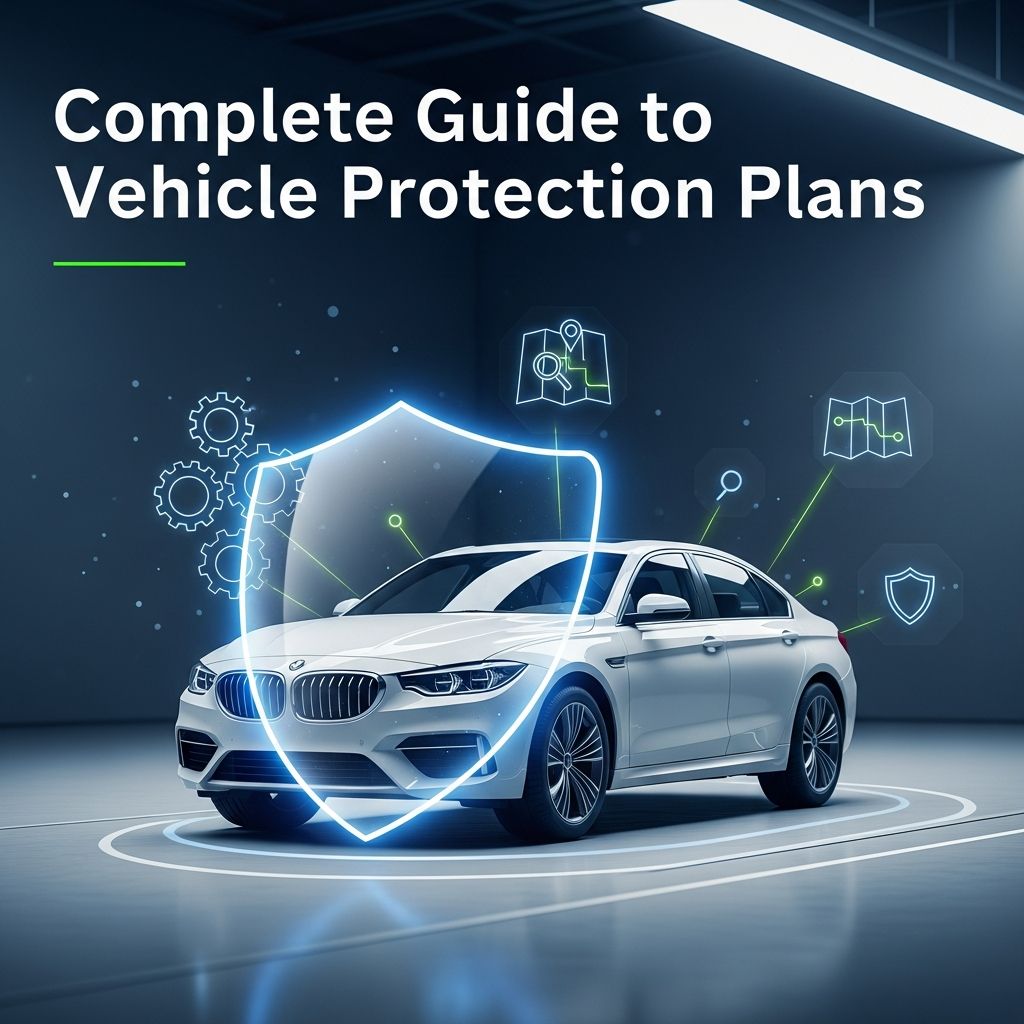
When purchasing a vehicle, one of the most important decisions you’ll face involves understanding and selecting appropriate protection coverage. A car warranty is fundamentally a contractual agreement between you and a manufacturer or service provider that guarantees specific vehicle components will function properly for a defined period or mileage threshold. This protection serves as a financial safeguard against unexpected repair expenses that can otherwise strain your budget significantly. Whether you’re buying a brand-new vehicle or considering a used option, comprehending the nuances of different warranty structures will empower you to make informed decisions that align with your financial goals and driving patterns.
Understanding the Two Primary Warranty Categories
Vehicle warranties fall into two fundamental categories: manufacturer-provided coverage and purchaser-elected extended protection plans. Manufacturer warranties come automatically with every new vehicle and represent the baseline protection offered by the automaker. Extended warranties, conversely, are optional agreements you can purchase to supplement or extend your original coverage beyond its standard expiration date.
Manufacturer warranties typically guarantee that your vehicle will perform as designed during the coverage period. The minimum industry standard established by most automakers spans three years or 36,000 miles, whichever comes first. However, many manufacturers exceed these minimums substantially. Some brands, particularly those focusing on customer retention and brand loyalty, offer significantly longer initial protection periods that can reach five to ten years with mileage allowances exceeding 100,000 miles.
Exploring Factory Warranty Coverage Structures
Factory warranties come in several distinct varieties, each addressing different aspects of vehicle protection:
Comprehensive Bumper-to-Bumper Protection
The most expansive factory warranty option is comprehensive coverage, commonly referred to as bumper-to-bumper protection. This designation derives from the concept that coverage extends across virtually every component situated between your vehicle’s front and rear bumpers. These plans encompass all major vehicle systems and electrical components that typically fail due to manufacturing defects.
Typical bumper-to-bumper coverage includes:
- All major engine components and systems
- Transmission assembly and related components
- Electrical systems including alternators, power windows, and door locking mechanisms
- Air conditioning and heating equipment
- Safety features including airbags and restraint systems
- Steering system components
- Advanced technology systems such as cameras and navigation equipment
- Select emissions system components
Bumper-to-bumper warranties typically last between three and five years, making them valuable during the period when manufacturing defects are most likely to manifest.
Powertrain-Specific Coverage
Powertrain warranties focus exclusively on the mechanical components responsible for propelling your vehicle forward. While more limited in scope than comprehensive coverage, powertrain warranties frequently extend for longer periods than bumper-to-bumper plans. This extended duration recognizes that drivetrain components, while essential and expensive to repair, often outlast other vehicle systems.
Powertrain warranty coverage typically protects:
- Engine block and internal engine components
- Transmission assembly
- Drive axles and axle shafts
- Driveshafts
- Seals and gaskets related to powertrain operation
- Differentials
- Transfer cases in all-wheel-drive vehicles
Many manufacturers provide powertrain protection lasting five to ten years or 60,000 to 100,000 miles. Certain premium and value-focused brands extend these warranties even further, sometimes covering powertrain components for the lifetime of the original vehicle owner.
Specialized Warranty Components
Beyond comprehensive and powertrain coverage, manufacturers often provide specialized warranties addressing specific vehicle systems:
| Warranty Type | Coverage Focus | Typical Duration |
|---|---|---|
| Restraint Systems Warranty | Airbags, seatbelts, and safety features | 5-10 years / 60,000-100,000 miles |
| Battery Warranty (EV/Hybrid) | Main propulsion battery and related components | 8 years / 100,000 miles (federally mandated) |
| Emissions Warranty | Catalytic converter and emissions control systems | 5-10 years / 50,000-100,000 miles |
| Corrosion/Rust Warranty | Protection against rust perforation | 5-10 years / Variable mileage |
Extended Warranty Plans and Service Contracts
Extended warranties, also referred to as vehicle service contracts, are optional protection agreements you purchase to supplement your factory coverage. These plans activate after your manufacturer warranty expires, providing continuity of protection against unexpected repair expenses.
A standard extended warranty configuration might add three to five years and 50,000 miles to your existing coverage. For example, if your factory warranty provides four years or 50,000 miles of bumper-to-bumper protection, a typical extended plan could stretch your total coverage to seven years or 100,000 miles.
Extended Warranty Plan Tiers
Extended warranty providers typically offer multiple plan levels, each representing a different balance between cost and coverage breadth:
- Premium/Platinum/Diamond Plans: These top-tier options provide bumper-to-bumper equivalent coverage, protecting hundreds or thousands of vehicle components. While representing the highest cost option, they also provide the broadest protection scope.
- Mid-Level/Gold/Silver Plans: These intermediate options cover somewhere between powertrain-only and full bumper-to-bumper protection, typically encompassing several hundred major components. They offer a middle-ground approach for cost-conscious buyers.
- Powertrain-Only Plans: These entry-level options mirror your factory powertrain warranty, covering engine, transmission, and drivetrain components exclusively. While the most affordable, they provide the narrowest protection scope.
Industry analysis consistently demonstrates that premium extended plans offer superior value compared to mid-level options. Despite costing only 10-40% more than silver or gold plans, top-tier coverage protects substantially more components, resulting in fewer out-of-pocket repair expenses.
Understanding Warranty Exclusions and Limitations
While warranties provide valuable protection, they contain important exclusions that vehicle owners must understand. Knowing what falls outside your coverage prevents disappointing surprises when unexpected repairs arise.
Common Coverage Exclusions
Most warranties, regardless of type or provider, explicitly exclude the following categories:
- Routine Maintenance Items: Oil changes, fluid replacements, filter changes, and scheduled servicing fall outside warranty protection. These anticipated maintenance tasks represent normal vehicle operation costs.
- Wear-and-Tear Components: Parts with predictable lifespans, including brake pads, tire tread, wiper blades, and clutch friction materials, are typically excluded because their degradation results from use rather than manufacturing defects.
- Cosmetic Elements: Interior upholstery damage, scratches, dents, and paint imperfections are considered cosmetic rather than mechanical failures.
- Body Panels: Doors, bumpers, and other painted exterior components generally fall outside warranty coverage.
- Damage from Accidents and Negligence: Collision damage, theft-related damage, and harm resulting from improper vehicle maintenance void warranty protection.
- Environmental Damage: Warranties typically exclude damage from hail, flooding, severe weather, and tree branches.
- Unauthorized Modifications: Installing aftermarket parts or tampering with odometers immediately voids warranty coverage.
Pre-Owned Vehicle Warranty Options
Purchasing a used vehicle presents different warranty considerations than buying new. While used vehicles no longer carry manufacturer warranties, certified pre-owned programs and extended warranties provide alternative protection options.
Certified pre-owned (CPO) vehicles sold through manufacturer dealerships typically include abbreviated warranties, usually spanning two years or 24,000 miles. These plans cover bumper-to-bumper components and provide some assurance that the vehicle has passed rigorous inspection standards.
For used vehicles purchased independently, extended warranty plans become particularly valuable. These service contracts cover powertrain components, electrical systems, suspension elements, steering mechanisms, brake systems, fuel system components, and cooling system parts. For vehicles with higher mileage, mid-to-premium extended plans provide meaningful financial protection against expensive repairs.
Strategic Considerations When Selecting Warranty Coverage
Choosing appropriate warranty protection requires evaluating several personal and vehicular factors:
- Driving Patterns: High-mileage drivers benefit more from extended coverage than those with shorter commutes, since mileage-based warranty limits are reached faster in frequent-driving situations.
- Vehicle Age and Condition: Older vehicles and those with higher existing mileage may benefit significantly from powertrain or mid-level coverage focused on expensive mechanical systems.
- Financial Circumstances: If unexpected repair costs would strain your budget, more comprehensive coverage provides valuable peace of mind. Conversely, those with substantial emergency reserves might forgo extended protection entirely.
- Vehicle Reliability History: Research specific makes and models for known recurring problems. If your vehicle model has documented propensity for particular component failures, ensure your selected plan covers those systems.
- Ownership Timeline: If you plan to keep your vehicle for 10+ years, extended coverage extending to 100,000+ miles becomes increasingly valuable. Those trading vehicles every 5-7 years may find shorter-term coverage sufficient.
Comparing Warranty Offerings Across Manufacturers
Different manufacturers maintain varying warranty philosophies, with some using extended coverage as a competitive differentiator:
- Value-focused manufacturers often provide powertrain warranties extending to 10 years or 100,000 miles to emphasize long-term durability and reliability
- Luxury manufacturers may offer comprehensive bumper-to-bumper coverage for extended periods to justify premium pricing
- Mainstream manufacturers typically provide competitive base coverage with optional extended plans for additional cost
Important Warranty Documentation and Records
Maintaining meticulous records strengthens your warranty protection. Keep all maintenance receipts, service records, and original warranty documentation organized and accessible. When warranty claims become necessary, comprehensive documentation proving proper vehicle maintenance ensures claim approval and prevents coverage disputes.
Frequently Asked Questions About Vehicle Warranties
- What is the minimum warranty coverage required by law?
- Federal regulations mandate minimum coverage of three years or 36,000 miles for new vehicles. However, many manufacturers exceed these minimums substantially.
- Can I transfer my warranty if I sell my vehicle?
- Many extended warranties include transferability provisions, though terms vary significantly between providers. Review your specific contract to determine transferability eligibility.
- What happens if I exceed mileage limits before the time period expires?
- Warranty protection ends when either the time or mileage threshold is reached, whichever occurs first. Repairs needed after exceeding either limit are your responsibility.
- Does warranty coverage apply if I use non-OEM parts?
- Using manufacturer-approved parts generally maintains warranty validity. However, installing aftermarket components can void coverage, particularly if failures result from incompatibility with modified parts.
References
- What Does a Vehicle Service Contract Cover? (2024 Guide) — CARCHEX. 2024. https://www.carchex.com/content/what-does-a-car-warranty-cover/
- What Does a Car Warranty Cover? (2026) — ConsumerAffairs. 2026. https://www.consumeraffairs.com/automotive/what-does-a-car-warranty-cover.html
- Used Car Warranties: What They Are and How They Work — Cars.com. Accessed 2026. https://www.cars.com/car-warranty/money/used-car-warranties/
- Car Warranty Guide: Everything You Need to Know — Kelley Blue Book. Accessed 2026. https://www.kbb.com/car-advice/car-warranty-guide/
- Auto Warranties and Auto Service Contracts — Federal Trade Commission Consumer Advice. https://consumer.ftc.gov/articles/auto-warranties-and-auto-service-contracts
- What are the differences between a manufacturer’s warranty and an extended vehicle warranty or service contract? — Consumer Financial Protection Bureau. https://www.consumerfinance.gov/ask-cfpb/what-is-the-difference-between-a-manufacturers-warranty-and-an-extended-vehicle-warranty-or-service-contract-en-825/
Similar Articles








Read full bio of medha deb