How Long Do Car Owners Keep Their Vehicles?
Understanding average car ownership timelines and what influences how long drivers keep their vehicles.
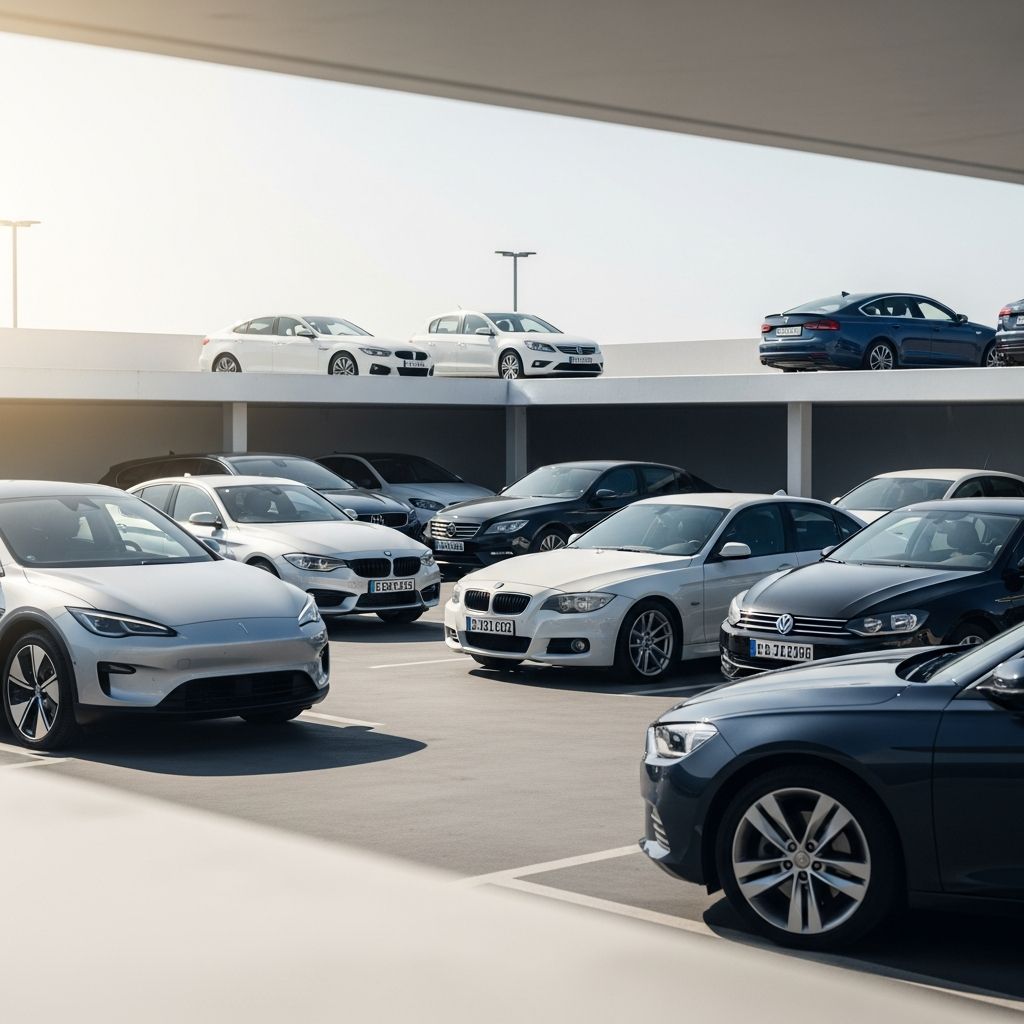
The question of how long to keep a vehicle is one that many car owners grapple with throughout their driving years. Whether driven by economic considerations, changing life circumstances, or simply the desire for something new, the decision to replace a vehicle is deeply personal. However, understanding the broader patterns of vehicle ownership can provide valuable insights into typical ownership timelines and what drives these decisions across different demographics and regions.
Understanding the National Average for Vehicle Ownership
When examining vehicle ownership patterns across the United States, the data reveals interesting trends about how long Americans retain their automobiles. According to comprehensive automotive research, the average length of car ownership for new vehicle buyers stands at approximately 8.4 years. This figure represents a significant shift from historical patterns and reflects changing consumer behaviors, economic conditions, and vehicle reliability improvements.
Beyond the initial ownership period, the broader automotive fleet tells a different story. The average age of vehicles currently in operation across the country has climbed to 12.8 years, indicating that many vehicles continue to circulate through multiple owners and remain on roadways well beyond the initial purchase decision. This distinction between the average ownership duration for original buyers and the overall fleet age demonstrates how vehicle longevity has extended in recent years.
Vehicle Segments and Ownership Duration Patterns
Different categories of vehicles experience varying ownership patterns, with some segments seeing notably longer retention periods than others. Understanding these variations can help prospective buyers make informed decisions based on their own priorities and expectations.
Sport Utility Vehicles and Extended Ownership
Sport utility vehicles demonstrate particularly strong retention rates among owners. Within this segment, certain models stand out for their longevity. The Toyota Land Cruiser leads the pack, with owners keeping these vehicles for an average of 11.4 years, making it the most retained vehicle across all categories. Other SUVs that owners tend to keep longer include the Ford Expedition (10.1 years), Toyota 4Runner (10.0 years), and Toyota Sequoia (9.9 years).
These extended ownership periods in the SUV category likely reflect several factors: the durability and reliability associated with these models, their perceived utility value, higher initial purchase costs that encourage longer ownership to recover the investment, and their capability to handle diverse driving conditions and family needs over extended periods.
Sedan and Passenger Car Ownership Duration
Passenger cars, including sedans, hatchbacks, and wagons, show more moderate ownership retention compared to their SUV counterparts. The Toyota Avalon leads this category with owners retaining the vehicle for an average of 9.7 years. Following closely are the BMW 3 Series and Toyota Camry, each averaging approximately 9.5 years. The Honda Accord rounds out the top performers at 9.4 years.
These ownership durations suggest that sedan buyers appreciate the combination of reliability, comfort, and fuel efficiency these vehicles offer, though at slightly shorter intervals than their SUV-driving counterparts.
Popular Vehicle Models and Market Reality
It’s worth noting that the vehicles owners keep longest are not necessarily the most popular vehicles on the road. Among America’s best-selling models, ownership duration tends to cluster more closely around the national average. The Ford Explorer shows the longest retention among popular vehicles at 9.6 years, followed by the Toyota Camry at 9.5 years, Honda Accord at 9.4 years, and Toyota Highlander at 9.1 years.
Pickup Trucks and Steady Ownership
Pickup trucks represent a distinct segment with relatively consistent ownership patterns. As a category, pickup trucks are retained longer than the overall vehicle average, with owners keeping them for approximately 8.7 years compared to the overall average of 8.4 years. The longest-retained pickup truck is the Nissan Frontier, kept for an average of 9.1 years. The consistency across the pickup truck segment, with ownership durations ranging from 8.5 to 9.1 years, suggests that truck owners have relatively uniform expectations about vehicle utility and replacement cycles.
Geographic Variations in Vehicle Ownership
Vehicle ownership duration is not uniform across the United States, with significant regional variations reflecting local economic conditions, transportation needs, and consumer preferences. Metropolitan areas show notable differences in how long residents keep their vehicles:
| Metropolitan Area | Most Retained Vehicle Model | Average Ownership Duration (Years) |
|---|---|---|
| Los Angeles, CA | Toyota Land Cruiser | 12.7 |
| Chicago, IL | Toyota Land Cruiser | 12.5 |
| Houston, TX | Toyota Land Cruiser | 11.8 |
| Detroit, MI | Toyota Land Cruiser | 11.6 |
| Denver, CO | Toyota Land Cruiser | 11.3 |
| Atlanta, GA | Toyota Land Cruiser | 12.3 |
These geographic patterns reveal that residents in larger metropolitan areas, particularly those with higher costs of living and established transportation infrastructure, tend to keep their vehicles longer. This trend likely reflects economic factors, where maintaining an existing vehicle becomes more cost-effective than purchasing a new one, combined with regional preferences for vehicle types suited to local conditions.
Economic Factors Influencing Ownership Duration
Several interconnected economic considerations shape how long vehicle owners retain their automobiles. Vehicle pricing remains a critical factor—with new and used vehicle prices remaining elevated, owners frequently find it more economical to maintain their current vehicles rather than purchase replacements. This financial calculus encourages longer ownership periods and greater investment in vehicle maintenance and repairs.
Inflation and broader economic pressures further reinforce the trend toward extended vehicle ownership. When consumers face rising costs across multiple categories, keeping a paid-off or nearly paid-off vehicle becomes an attractive financial strategy. The supply chain disruptions experienced in recent years have also contributed to sustained high vehicle prices, perpetuating this ownership extension trend.
Additionally, modern vehicles are engineered for greater longevity than their predecessors. With proper maintenance, contemporary automobiles can reliably accumulate over 200,000 miles, making extended ownership both technically feasible and economically sensible for many drivers.
The Shift from Cars to Light Trucks
Consumer preferences have undergone a notable transformation over recent years, with a measurable pivot from traditional passenger cars toward light trucks and SUVs. This shift influences overall fleet composition and ownership patterns. Within this transition, passenger cars now average 14.5 years in service, while light trucks show gradual growth to 11.9 years.
This counterintuitive pattern—where passenger cars show higher average age despite lower new sales—suggests that car owners are retaining their vehicles longer due to reduced new car purchases in this category, while light truck owners tend to replace their vehicles more frequently given the continued popularity and availability of new truck models.
Mileage Accumulation and Ownership Duration
Understanding the relationship between ownership duration and mileage accumulation provides practical insight into vehicle lifespan expectations. U.S. drivers average approximately 13,596 miles annually, meaning that an 8.4-year ownership period typically corresponds to roughly 114,000 miles of accumulated driving.
For vehicles retained longer, secondary owners can expect to accumulate additional mileage. An average vehicle at 12.6 years of age would have approximately 171,310 miles. This extended mileage accumulation underscores the importance of consistent maintenance practices, as vehicles operating at higher mileage require more rigorous upkeep to maintain reliability and safety.
Factors That Influence When Owners Replace Vehicles
Beyond the statistical averages, several factors drive individual decisions about when to replace a vehicle:
- Maintenance Costs: As vehicles age, repair expenses often increase. When maintenance costs approach or exceed vehicle payments for a new automobile, replacement becomes financially attractive.
- Technological Advances: New vehicles offer improved fuel efficiency, safety features, and connectivity options that may appeal to owners seeking these enhancements.
- Life Changes: Family expansion, relocation, or shifts in transportation needs may prompt vehicle replacement before reaching the statistical average ownership duration.
- Warranty Coverage: The expiration of manufacturer warranties often coincides with increased repair responsibilities and costs, influencing replacement decisions.
- Market Conditions: Vehicle values, trade-in offers, and overall market conditions affect the financial attractiveness of trading in existing vehicles.
- Personal Preferences: Some owners prioritize vehicle variety and enjoy the experience of driving new automobiles, while others prefer the familiarity and cost predictability of established vehicles.
Maximizing Your Vehicle’s Ownership Lifespan
For owners seeking to extend their vehicle ownership duration beyond average periods, several strategies prove effective. Consistent preventive maintenance—including regular oil changes, fluid checks, and scheduled service appointments—represents the foundation of vehicle longevity. Addressing minor issues promptly prevents them from escalating into expensive repairs that might otherwise justify replacement.
Driving habits significantly impact how long vehicles remain reliable and functional. Smoother acceleration, moderate speeds, and gentle braking reduce wear on engine components and brake systems. Protecting vehicles from harsh environmental conditions through garage storage or protective covers extends the lifespan of exterior components.
Keeping detailed maintenance records demonstrates the vehicle’s care history, which becomes important should you eventually sell the vehicle. These records help justify ownership duration and support future resale value.
Understanding the Future of Vehicle Ownership Patterns
As the automotive industry evolves, ownership patterns may continue to shift. The transition toward alternative propulsion technologies, including electric and hybrid vehicles with different maintenance requirements, will likely influence future ownership durations. Additionally, changing consumer preferences, improved vehicle reliability, and economic conditions will shape how long the next generation of car owners retains their vehicles.
The data suggests that ownership duration reflects a complex interplay of economic necessity, personal preference, vehicle category, and geographic location. While the national average of 8.4 years provides a helpful benchmark, individual circumstances and priorities ultimately determine the optimal ownership duration for each driver.
Frequently Asked Questions About Vehicle Ownership Duration
What is the typical length of car ownership in the United States?
The average new car buyer retains their vehicle for approximately 8.4 years. However, this can vary significantly based on vehicle type, location, and individual circumstances.
Which vehicles do owners keep the longest?
The Toyota Land Cruiser leads all vehicles with an average ownership duration of 11.4 years, followed by the Chevrolet Corvette at 10.5 years and Mercedes-Benz SL-Class at 10.3 years.
How does vehicle age relate to maintenance costs?
As vehicles age, maintenance and repair costs typically increase. However, modern vehicles engineered for durability can reliably operate well beyond 200,000 miles with proper maintenance, making extended ownership economically viable for many owners.
Are pickup trucks kept longer than other vehicle types?
Pickup trucks are retained longer than the overall average, with an average ownership duration of 8.7 years compared to 8.4 years nationally. This reflects their utility value and relatively consistent demand in the marketplace.
Do vehicle ownership patterns vary by region?
Yes, significant regional variations exist. Metropolitan areas like Los Angeles, Chicago, and Atlanta show longer average ownership durations, ranging from 10.3 to 12.7 years, compared to the national average.
References
- How Long Do People Keep Their Cars? — iSeeCars. Accessed 2026. https://www.iseecars.com/how-long-people-keep-cars-study
- Federal Highway Administration Annual Data — U.S. Department of Transportation. Accessed 2026. https://www.bts.gov/content/average-age-automobiles-and-trucks-operation-united-states
- Average Age of Vehicles in the US Hits 12.8 Years in 2025 — S&P Global Mobility. 2025. https://www.spglobal.com/automotive-insights/en/blogs/2025/05/average-age-of-vehicle-in-us
Similar Articles








Read full bio of medha deb