Identifying Vehicle Odors: A Diagnostic Guide
Learn what common car smells mean and how to address them before they become costly repairs.
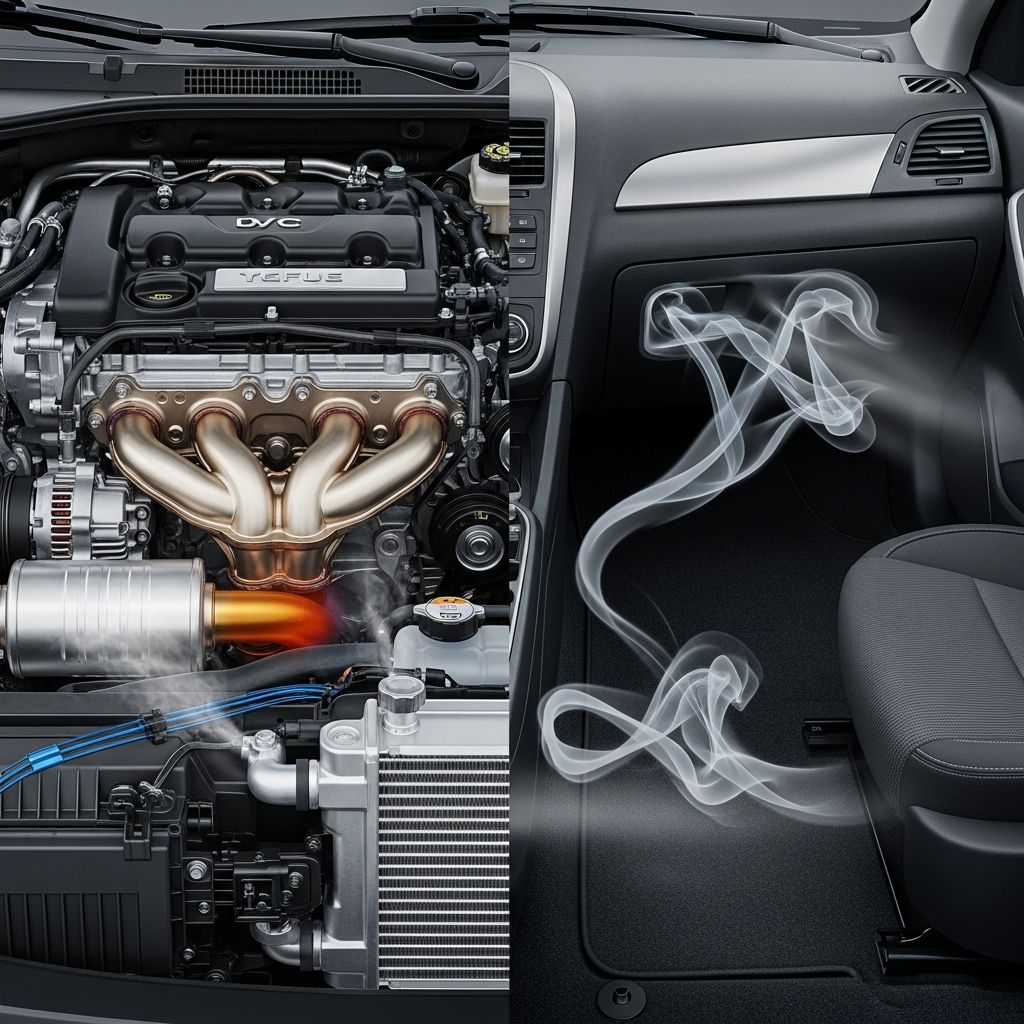
Your vehicle communicates problems in multiple ways, and one of the most distinctive is through smell. Whether you notice something unusual when starting your car, driving with the windows down, or sitting in traffic, odors can provide valuable insight into your vehicle’s condition. Rather than simply masking these smells with air fresheners, understanding what they indicate allows you to address underlying issues before they become expensive repairs.
The Significance of Odor Detection in Vehicle Maintenance
Recognizing unusual smells in your vehicle is an essential part of responsible car ownership. Many mechanical and electrical problems produce distinctive odors that appear before visible damage occurs or warning lights activate. By paying attention to these olfactory clues, you can catch problems early, potentially saving thousands of dollars in repair costs and preventing safety hazards.
Different components of your vehicle produce different smells when they malfunction or deteriorate. These odors range from sweet to pungent, from subtle to overwhelming. Some indicate urgent safety concerns, while others suggest preventive maintenance is needed soon.
Sweet and Chemical Odors: Coolant System Issues
A distinctive sweet smell emanating from your vehicle often indicates a coolant leak in your engine bay. Antifreeze contains ethylene glycol, which produces this recognizable sweet aroma when it escapes the cooling system. These leaks can occur at connection points, hoses, or the radiator itself.
Coolant leaks demand prompt attention because your engine relies on this fluid to maintain proper operating temperature. Without adequate coolant, your engine can overheat, potentially causing catastrophic damage to internal components. Additionally, the sweet smell becomes more noticeable as your car operates and the leak worsens.
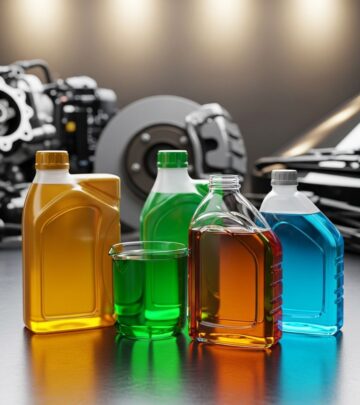
To identify a coolant leak, check under your vehicle for colored fluid (typically green, pink, or orange) on your driveway or parking spot. Inspect your radiator hose connections and the radiator itself for signs of weeping or dripping. If you notice this smell, schedule an appointment with a qualified mechanic promptly.
Acrid Chemical Odors: Fluid Leaks and Electrical Issues
Sharp chemical smells can indicate leaks from various vehicle fluids, including brake fluid, power steering fluid, or transmission fluid. These odors are often accompanied by a chemical taste in the air and may intensify as your vehicle warms up.
More concerning is when a chemical smell resembles burning plastic or has an electrical quality. This can indicate a malfunctioning alternator, damaged wiring, or other electrical system problems. Electrical burning smells represent potential fire hazards and should be addressed immediately by a professional mechanic.
If you detect a chemical smell, avoid prolonged operation of your vehicle. Visit a repair facility to have your fluid levels checked and your electrical systems inspected. Many modern vehicles have multiple fluid reservoirs, so identifying which fluid is leaking requires professional diagnostics.
Rotten Egg Odors: Emission System Failures
One of the most unpleasant vehicle odors is a rotten egg smell, which typically indicates a problem with your catalytic converter. The catalytic converter is a critical emission control device that converts harmful sulfur gases from your exhaust into safer compounds. When this component malfunctions or overheats, sulfur gases build up in the exhaust system, creating the distinctive rotten egg aroma.
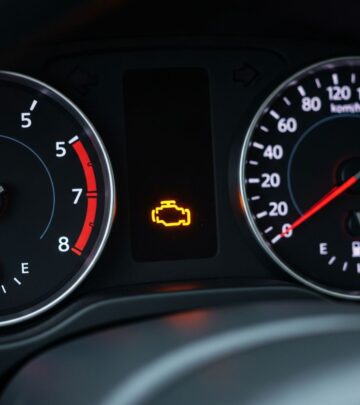
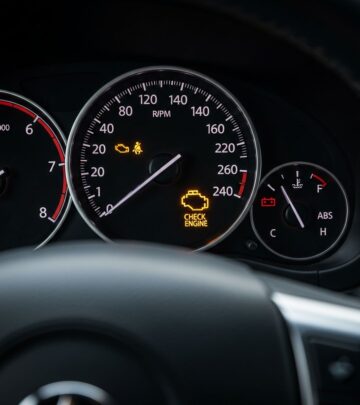
A failing catalytic converter can result from various engine problems, including a misfiring engine or faulty oxygen sensors. The converter itself may be clogged or internally damaged. Addressing this issue quickly is essential because a malfunctioning catalytic converter decreases fuel efficiency, reduces engine performance, and will eventually trigger your check engine light.
Catalytic converter replacement is a significant expense, so early diagnosis is important. If you notice this smell, have your vehicle scanned for diagnostic trouble codes at a mechanic’s shop. They can determine whether the converter needs cleaning, repair, or replacement.
Musty and Moldy Odors: Moisture and Air Conditioning Problems
A musty or moldy smell when you activate your air conditioning indicates moisture accumulation in your cooling system. The air conditioning evaporator, located inside your vehicle’s dashboard, can develop mold and mildew growth when moisture becomes trapped inside the component.
This issue commonly occurs when your air conditioning system hasn’t been used regularly, or when your cabin air filter has become clogged and dirty. A dirty cabin filter restricts airflow and allows moisture to accumulate in the evaporator core. Additionally, if your air conditioning system has a refrigerant leak or a clogged condenser, moisture cannot properly drain from the system.
To address this problem, have your cabin air filter inspected and replaced if necessary. A mechanic can also perform anti-bacterial cleaning of your air conditioning system. Regular use of your air conditioning, even during winter months, helps prevent moisture buildup by circulating air through the system. Consider recharging your air conditioning system every two years if you use it frequently.
Water-Related Odors: Identifying Moisture Leaks
Beyond air conditioning-related smells, a musty odor can indicate water leakage inside your vehicle’s interior. Door seals, windshield gaskets, and trunk weatherstripping can deteriorate over time, allowing water to enter your cabin. As moisture accumulates, it creates an environment where bacteria and mold thrive, producing the unpleasant musty smell.
Water leaks often go unnoticed initially because they may occur only during heavy rain or high-pressure car washes. Over time, however, the trapped moisture creates visible stains on carpeting and upholstery, along with the distinctive odor. This type of leak can damage your vehicle’s interior components and create health concerns from prolonged mold exposure.
To prevent water-related odors, regularly inspect your vehicle’s seals during routine maintenance. Remove floor mats after rain and allow them to dry completely before reinstalling them. If you detect a musty smell, check under your carpeting and around your doors for moisture. Professional water detection services can pinpoint leak locations using moisture meters.
Burning Plastic and Rubber: Engine and Friction Issues
A burning plastic smell can originate from several sources within your vehicle. One common cause is worn brake pads that have become thin from normal friction and wear. As they approach the end of their service life, the metal backing plate contacts the rotor, producing both a burning smell and a high-pitched noise. If your brake pads are brand new, the smell may dissipate after light braking cycles as the brake material acclimates to operating temperatures.
Another cause of burning plastic odor is when plastic components inside your engine bay make contact with hot engine surfaces or the exhaust manifold. This can happen if insulation has loosened, if a plastic part has shifted from its mounting location, or if plastic tubing has been routed too close to heat sources. Melting plastic creates an acrid smell and can potentially create fire hazards if the situation isn’t corrected.
Burning rubber smells typically indicate friction between rubber components and other surfaces. This can result from worn serpentine belts, timing belts, or drive belts slipping on their pulleys. Loose hoses or misaligned components can also create friction that generates heat and rubber odor. These issues should be inspected promptly because continuing to operate your vehicle with slipping belts can lead to alternator failure or engine overheating.
Exhaust Fumes: Dangerous Leaks Requiring Immediate Attention
If you notice exhaust fumes inside your vehicle’s cabin, your exhaust system has a leak that allows toxic gases to enter your passenger compartment. Exhaust contains carbon monoxide, a colorless, odorless gas that causes serious health effects at high concentrations. Even if you primarily smell the fumes when stationary or at low speeds, the presence of exhaust inside the cabin indicates a significant safety problem.
Exhaust system leaks can occur at the manifold, catalytic converter, muffler, or tailpipe. Rust and corrosion are common culprits as these metal components age. Road damage from debris or impacts can also create cracks or holes in exhaust components. Have your exhaust system inspected immediately if you detect fumes inside the vehicle, and avoid driving the vehicle until repairs are completed.
Prevention Strategies and Maintenance Recommendations
Regular Cleaning and Inspection
Maintaining a clean vehicle interior reduces odor-related issues. Vacuum your carpets and seats regularly to remove debris that can trap moisture and create smells. Wipe down interior surfaces with appropriate cleaners, and address spills immediately before they dry and create stubborn odors.
Fluid Level Monitoring
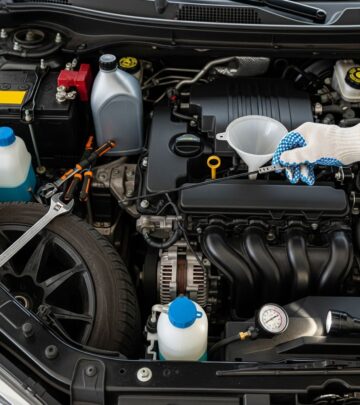
Check your coolant, brake fluid, power steering fluid, and transmission fluid levels at least monthly. Catching leaks early prevents odors from developing and reduces the risk of mechanical failure. Most vehicles have transparent fluid reservoirs that allow you to check levels without opening the cap.
Air Conditioning Maintenance
Use your air conditioning system regularly throughout the year, regardless of season. Operating the system circulates refrigerant through the evaporator, which helps prevent moisture accumulation. Have your refrigerant recharged every two years, and ask your mechanic to perform anti-bacterial cleaning during this service.
Seal and Gasket Inspection
During routine maintenance, ask your mechanic to inspect door seals, window gaskets, and trunk weatherstripping. These rubber components deteriorate gradually and may need replacement to prevent water intrusion. Replacing worn seals prevents costly water damage to interior components.
Cabin Air Filter Replacement
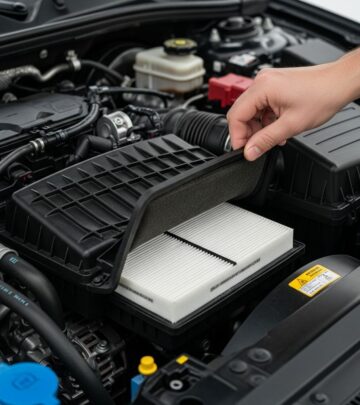
Your vehicle’s cabin air filter traps dust, pollen, and debris before it enters your passenger compartment. Over time, this filter becomes clogged and restricts airflow. A clogged filter can contribute to both musty odors and reduced air conditioning efficiency. Replace your cabin air filter every 12,000 to 15,000 miles or at least annually.
When to Seek Professional Diagnosis
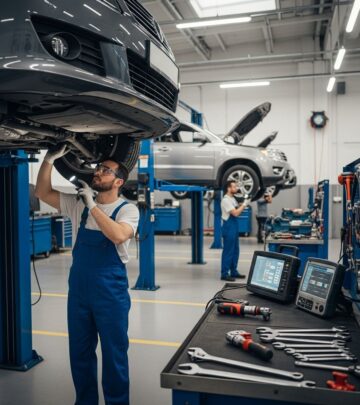
While some vehicle odors indicate maintenance needs you can address yourself, others require professional diagnostics. If you’re uncertain about an odor’s cause, or if the smell is accompanied by warning lights, rough running, decreased performance, or unusual noises, schedule an appointment with a qualified mechanic.
Professional mechanics have specialized equipment to diagnose electrical problems, detect refrigerant leaks, and perform emission system testing. They can also perform computer diagnostics that read trouble codes stored in your vehicle’s engine control module, providing specific information about what triggered warning lights or performance issues.
Common Diagnostic Outcomes and Solutions
| Odor Description | Likely Cause | Recommended Action | Urgency Level |
|---|---|---|---|
| Sweet aroma | Coolant leak | Schedule mechanic appointment | High |
| Burning plastic | Electrical issue or brake pads | Immediate inspection needed | High |
| Rotten eggs | Catalytic converter failure | Diagnostic scan required | Medium-High |
| Musty/moldy from AC vents | Evaporator moisture or dirty cabin filter | Filter replacement and system cleaning | Medium |
| Exhaust fumes in cabin | Exhaust system leak | Immediate professional inspection | Critical |
| Burning rubber | Belt friction or wear | Belt inspection and possible replacement | Medium |
Frequently Asked Questions About Vehicle Odors
Is a new car smell harmful?
New vehicle smell results from off-gassing of plastics, leather, and adhesives in your vehicle. While this smell is generally not immediately harmful, it is caused by volatile organic compounds (VOCs). Prolonged exposure in enclosed spaces can cause minor health concerns, which is why many people crack windows when driving new vehicles.
Can I use air fresheners to mask these smells?
While air fresheners can temporarily mask odors, they don’t address underlying problems. Using air fresheners to cover up a mechanical issue can delay necessary repairs and allow the problem to worsen. Address the root cause of the smell, then use air fresheners if desired.
How quickly should I address a chemical smell?
Chemical smells, particularly those resembling burning plastic or electrical fires, should be addressed immediately. Stop driving the vehicle and have it inspected by a mechanic as soon as possible. Electrical fires can develop rapidly if the underlying problem isn’t corrected.
Can I clean my air conditioning system myself?
While you can replace your cabin air filter yourself on most vehicles, professional anti-bacterial cleaning of your air conditioning system requires specialized equipment. Mechanics use disinfectant chemicals that circulate through the evaporator core, killing mold and bacteria. This service is inexpensive and worth the investment for prevention.
What should I do if I can’t identify a smell’s source?
If you’re uncertain about a smell’s origin, trust your instincts and have it inspected professionally. Mechanics are trained to identify odor sources and can perform diagnostics that help pinpoint problems. It’s better to have a false alarm than to ignore a smell that indicates a genuine safety hazard.
References
- Car smells guide – causes and solutions — RAC Drive. Accessed 2026. https://www.rac.co.uk/drive/advice/car-maintenance/car-smells-guide-causes-and-solutions/
- 8 Common Car Smells and What They Mean for Your Vehicle — Hales Automotive. Accessed 2026. https://halesautomotive.com/8-wierd-car-smells-and-their-causes/
Similar Articles








Read full bio of Sneha Tete