Turn Your Vehicle Into Income: Comprehensive Monetization Guide
Discover multiple proven methods to generate revenue using your car
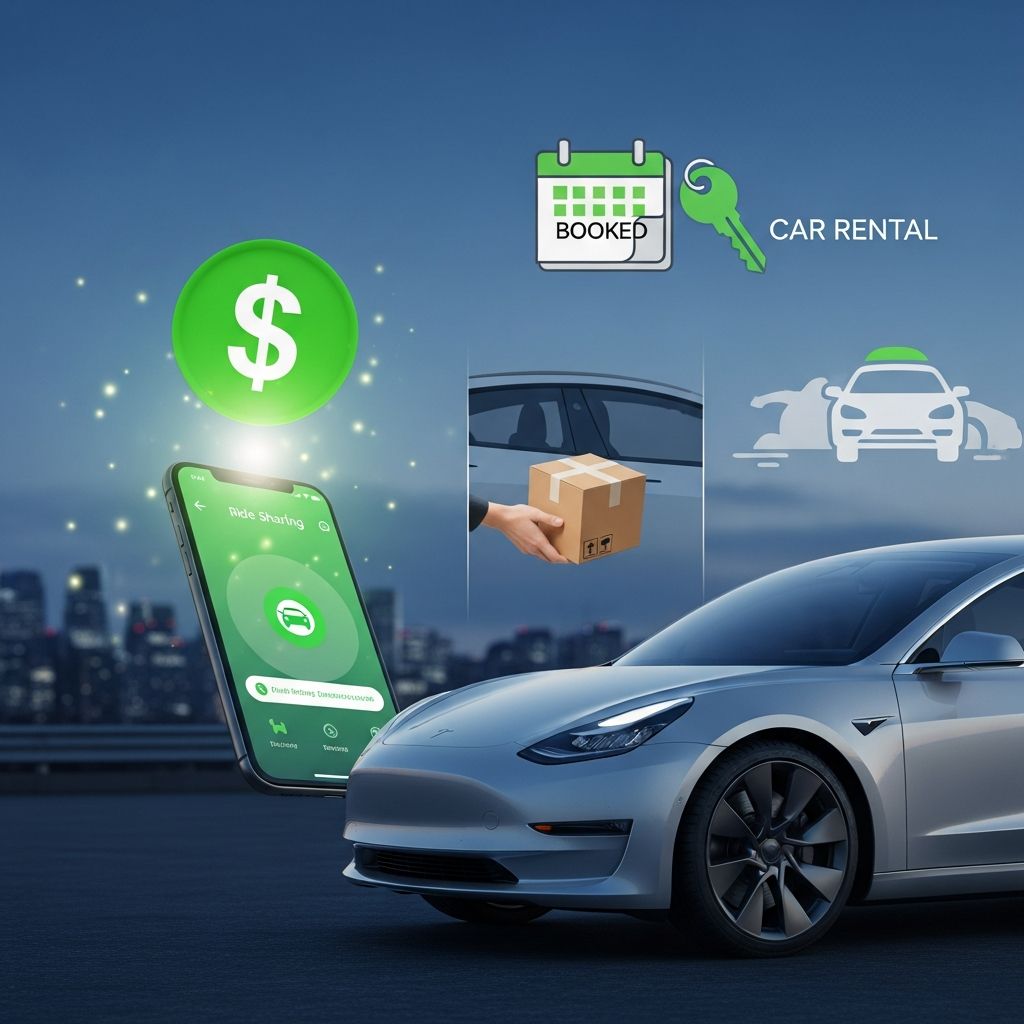
Your automobile represents far more than just a transportation investment—it can serve as a productive asset capable of generating substantial additional income. Whether you drive a compact sedan, a spacious SUV, or a capable truck, numerous opportunities exist to leverage your vehicle’s potential and convert it into a reliable revenue stream. The landscape of vehicle monetization has expanded dramatically over recent years, offering flexible options suitable for various driving styles, schedules, and comfort levels.
Understanding Your Vehicle’s Income Potential
Before selecting a monetization strategy, consider several fundamental factors about your situation. Your vehicle type, driving frequency, location, and personal preferences all influence which income methods will work best for you. Some approaches require consistent daily engagement, while others operate on a more passive basis. Understanding these distinctions helps you identify the most suitable opportunities that align with your lifestyle and financial goals.
The earning potential varies significantly depending on your chosen method. Some strategies might generate supplementary income covering gas and maintenance costs, while others can develop into substantial secondary income sources. The key lies in selecting approaches that match your circumstances and commitment level.
Active Driving Income Opportunities
Ridesharing Platforms
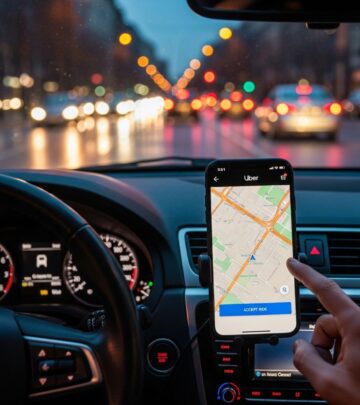
Ridesharing services like Uber and Lyft represent one of the most accessible ways to monetize your driving time. These platforms connect drivers with passengers seeking transportation, with earnings typically based on distance traveled and surge pricing during peak demand periods. A single ride might generate between $2-5 for short distances, though rush hour trips across town can yield considerably more.
To participate in ridesharing, your vehicle must meet specific requirements, including being a four-door sedan or SUV in well-maintained condition. The platforms handle passenger matching through their apps, allowing you to accept rides that fit your availability. This flexibility makes ridesharing particularly attractive for those seeking to monetize existing commute time or fill gaps in their schedules.
Delivery Services and Gig Driving
Food and package delivery represent lucrative alternatives to traditional ridesharing. Platforms like DoorDash, UberEats, Postmates, and GrubHub enable drivers to earn per-delivery payments plus customer tips. Alternatively, crowdsourced delivery services such as Roadie offer flexible earning opportunities for those willing to transport items rather than people.
With Roadie, drivers can earn up to $13 per local delivery, with opportunities for higher earnings through multi-stop trips and specialized cargo certifications. These services appeal to drivers who prefer solo driving without passenger interaction. UPS Flex offers another avenue, providing package delivery opportunities during peak seasons with mileage reimbursement when using personal vehicles.
Specialized Transport Services
If your vehicle includes cargo capacity—whether through a truck bed, SUV interior, or trailer—specialized transport creates premium earning opportunities. Services like Sharetown connect vehicle owners with people needing furniture or mattress delivery. Top representatives on these platforms earn over $4,000 monthly, though this requires a truck or SUV and appropriate storage space.
These opportunities appeal to individuals willing to handle bulky items and manage inventory logistics. The demand for furniture delivery remains consistently high, as most consumers lack the means to transport large purchases independently.
Passive and Semi-Passive Income Streams
Vehicle Rental Services
Car-sharing marketplaces enable vehicle owners to generate income without driving themselves. Platforms like Turo and Getaround facilitate peer-to-peer vehicle rentals, allowing you to lease your car to other users for specified periods. On Turo, full-size pickups rent for $100-140 daily, meaning even occasional monthly rentals can generate meaningful income.
Getaround serves over 2 million users across the United States, providing a legitimate and established platform for vehicle monetization. These services handle key logistics through their apps, manage pricing based on market rates, and offer insurance options for both owner and renter protection. Building strong rental reviews increases earning potential as customers prefer highly-rated vehicles.
Vehicle Advertising and Wrapping
Converting your car into a mobile billboard requires minimal effort beyond normal driving patterns. Companies like Wrapify, Carvertise, and Nickelytics pay drivers to display advertisements on their vehicles. Earnings depend on advertisement size and campaign duration.
With Wrapify, partial wraps earn approximately $181-280 monthly, while full vehicle wraps generate $264-452 monthly. Carvertise campaigns pay between $450-1,500 per campaign. To qualify, vehicles typically must be in good condition, manufactured after 2010, and owners must be at least 21 years old with acceptable driving records. Carvertise appeals particularly to existing rideshare or delivery drivers, allowing simultaneous monetization of driving time.
Practical Considerations for Success
Expense Management
Vehicle monetization requires careful expense calculation. Drivers remain responsible for fuel costs, insurance coverage, and routine maintenance regardless of the platform used. Many income calculations don’t account for these expenses, so evaluating net earnings after costs proves essential. Tracking mileage enables tax deductions and provides clarity on true profitability.
Insurance and Legal Requirements
Standard personal auto insurance often excludes commercial driving use. Platforms sometimes provide limited coverage, but you should independently verify whether your policy covers your chosen monetization activity. Some areas require special licensing or permits for certain services, making local research essential before launching.
Vehicle Maintenance and Longevity
Increased driving accelerates wear and tear, requiring more frequent maintenance. Factor replacement intervals for oil, filters, tires, and brakes into your expense calculations. This consideration proves especially important for high-mileage services like delivery driving.
Comparing Income Strategies
| Strategy | Earning Potential | Active/Passive | Vehicle Requirements | Time Commitment |
|---|---|---|---|---|
| Ridesharing | $2-25+ per ride | Active | 4-door sedan/SUV | Flexible |
| Food Delivery | $6,000-10,000 annually | Active | Any vehicle | Flexible |
| Item Delivery (Roadie) | $13+ per delivery | Active | Any vehicle | Flexible |
| Car Rental (Turo) | $100-140 daily | Passive | Any vehicle | Minimal |
| Vehicle Wrapping | $181-452 monthly | Passive | Good condition | None |
| Carvertise Campaign | $450-1,500 per campaign | Passive | Any vehicle | None |
Maximizing Your Earning Potential
Multiple Stream Strategy
The most successful vehicle monetizers often combine multiple strategies. An existing Uber driver might simultaneously run Carvertise advertising, or a rideshare operator might accept delivery requests through alternative platforms during slower periods. This diversification spreads risk and maximizes earning time.
Strategic Timing and Location
Earnings fluctuate significantly based on geography and timing. Urban areas typically offer higher per-ride payments and more consistent demand, while rural regions provide fewer but sometimes longer-distance opportunities. Peak hours—typically lunch and evening commute times—generate surge pricing premiums. Understanding your local market dynamics informs when to increase availability.
Vehicle Condition and Appearance
Well-maintained vehicles attract better ratings and opportunities. Regular cleaning, prompt repairs, and professional appearance matter for ridesharing and rental platforms. Some users prefer newer vehicles and reward them with higher ratings, directly impacting earning potential through algorithm prioritization.
Addressing Common Questions
How quickly can I start earning?
Most platforms approve applications within days, with some providing immediate access. However, initial earnings ramp-up takes time as you build customer ratings and understand optimal strategies within each platform.
What if my vehicle is older?
While some platforms require vehicles manufactured after 2010, others accept older vehicles for delivery and ridesharing. Advertising platforms have stricter age requirements, but rental services generally accept vehicles of various ages if well-maintained.
Can I make this my full-time income?
Yes, but it requires treating vehicle monetization as a serious business. Dedicated drivers managing multiple platforms and optimizing their schedules can generate substantial full-time income, though expenses and variable demand create income inconsistency.
Do I need commercial insurance?
This depends on your chosen activity and local regulations. Ridesharing and delivery driving typically require commercial or rideshare-specific insurance policies. Passive advertising and vehicle rentals may fall under standard coverage, but verification with your insurer proves essential.
Getting Started With Vehicle Monetization
Begin by assessing your circumstances honestly. Evaluate your vehicle type, available time, location, comfort level with various activities, and financial objectives. Research each platform thoroughly, understanding payment structures, requirements, and user reviews before committing.
Start with one or two strategies to minimize complexity while you learn platform nuances. Gradually expand to additional services as you develop expertise and optimize your approach. Track all expenses meticulously—fuel, maintenance, insurance—to understand true profitability.
Stay informed about platform policy changes and local regulations affecting vehicle-based gig work. As this industry continues evolving, maintaining awareness of new opportunities and requirements ensures you maximize earning potential while protecting your interests.
Conclusion
Your vehicle represents an underutilized asset capable of generating meaningful supplementary or even primary income. Whether you choose active strategies like ridesharing and delivery, passive approaches like advertising and rentals, or a combination thereof, numerous pathways exist to monetize your transportation investment. By carefully evaluating options, managing expenses, and maintaining professional standards, you can unlock your vehicle’s financial potential while maintaining flexibility around your existing commitments.
References
- 26 Best Driving Apps to Make Money With Your Car — Side Hustle Nation. 2025. https://www.sidehustlenation.com/driving-apps-to-make-money/
- 7 Ways to Make Money with Your Car — RateGenius. 2025. https://www.rategenius.com/make-money-with-your-car
- 13 Creative Ways to Make Money with Your Car — Roadie Drivers. 2025. https://driver.roadie.com/blog/make-money-with-your-car/
Similar Articles








Read full bio of Sneha Tete