Understanding Vehicle Liens and Title Ownership
Learn how liens affect your car title and what it means for ownership
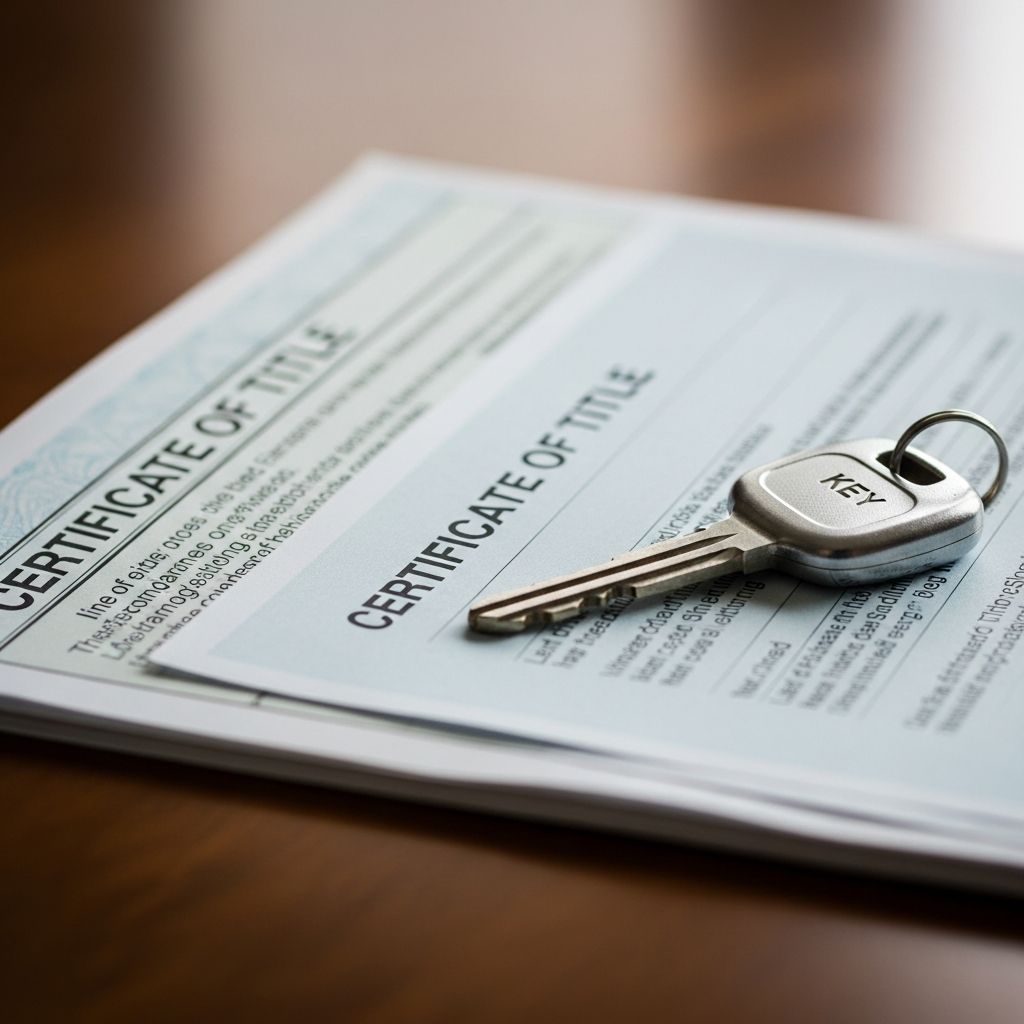
When you purchase a car with financing, the lender typically places a lien on the vehicle’s title. This legal claim protects the lender’s financial interest in the car until you complete your loan payments. Understanding how liens work is essential for any car buyer or owner with an auto loan, as it directly impacts your ownership rights and what you can do with the vehicle.
What Exactly Is a Vehicle Lien?
A vehicle lien is a legal claim that a lender places on your car’s title when you finance the purchase. When a lien is present, the lender has a right to the vehicle if you fail to make your loan payments. The lien remains in place throughout your loan term and appears on your vehicle’s title documentation. This means the lender’s name is recorded with your state’s motor vehicle department, creating an official record of their financial interest.
Think of a lien as a form of collateral protection. The car itself serves as security for the loan you received. If you default on your payments, the lender can repossess the vehicle to recover their losses. This arrangement protects both the lender and encourages borrowers to maintain their payment schedules.
The Relationship Between Liens and Vehicle Ownership
It’s important to understand that having a lien on your car doesn’t mean you don’t own the vehicle. You are the owner, but your ownership is subject to the lender’s rights. The title document reflects this arrangement by listing both your name as the owner and the lender’s name as the lienholder.
This dual ownership structure means you can drive the car, maintain it, and use it for personal purposes. However, certain actions are restricted while a lien exists:
- You cannot sell the vehicle without the lender’s permission and involvement
- You cannot transfer the title to another person
- You cannot use the car as collateral for another loan
- You may have limitations on what modifications you can make
Once you pay off your auto loan in full, the lender will release the lien, and you’ll receive a clear title showing you as the sole owner with no lienholder listed.
How Liens Appear on Your Vehicle Title
Your vehicle’s title is a legal document issued by your state’s Department of Motor Vehicles that establishes ownership and records any liens. When you finance a car purchase, the lender’s name appears on this title document. Different states format titles differently, but they all include a specific section for lienholder information.
The title clearly identifies:
- The registered owner of the vehicle
- The lienholder’s name and address
- The vehicle’s identification number (VIN)
- Make, model, and year of the vehicle
- Odometer reading at the time of registration
You should receive a copy of your title showing the lien, and this document is important to keep in a safe place. If you ever lose it, you can request a replacement from your state’s motor vehicle department.
Types of Liens on Vehicles
While most vehicle liens result from auto loans, other types of liens can be placed on a car’s title in specific circumstances.
Security Interest Liens
A security interest lien is the most common type, created when you borrow money specifically to purchase a vehicle. The loan agreement establishes this lien automatically.
Judgment Liens
If a court rules against you in a lawsuit and awards money to a creditor, that creditor may place a judgment lien on your vehicle to ensure payment of the debt.
Mechanic’s Liens
An auto repair shop may place a lien on your vehicle if you fail to pay for significant repair work or maintenance performed on the car.
Tax Liens
Government agencies may place tax liens on vehicles if the owner owes outstanding taxes to federal or state authorities.
Understanding the Lender’s Rights
When a lender holds a lien on your vehicle, they have specific legal rights designed to protect their investment. The most significant right is the ability to repossess the vehicle if you default on your loan payments. Repossession typically occurs after you’ve missed several consecutive payments, though the exact trigger varies by state and loan agreement.
The lender also has the right to:
- Monitor the vehicle’s condition and require maintenance
- Require comprehensive insurance coverage on the vehicle
- Place GPS tracking devices on the vehicle in some circumstances
- Take legal action to collect unpaid debt
- Charge late fees and additional interest for missed payments
These rights exist because the lender has a financial stake in the vehicle’s condition and your ability to repay the loan. They want to ensure the car maintains its value and that you’re meeting your financial obligations.
The Process of Removing a Lien from Your Title
Once you’ve paid off your auto loan completely, the lender must release the lien. This process, while straightforward, requires specific steps to ensure the lien is officially removed from your title.
Step One: Make Your Final Payment
Complete all remaining loan payments according to your agreement. Contact your lender to confirm the exact payoff amount, as this may include final interest charges and any outstanding fees.
Step Two: Request the Lien Release
Contact your lender and request a formal lien release or satisfaction of lien document. This official paperwork notifies the state that the debt has been paid and the lien should be removed. Some lenders provide this automatically upon final payment, while others require you to request it specifically.
Step Three: Submit Documentation to Your State
Take the lien release document to your state’s Department of Motor Vehicles along with your current title. Requirements vary by state, but generally you’ll need to complete a form requesting a new title without the lienholder information.
Step Four: Receive Your Clear Title
Once the DMV processes your paperwork and confirms the lien release, you’ll receive a new title certificate showing you as the sole owner with no lienholder listed. This clear title is important to keep safe for future reference or if you decide to sell the vehicle.
The time required to receive your clear title typically ranges from two to six weeks, depending on your state’s processing speed.
What Happens If You Sell Your Car While a Lien Exists
Selling a vehicle with a lien requires coordination between you, the buyer, and the lender. You cannot simply transfer the title to a new owner while the lien remains active. The typical process involves:
- The buyer and seller agreeing on a purchase price
- The buyer providing funds at closing
- Those funds going directly to the lender to pay off the remaining loan balance
- The lender releasing the lien and returning the title documents
- The seller transferring the clear title to the buyer
If the sale price exceeds the remaining loan balance, the lender releases their portion of the funds, and you receive the difference. If the sale price is less than what you owe, you’ll need to make up the difference from your own funds before the sale can complete. This situation is called being “upside down” on your loan.
Protecting Yourself as a Vehicle Owner
Understanding liens protects you from various risks and ensures you’re making informed decisions about vehicle financing. Here are key ways to protect yourself:
Review Loan Documents Carefully
Before signing your loan agreement, understand all terms, including interest rates, payment amounts, loan duration, and lender rights. Ask questions about anything unclear.
Maintain Insurance Coverage
Most lenders require comprehensive and collision insurance on financed vehicles. Maintaining proper coverage protects both you and the lender if the vehicle is damaged or totaled.
Make Payments On Time
Consistent, on-time payments prevent the risk of default and repossession. Set up automatic payments through your bank if possible to avoid missed deadlines.
Keep Your Vehicle in Good Condition
Regular maintenance and repairs help maintain the vehicle’s value and ensure it remains safe to drive. Your loan agreement may include specific maintenance requirements.
Keep Your Title in a Safe Place
Store your title document securely. If you lose it, request a replacement immediately from your state’s DMV.
How Liens Impact Vehicle Valuation
The presence of a lien doesn’t directly affect a vehicle’s market value, but it does impact what you can do with the vehicle. When determining what a car is worth, mechanics and appraisers consider the vehicle’s condition, mileage, age, and market demand—not the lien status.
However, the lien does affect the vehicle’s marketability. Buyers prefer purchasing clear-title vehicles because they don’t have to worry about the seller’s lender claiming the vehicle. If you’re trying to sell a financed vehicle, you may face difficulty finding buyers or may need to accept a lower price to account for the complication of the lienholder involvement.
Refinancing and Liens
If you refinance your auto loan, the original lender’s lien is replaced with a new lien from your refinancing lender. This process involves paying off the original loan completely with funds from the new loan, with the new lender becoming the lienholder. The title is updated to reflect the change in lienholder.
Refinancing can be advantageous if you qualify for a lower interest rate or better loan terms, as this reduces your total interest paid over the loan’s life.
Frequently Asked Questions About Vehicle Liens
Can I drive my car if there’s a lien on the title?
Yes, absolutely. Having a lien doesn’t prevent you from driving, maintaining, or using your vehicle for personal purposes. It only restricts your ability to sell, transfer, or use the car as collateral.
What happens if I don’t make my car payments?
After missing several payments (typically three to six months, depending on your loan agreement and state law), the lender can repossess your vehicle. This means they can legally take the car without court permission and sell it to recover their losses. You may still owe money if the sale price doesn’t cover the remaining loan balance, plus repossession and sale costs.
Can I remove a lien myself?
No. Only the lienholder can release a lien. You must work with your lender to obtain the official lien release documentation. Attempting to sell or transfer a vehicle with an active lien without the lienholder’s involvement is illegal.
How long does it take to get a clear title after paying off my loan?
The timeline varies by state and lender. Generally, expect two to six weeks from the time you submit your paperwork to your state’s DMV until you receive your new clear title.
Can multiple liens exist on one vehicle?
Yes, multiple liens can be placed on a vehicle, though this is uncommon. If it occurs, liens are satisfied in order of priority, typically determined by when they were recorded.
Does refinancing a car loan change the lien?
Yes. When you refinance, the original lender releases their lien, and your new lender becomes the lienholder. Your title will be updated to reflect this change.
References
- How Does Financing a Car Work? — Experian. 2024. https://www.experian.com/blogs/ask-experian/how-does-financing-a-car-work/
- Financing or Leasing a Car — Federal Trade Commission. 2024. https://consumer.ftc.gov/financing-or-leasing-car
- Everything You Need to Know About Car Loans — SCCU. 2024. https://www.sccu.com/articles/auto/the-essential-guide-to-car-loans
Similar Articles








Read full bio of medha deb