Understanding Your Vehicle Identification Number
Decode your VIN to unlock critical vehicle data and protect your investment
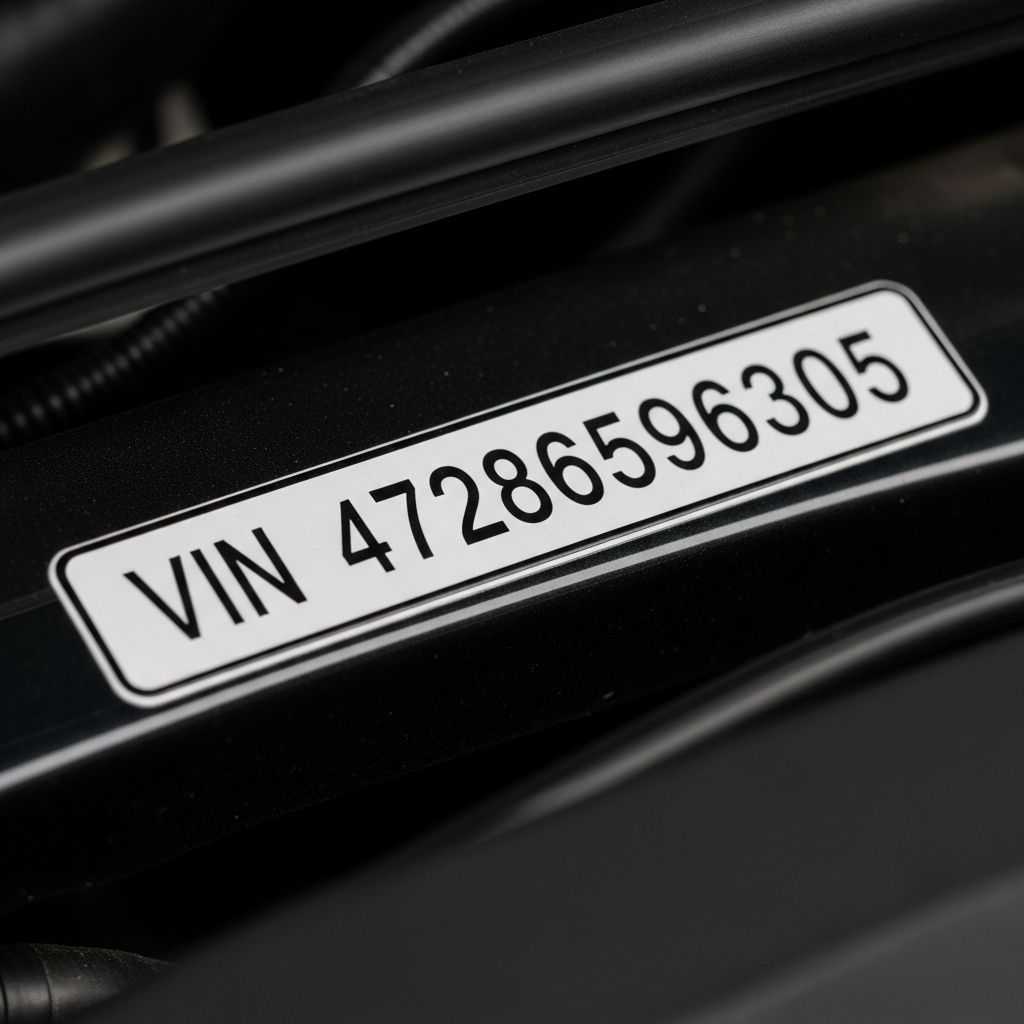
Every vehicle on the road carries a unique identifier that tells a comprehensive story about its origins, specifications, and history. This 17-digit alphanumeric code, known as a Vehicle Identification Number (VIN), serves as your car’s fingerprint in the automotive world. Whether you’re purchasing a used vehicle, scheduling maintenance, filing an insurance claim, or simply curious about your automobile’s background, understanding your VIN is essential for informed decision-making and vehicle protection.
What Exactly Is a Vehicle Identification Number?
A Vehicle Identification Number is a standardized 17-character code assigned to every motor vehicle manufactured in the United States. This unique identifier remains constant throughout the vehicle’s lifetime, making it the primary tool for tracking ownership, maintenance records, accident history, and recalls. Think of it as your vehicle’s social security number—permanent, distinctive, and containing layers of encoded information that reveal critical details about the automobile.
The VIN system was established to create a universal method for vehicle identification across the automotive industry. Manufacturers, insurance companies, law enforcement agencies, and repair facilities all rely on VINs to maintain accurate records and prevent fraud. When you register your vehicle with your state’s Department of Motor Vehicles, order replacement parts, apply for insurance coverage, or report your car stolen, the VIN becomes the central reference point for all transactions and investigations.
Locating Your Vehicle’s VIN
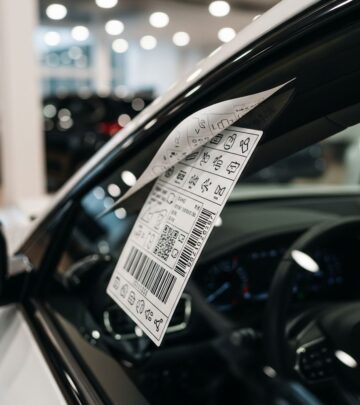
Finding your VIN is straightforward, though it appears in multiple locations on your vehicle. The most common and accessible location is on the dashboard at the bottom of the front windshield, visible from outside the vehicle without requiring you to open the car. This placement ensures law enforcement and other officials can quickly identify vehicles during traffic stops or accident investigations.
Beyond the windshield, your VIN also appears in several other locations:
- Inside the driver’s side door jamb, typically printed on a sticker or label
- On the engine block itself, etched into the metal
- On the frame rails underneath the vehicle
- In your vehicle’s registration documents and title paperwork
- On insurance policy statements and quotes
- In your vehicle’s owner’s manual
Knowing where to locate your VIN comes in handy when you need to verify information quickly, such as when getting an insurance quote or ordering replacement parts. Having your VIN readily available ensures faster service and accurate transactions with repair shops, dealerships, and insurance providers.
Decoding the Structure: Breaking Down the 17-Digit Code
While the VIN may appear to be a random string of characters, each digit and letter position contains specific information about your vehicle. Understanding this structure allows you to extract valuable data without needing specialized decoding tools.
The World Manufacturer Identifier Section
The first three characters comprise the World Manufacturer Identifier (WMI), which reveals where your vehicle was manufactured and which company built it. The first character identifies the country of origin—vehicles made in the United States typically begin with 1, 4, or 5, while other countries have their designated codes. The second character indicates the specific manufacturer, and the third digit represents the vehicle type category.
The Vehicle Descriptor Section
Characters four through eight make up the Vehicle Descriptor Section (VDS), providing detailed information about the vehicle’s physical characteristics and features. This section encodes the body style (sedan, coupe, SUV, truck), engine type and displacement, transmission configuration, model designation, and installed safety features. This information is crucial for ordering correct replacement parts and understanding your vehicle’s specifications.
The Check Digit and Model Year
The ninth character serves as a check digit—a security feature designed to verify the VIN’s validity and detect fraudulent VINs. This mathematical calculation helps identify altered or counterfeit VINs, protecting consumers from purchasing stolen vehicles or those with title issues.
The tenth character reveals your vehicle’s model year. Rather than using simple numerals, manufacturers employ a rotating letter system: A represents 1980, B represents 1981, and the pattern continues through the alphabet, skipping certain letters to avoid confusion. This system repeats every 30 years, which is why understanding the full VIN context matters when interpreting model year.
Assembly Plant and Production Sequence
Character eleven identifies the specific assembly plant where your vehicle was manufactured. Large manufacturers operate multiple facilities across different regions, each designated with unique codes. This information helps track manufacturing consistency and can be relevant when investigating recalls specific to particular production facilities.
The final six characters (positions 12-17) represent the production sequence number—a unique serial identifier assigned to your specific vehicle as it moved through the assembly line. No two vehicles will share identical final digits when the rest of the VIN matches, making this the distinguishing characteristic that truly makes your VIN unique.
Why Your VIN Matters: Critical Applications
Vehicle Purchase and History Investigation
When shopping for a used vehicle, your VIN becomes your primary investigative tool. By entering the VIN into trusted databases, you can uncover the vehicle’s complete history, including previous accidents, insurance claims, title issues, and ownership changes. This information protects you from purchasing vehicles that have been declared total losses, salvaged after major damage, or subject to title washing schemes where sellers attempt to hide accident history.
Before committing to a purchase, always verify the VIN matches across the title documents, registration, and physical vehicle locations. Inconsistencies or alterations should raise red flags about potential fraud.
Recall and Safety Information
Manufacturers issue recalls to address safety defects or performance issues affecting specific vehicle models. Your VIN allows you to determine which recalls apply to your particular vehicle, as recalls often target specific production years, engine types, or transmission configurations. The National Highway Traffic Safety Administration (NHTSA) provides a free online tool where you can enter your VIN to identify any open recalls requiring attention.
Staying informed about recalls ensures you address safety issues promptly, protecting yourself and your passengers while maintaining vehicle reliability.
Insurance Coverage and Premium Calculations
Insurance companies require your VIN when generating quotes or establishing new policies. Your VIN provides insurers with precise information about your vehicle’s make, model, year, and equipment specifications, allowing them to accurately assess risk and determine appropriate coverage levels.
Additionally, your VIN can unlock insurance discounts. Vehicles equipped with advanced safety features, anti-theft devices, or passive restraint systems identified through the VIN may qualify for lower premiums. Insurance companies also check your VIN against theft and salvage databases to ensure they’re insuring legitimate vehicles.
Repair Services and Parts Ordering
When you bring your vehicle to a repair facility for collision work, routine maintenance, or component replacement, technicians use your VIN to ensure they install correct, compatible parts. Different model years, engine types, and option packages require different components, and ordering the wrong part wastes time and money.
Your VIN helps repair shops access manufacturer service bulletins, technical specifications, and warranty information relevant to your specific vehicle configuration. This precision reduces errors, accelerates repair timelines, and ensures work quality.
Law Enforcement and Theft Prevention
If your vehicle is stolen, law enforcement agencies use your VIN to track it through national databases and identify it if recovered. The VIN helps establish legitimate ownership and distinguishes your specific vehicle from similar models. Additionally, having your VIN documented with police creates an official record that aids in investigation and potential recovery efforts.
Accessing Your Vehicle’s History Records
Free Resources
Several free options allow you to access basic vehicle history information. The National Highway Traffic Safety Administration (NHTSA) offers a free online recall-checking tool where you can enter your VIN to identify any open safety recalls. The DMV.org website provides vehicle history report access in many states. These free resources focus primarily on safety-related information but provide valuable baseline data at no cost.
Comprehensive Paid Services
For more detailed historical information, paid services like Carfax and AutoCheck provide comprehensive vehicle history reports. These reports typically include:
- Complete accident and damage history
- Ownership changes and number of previous owners
- Service and maintenance records
- Title status and any liens or outstanding loans
- Odometer readings across the vehicle’s history
- Recall information and recall completion status
- Information about whether the vehicle has been reported stolen
While these reports require payment, the investment is worthwhile when purchasing a used vehicle, as they reveal detailed patterns that free resources don’t provide.
Protecting Yourself from VIN Fraud
VIN fraud represents a significant concern, particularly in the used vehicle market. Fraudsters employ various tactics, including altering VINs to conceal accident history, using VINs from stolen vehicles, or engaging in title washing to hide damage. Protecting yourself requires vigilance and verification:
- Verify VIN consistency: Confirm the VIN matches across the title, registration, insurance documents, and vehicle locations
- Check for physical alterations: Examine VIN locations for signs of tampering, such as scratches, replaced labels, or inconsistent formatting
- Request vehicle history reports: Always obtain comprehensive reports before purchasing used vehicles
- Inspect the vehicle thoroughly: Look for evidence of previous damage, poor repairs, or mismatched body panels
- Have a pre-purchase inspection: Hire an independent mechanic to examine the vehicle before finalizing your purchase
Frequently Asked Questions About Vehicle Identification Numbers
Can a VIN be changed?
VINs are permanent identifiers assigned at manufacturing and cannot legally be changed. Altering a VIN is federal crime designed to conceal theft or accident history. If you discover a VIN has been tampered with, report it immediately to law enforcement and the NHTSA.
What if my vehicle doesn’t have a visible VIN?
All vehicles manufactured for sale in the United States must have a VIN displayed on the dashboard. If you cannot locate it, consult your owner’s manual or contact your vehicle’s manufacturer for guidance on additional VIN locations on your specific model.
How long does a VIN remain the same?
Your vehicle’s VIN remains constant throughout its entire operational lifetime. It doesn’t change with ownership transfers, repairs, or repainting. This permanence is what makes it such a reliable identifier.
Can two vehicles have the same VIN?
No. Each VIN is globally unique, with the production sequence number (final six digits) ensuring no duplicates exist. This uniqueness is essential for tracking and identification purposes.
Should I share my VIN with others?
While your VIN appears in various public documents, treat it with reasonable care. Share it only with trusted entities like repair shops, insurance companies, and authorized dealerships. Avoid posting your complete VIN on social media or public forums, as this information could potentially be misused.
Conclusion: Empowering Your Vehicle Ownership
Your Vehicle Identification Number represents far more than a random string of characters on your windshield. It’s a comprehensive data record containing your vehicle’s complete biography—from its manufacturing origin to its current condition and history. By understanding your VIN’s structure and learning how to access the information it contains, you gain powerful tools for protecting your investment, making informed decisions about vehicle purchases, and ensuring proper maintenance and repair service.
Whether you’re buying a used car, scheduling repairs, filing an insurance claim, or simply curious about your vehicle’s background, your VIN provides the key to unlocking critical information. Take time to locate your VIN, understand its components, and use it wisely to navigate the automotive landscape with confidence and knowledge.
References
- Why the VIN on your car is important for auto body repair — Marksman Auto Body. 2024. https://marksmanautobody.com/why-the-vin-on-your-car-is-important-for-auto-body-repair/
- What is a VIN and how can it help protect your vehicle? — Dairyland Insurance. 2024. https://www.dairylandinsurance.com/resources/why-your-vin-matters
- What is a VIN number and Why is it Important? — Manuel’s Body Shop. 2024. https://manuelsbodyshop.com/blog/what-is-a-vin-number-and-why-is-it-important/
- Decoding the Mysteries of Your Car’s Vehicle Identification Number (VIN) — Miller Auto Parts and Paint. 2024. https://millerautopartsandpaint.com/decoding-the-mysteries-of-your-cars-vehicle-identification-number-vin-an-in-depth-guide/
- Decoding a Car’s VIN Can Tell You Where It Was Made—and More — Consumer Reports. 2022. https://www.consumerreports.org/cars/cars-driving/vehicle-identification-number-can-tell-you-a-lot-about-a-car-a3317492422/
- What is a VIN and Why is it Important? — Capital One Auto Navigator. 2024. https://www.capitalone.com/cars/learn/getting-a-good-deal/what-is-a-vin-and-why-is-it-important/1036
- What goes into identifying a vehicle’s history? — Hendrick Cars. 2024. https://www.hendrickcars.com/blog/2024/february/12/what-goes-into-identifying-a-vehicle-s-history.htm
Similar Articles








Read full bio of Sneha Tete