Vehicle History Reports: 7 Core Elements To Check
Unlock the past of your next used car purchase with essential insights from vehicle history reports to avoid costly surprises.
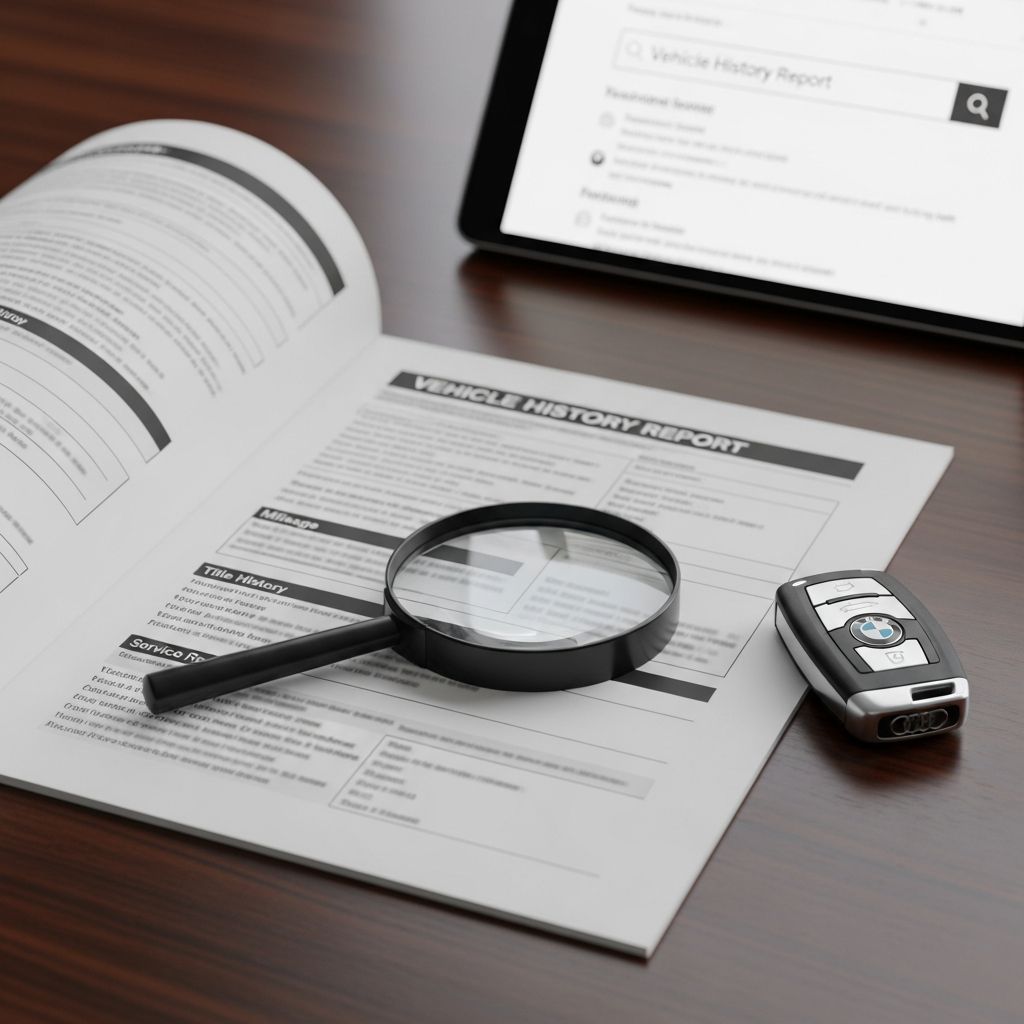
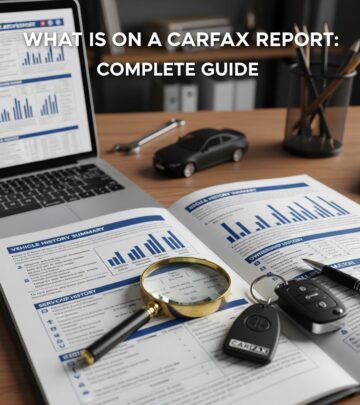
Vehicle history reports compile critical data on a used car’s past, helping buyers uncover hidden issues like accidents, odometer fraud, and title problems before committing to a purchase. These reports aggregate records from auctions, insurers, repair shops, and government databases to provide transparency in the used car market.
Why Vehicle History Reports Matter in Used Car Purchases
With rising new car prices amid economic pressures, more buyers turn to the used market, where risks lurk without proper due diligence. A comprehensive vehicle history report acts as your first line of defense, revealing details that sellers might overlook or conceal. According to automotive experts, these reports can prevent overpaying for damaged or poorly maintained vehicles by highlighting patterns in ownership, service, and incidents.
The Federal Trade Commission strongly recommends obtaining one for every used car considered, as it offers insights into accident involvement, ownership count, and service records that directly impact long-term reliability and value. Without this information, buyers risk inheriting expensive repairs or diminished resale value.
Core Elements Found in a Vehicle History Report
These reports distill complex data into digestible sections. Here’s what to expect:
- Ownership Timeline: Lists all recorded owners, duration of ownership, and registration states, indicating if the car was fleet-used or frequently traded.
- Accident and Damage Records: Details collisions, including severity, with notations on frame or structural impacts from sources like police and insurers.
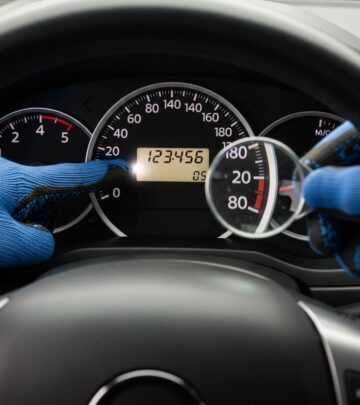
- Odometer Readings: Tracks mileage history to detect rollbacks or inconsistencies, a common fraud tactic.
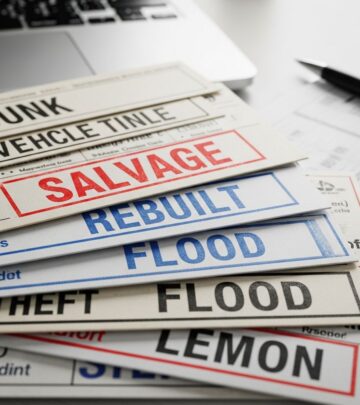
- Title Status: Flags salvage, rebuilt, flood, or lemon titles that could affect insurability and financing.
- Service and Maintenance Logs: Chronological entries from certified shops showing oil changes, major repairs, and adherence to schedules like 7,500-mile intervals.
- Recall Information: Open manufacturer recalls tied to the VIN for safety defects.
- Auction and Repo History: Prior sales at auction or repossessions signaling potential distress sales.
Understanding these components equips you to assess a vehicle’s true condition beyond surface appearances.
Red Flags That Signal Walk Away
Not every report is clean; certain findings warrant caution. Prioritize vehicles without these issues:
| Red Flag | Implication | Action |
|---|---|---|
| Multiple Owners in Short Time | May indicate unreliability or abuse | Negotiate lower or pass |
| Salvage or Rebuilt Title | History of major damage; hard to insure | Avoid unless deeply discounted and inspected |
| Odometer Discrepancy | Fraudulent mileage; hidden wear | Immediate rejection |
| Flood or Fire Damage | Electrical and corrosion risks | Walk away |
| Unresolved Recalls | Safety hazards | Require seller fix |
Dealers and private sellers must disclose known issues in many states, but reports provide verifiable proof.
Comparing Top Vehicle History Report Providers
Several services dominate, each with strengths. Use this comparison for single or multi-vehicle checks:
| Provider | Key Score/Feature | Price Range | Best For |
|---|---|---|---|
| Carfax | Accident reports from 140K+ sources | $40-50/report | Comprehensive accident data |
| AutoCheck | Score 1-250; auction data | $25-35/report | Budget buyers, scoring system |
| National Motor Vehicle Title Information System (NMVTIS) | Gov’t-backed title/brand data | $5-10/report | Basic title checks |
Carfax excels in breadth from insurers and police, while AutoCheck, powered by Experian, offers a predictive score factoring usage and events. NMVTIS provides affordable, official title verification from state DMVs.
Step-by-Step: Obtaining and Decoding Your Report
Follow these steps for maximum value:
- Gather VIN: Locate on dashboard, door jamb, or title—essential for all reports.
- Choose Provider: Buy from official sites; avoid free versions lacking depth.
- Review Summary: Start with overview score or key events for quick insights.
- Dive Deep: Scrutinize timelines for gaps; cross-check mileage progression.
- Pair with PPI: Get a pre-purchase inspection from a mechanic for unreported issues.
Reports aren’t infallible—DIY repairs or non-reporting shops create gaps—but they cover 80-90% of major events.
Beyond Reports: Full Due Diligence Checklist
A history report is step one. Complete your process:
- Test drive extensively, listening for odd noises.
- Mechanic inspection focusing on frame, suspension.
- Verify VIN matches all docs; scan for tampering.
- Check service records directly if available.
- Run free VIN decoder tools preliminarily.
For dealers, reports aid inventory appraisal and sales transparency, building customer trust.
Frequently Asked Questions
What if the report shows no accidents?
Minor unreported fender-benders may not appear; always get a professional inspection.
Are free vehicle history reports reliable?
Limited and often outdated; invest in paid for full data from verified sources.
Can I get a report for a new car?
Unnecessary, as they lack history; focus on recalls via NHTSA.
How accurate are odometer checks?
Highly reliable from DMV and service records, catching 95% of fraud cases.
Do all states report title brands?
Most do via NMVTIS, but confirm with approved providers.
Protecting Your Investment Long-Term
Post-purchase, maintain records to boost future resale. Regular services and digital logs preserve value. Reports not only safeguard buys but inform insurance quotes and repairs by revealing patterns.
In summary, skipping a vehicle history report is like buying blindfolded. With costs under $50, the ROI in avoided pitfalls is immense. Empower your next purchase with data-driven confidence.
References
- Why Are Vehicle History Reports So Important? — J.D. Power. 2023. https://www.jdpower.com/cars/shopping-guides/why-are-vehicle-history-reports-so-important
- What Is a Vehicle History Report? Everything You Need to Know — Car and Driver. 2023-10-12. https://www.caranddriver.com/auto-loans/a43149830/what-is-a-vehicle-history-report/
- Used Cars | Consumer Advice — Federal Trade Commission. 2024. https://consumer.ftc.gov/features/feature-0040-used-cars
- Vehicle History Reports for Car Dealers: What You Need to Know — ACV Max. 2023. https://www.acvmax.com/blog/why-should-dealers-care-about-vehicle-history-reporting
- Why Vehicle History Reports Matter — Auto Solution NM. 2024. https://www.autosolutionnm.com/blog/vehicle-history-report
Similar Articles








Read full bio of medha deb