Vehicle-Deer Collisions: Prevention and Response
Essential strategies to prevent deer strikes and handle collisions safely on the road.
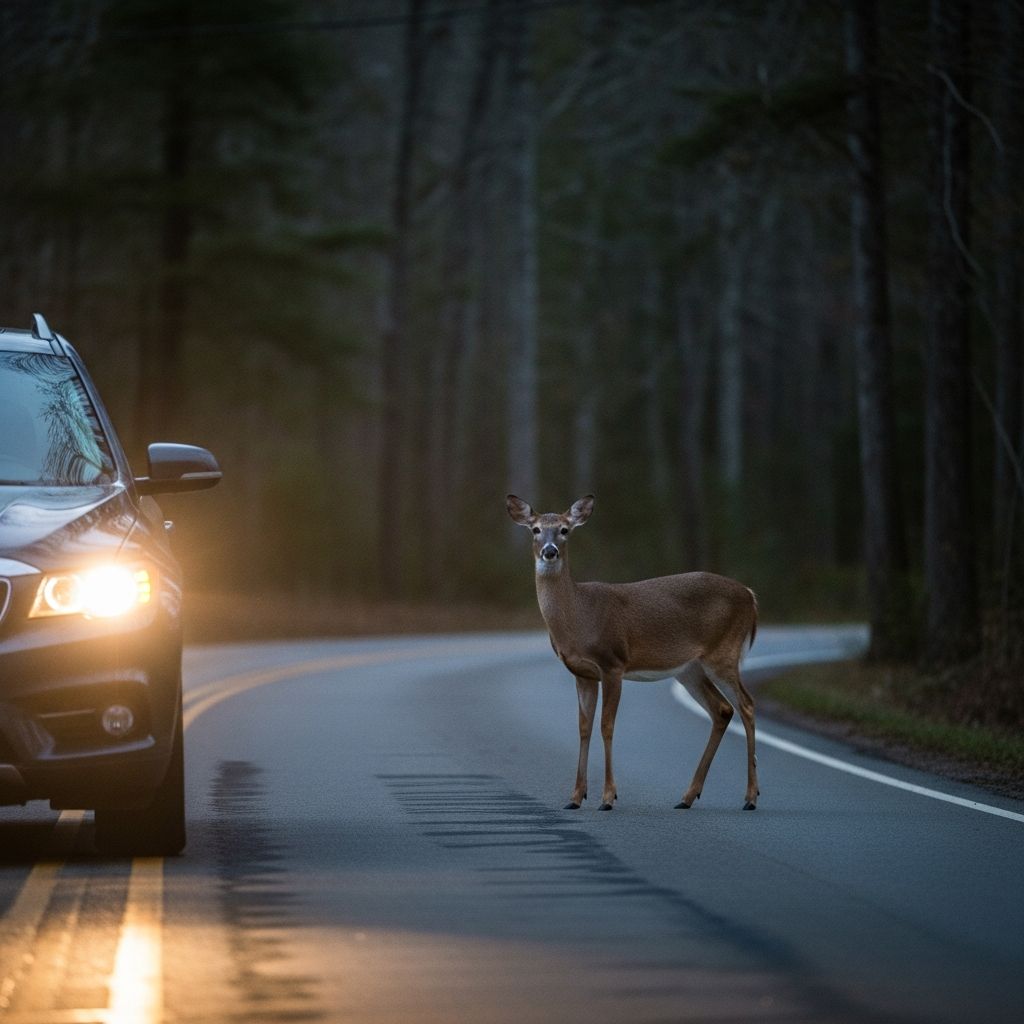
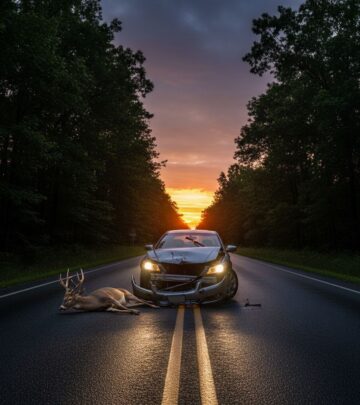
Vehicle collisions with deer represent a significant road hazard, particularly during specific seasons and times of day. These incidents can cause substantial damage and pose serious risks to drivers. Understanding how to anticipate, avoid, and manage such events is crucial for all motorists.
Understanding the Risks of Deer on Roads
Deer-vehicle crashes peak during fall months like October to December due to mating seasons, and also in May, with highest occurrences from sunset to midnight or before and after sunrise when visibility drops. Areas near woods, streams, deer crossing signs, bridges, or overpasses heighten the danger as deer frequent these spots.
Deer move unpredictably; a roadside deer may suddenly dash across the road instead of fleeing away. They often travel in groups, so spotting one signals others may follow shortly. Speed exacerbates severity, making reduced velocity essential in high-risk zones.
Proven Prevention Strategies
To minimize collision chances, adopt these habits:
- Stay vigilant: Scan roadsides actively, especially at dawn, dusk, and in deer-prone areas. Look for eye reflections in headlights.
- Obey signage: Reduce speed at deer crossing signs, placed where incidents recur.
- Use lighting wisely: Employ high beams where safe to spot deer eyes early, but dim if an animal freezes in beams.
- Sound the horn: Deliver one long blast if deer appear near the road to alert them.
- Maintain safe speed: Drive at or below limits in risky zones, particularly during peak times.
- Wear seatbelts: They prevent injuries post-impact, as many fatalities stem from ejection.
Avoid over-reliance on unproven tools like deer whistles, which lack evidence of effectiveness and might startle animals. Emerging options like rear-facing LED bars show promise for visibility but require further validation.
Immediate Actions During an Imminent Collision
If avoidance fails:
- Do not swerve sharply: Braking or striking the deer while maintaining control is safer than veering into traffic, trees, or ditches, which cause more fatalities.
- Slow gradually: Reduce speed without locking brakes to retain steering.
Motorcyclists face elevated fatality risks and should prioritize caution.
Post-Collision Response Protocol
After impact, prioritize safety in this sequence:
- Secure the scene: Pull to the shoulder safely, activate hazard lights, and exit only after checking traffic.
- Assess injuries: Call emergency services if anyone is hurt.
- Report promptly: Contact police or highway patrol immediately, providing location details. In some states, crashes over $1,000 damage or with injuries mandate reports.
- Handle the animal: Do not approach or move a deer; injured ones can injure you. Leave it to authorities.
Use flares or triangles for visibility and stay alert for following traffic.
Inspecting Your Vehicle After Impact
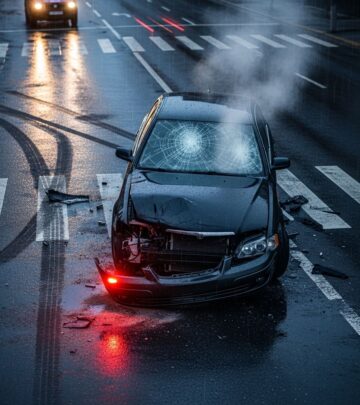
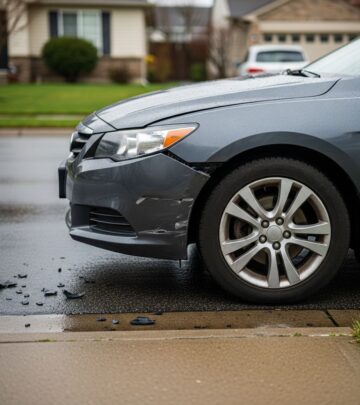
Deer strikes often damage front ends. Check these areas:
| Component | Potential Issues | Action Needed |
|---|---|---|
| Headlights & Signals | Cracked lenses, malfunctioning bulbs | Test all lights; replace immediately for safety |
| Grille & Radiator | Dents, fluid leaks | Inspect coolant levels; seek professional repair |
| Hood & Fenders | Bends, alignment issues | Check for gaps or rubbing; align if possible |
| Suspension & Tires | Impacts to struts, punctures | Test steering; inspect for debris |
| Undercarriage | Hair, blood, structural damage | Look underneath; clean to prevent odors/corrosion |
Drive cautiously to a safe spot for full evaluation. Professional inspection is recommended even if no obvious issues appear, as hidden damage like alignment shifts can emerge later.
Navigating Insurance and Financial Aspects
Most policies cover deer collisions under comprehensive, not collision coverage, avoiding at-fault claims.[original inspiration] File promptly with photos, police report, and repair estimates. Costs average thousands; deductibles apply. Some insurers offer seasonal discounts for high-risk areas.
Legal Requirements by Region
Regulations vary:
- Report all injury or major damage crashes to law enforcement.
- Some states require non-emergency wildlife reports.
- Failure to report can lead to fines or license issues.
Check local DOT or patrol guidelines for specifics.
Seasonal and Regional Hotspots
Fall sees surges due to rutting; rural wooded roads amplify risks. States like Michigan report high volumes, but nationwide figures exceed 1 million annually. Adjust driving in known areas.
Advanced Safety Tools and Innovations
While horns and whistles falter, vehicle tech like automatic emergency braking and night vision advances. LED illuminators warrant monitoring. Defensive driving remains primary.
FAQs
Should I swerve to miss a deer?
No, steering straight while braking is safer to avoid worse crashes.
What if I see an injured deer?
Pull over safely, call police, and do not approach.
Does insurance cover deer hits?
Typically yes, under comprehensive coverage without rate hikes.[original inspiration]
Are deer whistles effective?
Evidence suggests no; focus on proven methods.
When are deer most active?
Dawn, dusk, and fall evenings.
Key Takeaways for Safer Roads
Prevention through awareness and caution trumps reaction. Post-incident, safety and reporting protect all. Regular vehicle maintenance bolsters resilience.
References
- Avoiding Deer-Car Collisions — Georgia Wildlife Resources Division. Accessed 2026. https://georgiawildlife.com/avoiding-deer-car-collisions
- Avoiding Collisions with Deer — Kansas Highway Patrol. Accessed 2026. https://kansashighwaypatrol.gov/about-us/news-and-events/traveling-tips/avoiding-collisions-with-deer/
- Deer Safety Driving Tips — Accident Fund. 2020-01. https://www.accidentfund.com/wp-content/uploads/2020/01/Deer-Safety-Driving-Tips_final.pdf
- Safety Advice to Avoid Deer Collisions — Deer Aware. Accessed 2026. https://www.deeraware.com/safety-advice/
- Avoid Deer-Vehicle Collisions — National Safety Council. 2021-11. https://www.nsc.org/getmedia/48e7a578-b3a2-4db8-aed6-4c9fa07e0506/traffic-safety-1121.pdf
- Avoiding Collisions with Deer — NCDOT. Accessed 2026. https://www.ncdot.gov/initiatives-policies/safety/driving-safety/Pages/deer-collisions.aspx
- Oh Deer: 9 Ways to Avoid Animal Strikes — Penske Truck Leasing. Accessed 2026. https://www.pensketruckleasing.com/resources/resource-library/safety/9-ways-to-avoid-animal-strikes-when-driving/
Similar Articles








Read full bio of Sneha Tete