Vehicle Break-Ins: Recovery Steps and Prevention
Protect your belongings and respond effectively to car theft.
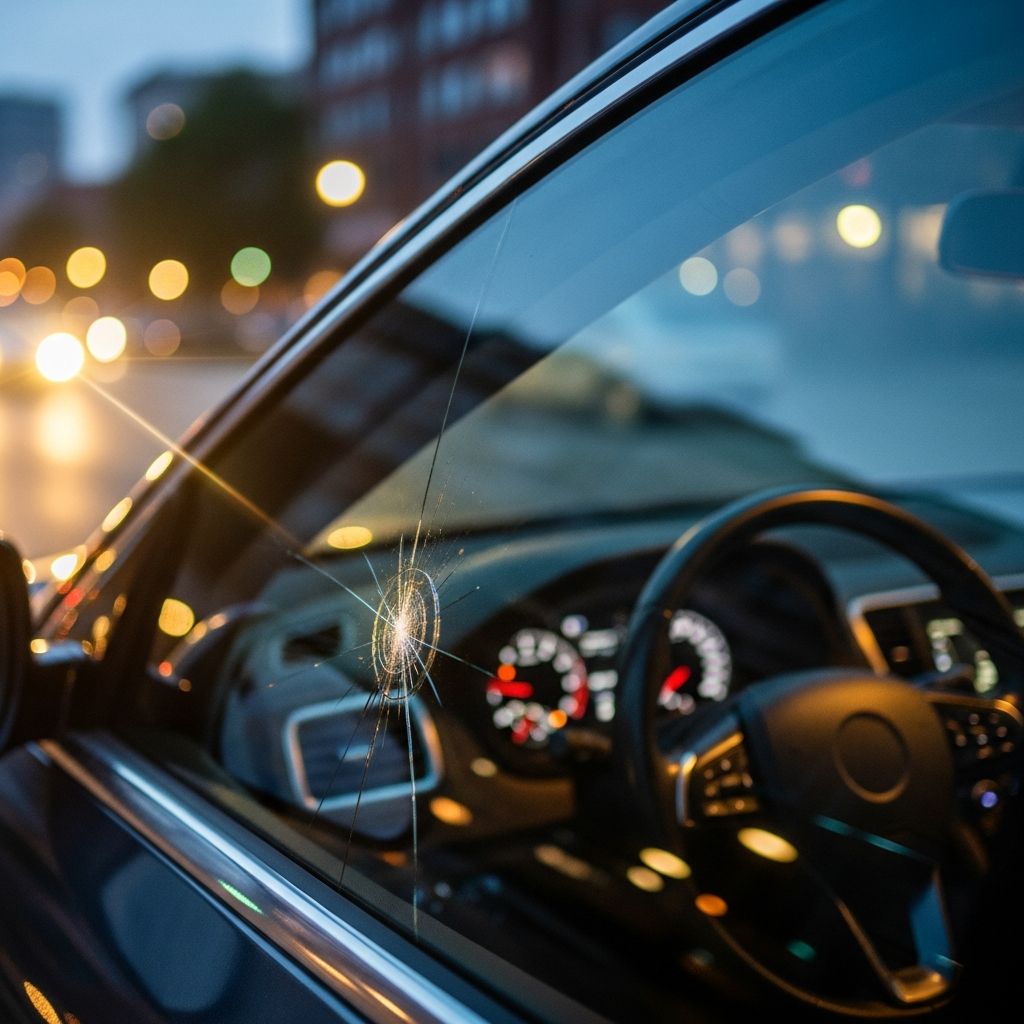
Vehicle break-ins represent a significant concern for car owners, with thieves targeting both high-value items and everyday belongings left in vehicles. Understanding how to respond immediately after a theft, navigate the insurance claim process, and implement preventative measures can substantially reduce your risk and recovery burden.
Immediate Actions Following a Vehicle Theft
When you discover that items have been stolen from your vehicle, your first response sets the tone for everything that follows. Taking prompt action ensures you preserve evidence and maintain documentation necessary for insurance purposes.
Assess the Damage and Document Everything
Before touching anything, carefully examine your vehicle to understand the extent of the break-in. Photograph all damage to windows, doors, locks, and interior components from multiple angles. Use your phone’s camera to capture close-ups of broken glass, scratches, tool marks, and any other signs of forced entry. These images serve as critical evidence for police reports and insurance claims.
Create a detailed written inventory of everything missing from your vehicle. Include specific descriptions such as brand names, model numbers, approximate purchase dates, and estimated values for each item. If you have receipts, warranty cards, or other documentation for stolen items, gather these materials immediately as they strengthen your insurance claim.
File a Police Report Promptly
Contact local law enforcement to file a theft report as soon as possible after discovering the break-in. The police report creates an official record that supports your insurance claim and contributes to crime statistics that help law enforcement allocate resources. Provide officers with your detailed inventory and photographs. Request a copy of the police report number for your records, as insurance companies require this when processing claims.
Notify Your Insurance Company Without Delay
Contact your auto insurance provider immediately to initiate the claims process. Most insurers have specific timeframes for reporting theft; delayed notification can complicate or jeopardize your claim. Provide the police report number, your documentation of stolen items, and photographs of the damage. Your insurance agent will explain your coverage limits, deductibles, and what expenses qualify for reimbursement under your policy.
Understanding Your Insurance Coverage Options
Not all auto insurance policies cover items stolen from vehicles, and coverage varies significantly based on your specific policy terms.
Comprehensive Coverage Explained
Comprehensive coverage typically protects against theft of vehicle components and damage resulting from break-ins, such as broken windows or damaged door locks. However, most comprehensive policies do not cover personal items left inside the vehicle. Understanding these limitations helps you set realistic expectations for your claim.
Personal Property Protection
Some insurers offer optional endorsements that provide coverage for personal belongings stolen from your vehicle. This type of coverage remains relatively uncommon but may be available depending on your location and insurance company. Review your policy documents or contact your agent to determine whether this option was included in your coverage.
Homeowners or Renters Insurance Considerations
In certain circumstances, homeowners or renters insurance may provide coverage for personal items stolen from your vehicle, particularly if you have coverage for items away from home. Review your homeowners or renters policy to determine whether this type of claim falls within your coverage. Some policies include personal property coverage that extends to vehicles, while others specifically exclude such items.
Documenting Your Loss for Insurance Purposes
Thorough documentation significantly improves your chances of receiving full reimbursement for your loss.
Creating a Comprehensive Inventory
List every item stolen, organized by category for clarity. Include the following information for each item:
- Item name and brand
- Model or version number if applicable
- Original purchase price
- Approximate age and condition of the item
- Purchase location and date if you remember
- Any serial numbers or identifying marks
For expensive electronics or specialty items, include photographs if you have them. If you lack receipts, research comparable items online to establish reasonable current replacement value.
Gathering Supporting Documentation
Collect any receipts, credit card statements, or warranty documentation for stolen items. If original receipts are unavailable, bank or credit card statements showing purchases provide useful evidence of ownership and approximate value. For items purchased years ago, research current replacement costs for equivalent models to establish a fair value estimate.
Communicating Effectively with Your Insurance Adjuster
When speaking with your insurance adjuster, provide complete information without exaggeration. Stick to facts supported by your documentation. If the adjuster’s valuation of stolen items seems unfair, respectfully explain your basis for the value estimate and provide supporting evidence. Many insurers allow appeals if you believe their initial assessment was inaccurate.
Addressing Vehicle Damage from the Break-In
Beyond stolen items, break-ins typically cause property damage that requires repair.
Obtaining Repair Estimates
Contact auto repair shops to obtain written estimates for fixing broken windows, damaged locks, or other harm resulting from the break-in. Most insurance companies require multiple estimates or have preferred repair shops. Comprehensive coverage typically addresses this type of damage, though your deductible applies.
Choosing a Repair Shop
Select repair facilities certified by manufacturers or recognized by insurance companies when possible. Quality repairs ensure your vehicle’s safety and maintain resale value. Some insurers direct-bill repair shops, eliminating out-of-pocket expenses, while others require you to pay upfront and submit receipts for reimbursement.
Implementing Multi-Layered Security Strategies
Preventing future break-ins requires combining multiple security approaches that work together to deter opportunistic thieves.
Physical Deterrents and Visible Security Measures
Steering wheel locks and other visible anti-theft devices make your vehicle a less attractive target to thieves seeking easy targets. Window etching with your vehicle identification number (VIN) discourages thieves who profit from reselling stolen vehicles or parts, as VIN etching complicates the process. Visible alarm system indicators, such as flashing lights or decals, communicate to potential thieves that your vehicle has active security measures.
Electronic Protection Systems
Vehicle immobilizer systems prevent hotwiring by disabling the engine if someone attempts to start the car without the correct key or fob. Audible alarm systems emit loud noises through your vehicle’s horn or dedicated sirens when sensors detect unauthorized entry attempts. These systems attract unwanted attention that deters most opportunistic thieves.
GPS tracking devices, including aftermarket options and modern AirTags, enable you to locate your vehicle if stolen and assist law enforcement in recovery efforts.
Environmental and Behavioral Modifications
Parking location significantly impacts your theft risk. Well-lit parking areas with high foot traffic discourage break-ins because thieves prefer operating in darkness and isolated locations. If you have a garage or carport, use it consistently rather than parking on the street. Motion-activated lighting around your driveway creates an additional deterrent if you must park at home.
Never leave valuables visible inside your vehicle, including smartphones, laptops, cameras, or luxury accessories. Place high-value items in your trunk before arriving at your destination, or better yet, leave them at home entirely. Remove portable GPS units and their mounting hardware, as even empty suction cup marks signal to thieves that valuable navigation equipment may be hidden in your vehicle.
Administrative Safeguards
Secure your vehicle registration and title in your home rather than leaving them in your glove compartment. Never leave spare keys in your vehicle, as this transforms minor thefts into full vehicle theft. Store all keys in your residence in a secure location known only to household members.
Risk Assessment and Location-Specific Considerations
Understanding your local theft patterns helps you prioritize security measures.
Researching Local Crime Statistics
Contact your local police department or review online crime mapping resources to understand theft patterns in your area. Certain neighborhoods or parking locations experience higher theft rates than others. This information helps you make informed decisions about where to park and which security measures warrant the highest investment.
Vehicle Vulnerability Factors
Older vehicles and popular models attract greater theft interest because thieves can more easily bypass their security systems. Luxury vehicles face targeted theft for both the complete vehicle and high-value components. Understanding your vehicle’s specific vulnerabilities helps you select appropriate security measures.
Frequently Asked Questions
What items does comprehensive auto insurance typically cover?
Comprehensive coverage protects vehicle damage from break-ins, such as broken windows and damaged locks, but typically excludes personal belongings. Coverage for vehicle components like stereo systems or GPS units varies by policy. Review your specific policy language or contact your insurer for clarification.
How long do insurance companies allow for theft reporting?
Most insurers require theft reporting within 24 to 72 hours of discovery, though specific timeframes vary. Delayed reporting can complicate or deny claims. Contact your insurance provider immediately upon discovering a break-in to ensure compliance with reporting deadlines.
Can I recover stolen items through insurance if I lack original receipts?
Yes, though receipts strengthen your claim. Provide bank or credit card statements showing purchases, photographs if available, and research comparable items to establish fair market value. Insurance adjusters can verify claims even without original documentation, though the process takes longer.
Do alarm systems and steering wheel locks really prevent break-ins?
Visible security measures effectively deter opportunistic thieves seeking easy targets, as they prefer vehicles requiring minimal time or noise to compromise. While determined professional thieves can overcome these devices, the combination of multiple visible deterrents makes your vehicle significantly less attractive than alternatives.
Which locations pose the greatest theft risk?
Dark, isolated areas with minimal foot traffic attract thieves because they work unobserved. Parking lots at shopping centers, parking garages, and street parking in low-traffic neighborhoods experience higher break-in rates than brightly lit areas with strong pedestrian activity.
Creating Your Personal Vehicle Security Plan
Effective protection combines multiple strategies tailored to your specific circumstances. Assess your vehicle’s vulnerabilities, evaluate your typical parking locations, and consider your budget for security improvements. Prioritize visible deterrents and behavioral modifications first, as these often provide the greatest return on investment. Gradually add electronic systems and advanced features based on your vehicle’s specific risks and your insurance company’s discount offerings.
Regularly review your vehicle security practices, update insurance coverage as needed, and maintain all anti-theft devices according to manufacturer recommendations. Document these efforts for insurance purposes, as carriers often provide discounts for vehicles with verifiable security measures in place.
References
- Car Theft Prevention: A Guide for Dealers and Drivers — Deep Sentinel. Accessed April 2026. https://www.deepsentinel.com/blogs/car-theft-prevention/
- 10 Tips to Avoid Car Theft — Allstate. Accessed April 2026. https://www.allstate.com/resources/car-insurance/avoiding-car-theft
- Prevent Theft From and of Vehicles — Royal Canadian Mounted Police. Accessed April 2026. https://rcmp.ca/en/bc/safety-tips/theft-and-vandalism/prevent-theft-and-vehicles
- How to Prevent Car Theft in 12 Steps — GEICO. Accessed April 2026. https://www.geico.com/information/safety/auto/preventing-auto-theft/
- How to Keep Your Car From Getting Stolen — Consumer Reports. Accessed April 2026. https://www.consumerreports.org/money/theft/how-to-keep-your-car-from-getting-stolen-car-theft-a2434454434/
- Auto Theft Prevention — San Jose Police Department, CA. Accessed April 2026. https://www.sjpd.org/community/crime-prevention/prevention-tips/auto-theft-prevention
- Vehicle Theft Prevention — National Highway Traffic Safety Administration (NHTSA). Accessed April 2026. https://www.nhtsa.gov/vehicle-safety/vehicle-theft-prevention
- Prevent Vehicle Theft — National Insurance Crime Bureau (NICB). Accessed April 2026. https://www.nicb.org/prevent-vehicle-theft
- The Best Car Anti-Theft Devices and GPS Trackers of 2026 — Gear Junkie. Accessed April 2026. https://gearjunkie.com/motors/the-best-car-anti-theft-devices
Similar Articles








Read full bio of Sneha Tete