Variable Rate Mortgage: Definition, Types & How It Works
Complete guide to variable rate mortgages: understand how rates fluctuate and explore different mortgage options.
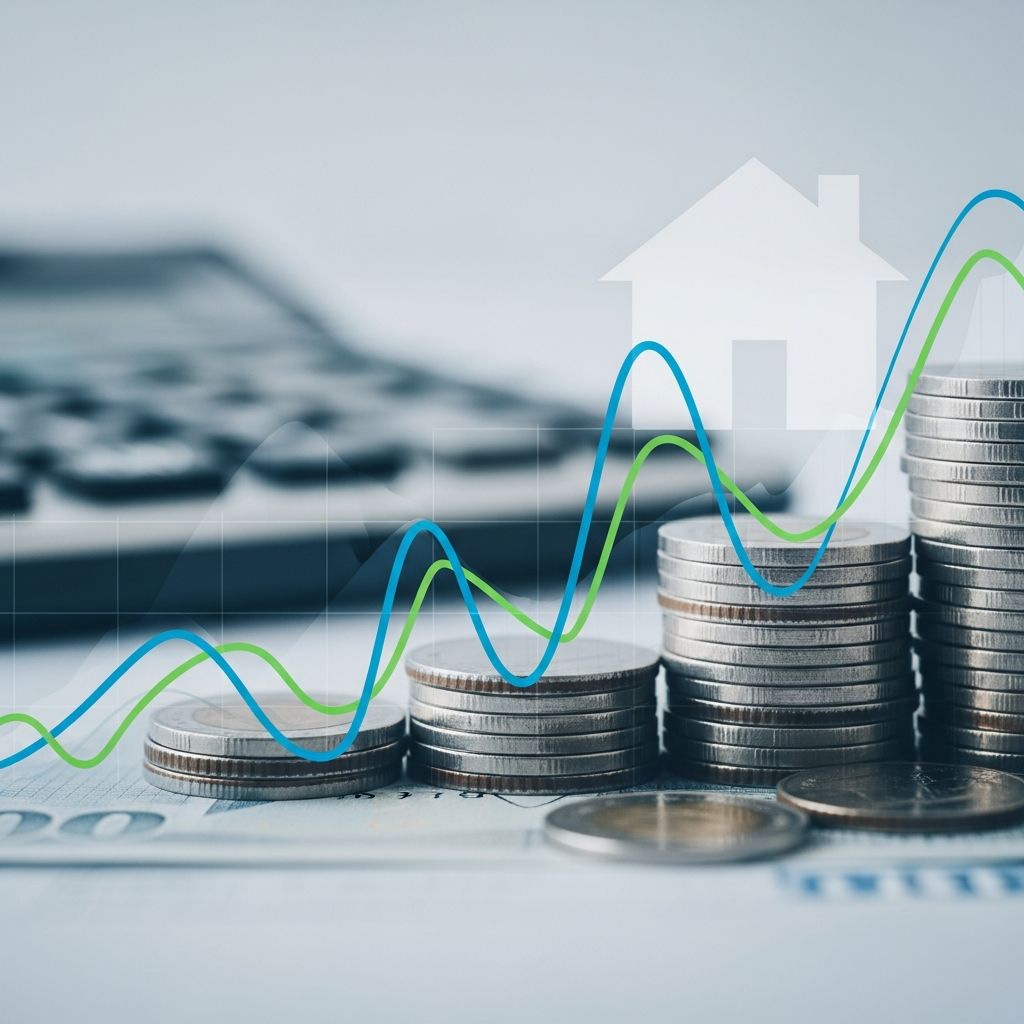
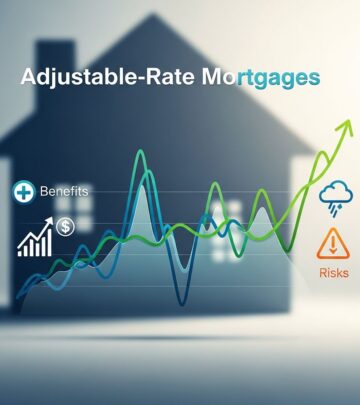
A variable rate mortgage is a home loan where the interest rate adjusts periodically based on market conditions or a specific benchmark rate. Unlike fixed-rate mortgages that maintain the same interest rate throughout the entire loan term, variable rate mortgages fluctuate over time, which means your monthly payments can increase or decrease depending on prevailing economic conditions. This type of mortgage offers both opportunities and risks for borrowers, making it essential to understand how it works before committing to this financing option.
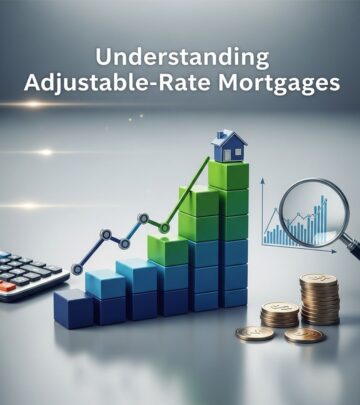
Understanding Variable Rate Mortgages
When you obtain a variable rate mortgage, your initial interest rate is typically lower than fixed-rate mortgages, which can make monthly payments more affordable during the early years of the loan. However, this advantage comes with uncertainty. As interest rates in the broader economy change, so does your mortgage rate, and consequently, your monthly payment amount. The frequency of rate adjustments depends on the terms of your specific mortgage agreement and can occur annually, semi-annually, or at other intervals specified by your lender.
Variable rate mortgages are influenced by broader economic factors, particularly changes in central bank base rates. When central banks adjust their benchmark rates in response to inflation, employment, or other economic indicators, mortgage lenders often adjust their variable rate offerings accordingly. Understanding this relationship between macro-economic policy and your personal finances is crucial for anyone considering this type of mortgage.
Key Differences: Variable vs. Fixed-Rate Mortgages
The primary distinction between variable and fixed-rate mortgages lies in rate stability and payment predictability. With a fixed-rate mortgage, you enjoy the security of knowing exactly what your monthly payment will be for the entire loan term, whether that’s 15 years or 30 years. This predictability makes budgeting easier and protects you from rising interest rates.
In contrast, variable rate mortgages offer initial savings through lower starting rates but introduce uncertainty into your financial planning. While you might save money if rates decline, you face potential payment increases if rates rise. This trade-off between initial savings and payment uncertainty is the fundamental characteristic that distinguishes variable rate mortgages from their fixed-rate counterparts.
Types of Variable Rate Mortgages
Variable rate mortgages come in several distinct varieties, each with different mechanisms for determining rate adjustments and different levels of borrower protection.
Tracker Rate Mortgages
A tracker rate mortgage is directly linked to an external benchmark rate, most commonly the central bank’s base rate. With this type of mortgage, your interest rate consistently tracks a set number of percentage points above the benchmark rate. When the base rate increases, your mortgage rate increases by the same amount, and when it decreases, your rate decreases accordingly. This transparent relationship between the benchmark and your rate provides borrowers with predictability, as they can monitor rate movements in the news and understand exactly how changes will affect their mortgage.
Tracker mortgages are often favored by borrowers who believe interest rates will remain low or decline in the near term. These mortgages typically offer better rates than standard variable rate mortgages during periods of low interest rate environments. However, they also expose borrowers to maximum rate risk when the economic cycle turns and rates begin rising.
Standard Variable Rate (SVR) Mortgages
A standard variable rate (SVR) mortgage is determined entirely by the lender’s discretionary pricing. Unlike tracker mortgages that follow an external benchmark, SVR rates are set and adjusted at the lender’s sole discretion. This means your lender can change your rate based on their internal policies, market conditions, and competitive positioning, without any direct connection to the central bank’s base rate.
SVR mortgages typically carry higher interest rates than tracker mortgages and often represent the rate you’ll face once an initial promotional period on a fixed-rate or tracker mortgage expires. Many borrowers find themselves on SVR mortgages not by choice but as a default when their initial mortgage deal concludes. However, SVR mortgages frequently offer greater flexibility, including the ability to remortgage without early repayment penalties, allowing borrowers to switch to better deals more easily.
Discounted Rate Mortgages
A discounted rate mortgage provides a temporary interest rate reduction from the lender’s standard variable rate, typically for an introductory period of two to five years. For example, if a lender’s standard variable rate is 6.50 percent and they offer a 1.50 percent discount, you would pay 5.00 percent during the discount period.
These mortgages appeal to borrowers seeking lower initial payments, but they carry the same rate adjustment risks as other variable rate mortgages. Once the discount period concludes, you’ll revert to the full standard variable rate unless you actively remortgage into a new deal. This transition from discounted to full rates can result in significant payment increases, making it crucial to plan ahead before the introductory period expires.
Factors Affecting Variable Rate Mortgages
Central Bank Base Rates
The most influential factor on tracker rate mortgages is the central bank’s base rate. Central banks adjust these rates to manage inflation and stimulate or cool economic activity. When the economy shows signs of overheating with high inflation, central banks typically raise base rates to reduce borrowing and spending. Conversely, during economic slowdowns, they lower rates to encourage borrowing and investment. Borrowers with tracker mortgages experience direct impacts from these policy decisions.
Lender Policies and Market Conditions
For SVR and discounted mortgages, lender discretion plays a crucial role. Lenders adjust rates based on their cost of funds, competitive market conditions, profitability targets, and risk assessments. A lender may not lower their SVR even when base rates fall, and they may raise it more aggressively than base rate increases warrant. This discretionary nature creates additional uncertainty beyond broader economic factors.
Loan-to-Value Ratio (LTV)
Your loan-to-value ratio significantly impacts the interest rate you receive on a variable rate mortgage. LTV represents the percentage of the property’s value that you’re borrowing. A borrower with a 90 percent LTV (10 percent down payment) presents more risk to the lender than one with a 75 percent LTV (25 percent down payment). Higher LTV ratios typically result in higher interest rates because the lender assumes greater default risk. Building a larger down payment or increasing your home equity positions you for better variable rate mortgage terms.
Economic Indicators
Beyond direct central bank decisions, broader economic indicators influence variable rate mortgage pricing. Inflation rates, employment figures, GDP growth, and housing market conditions all factor into how lenders price risk and adjust rates. In strong economic periods with rising inflation, rates typically increase. During weaker periods, rates may decrease.
Advantages of Variable Rate Mortgages
Variable rate mortgages offer several potential benefits for the right borrower:
– Lower initial rates: Variable rate mortgages typically feature lower starting interest rates compared to fixed-rate mortgages, reducing initial monthly payments- Rate decrease potential: If interest rates fall, your mortgage rate decreases, reducing your monthly obligations- Flexibility: Many variable rate mortgages, particularly SVR products, allow you to remortgage without penalties if better rates become available- Simplified terms: SVR mortgages often come with fewer restrictions and lower upfront fees compared to other mortgage products- Equity building: Lower initial payments allow you to allocate more resources to other financial goals while building home equity
Disadvantages of Variable Rate Mortgages
Variable rate mortgages also present significant challenges:
– Payment uncertainty: Your monthly mortgage payment can increase substantially if interest rates rise, making budgeting difficult- Rate risk exposure: You bear full exposure to interest rate increases with no protection against rising costs- Budget strain: Significant payment increases can strain household finances, potentially affecting your ability to meet other obligations- Long-term cost uncertainty: Over a 30-year mortgage, rate increases can result in substantially higher total interest paid- Lender discretion risk: With SVR mortgages, lenders may increase rates more aggressively than economic conditions warrant- Refinancing challenges: If rates rise significantly, refinancing to escape high rates may prove difficult or expensive
Variable Rate Mortgages vs. Fixed-Rate Mortgages: Comparison
| Feature | Variable Rate Mortgage | Fixed-Rate Mortgage |
|---|---|---|
| Initial Interest Rate | Lower | Higher |
| Payment Stability | Fluctuates with rate changes | Remains constant |
| Budgeting Predictability | Uncertain | Highly predictable |
| Rate Increase Risk | Full exposure | No exposure |
| Rate Decrease Benefit | Full benefit | No benefit |
| Long-Term Cost | Potentially higher if rates rise | Locked in at origination |
| Flexibility | Often greater | Often restricted |
Associated Costs and Fees
Variable rate mortgages, like all mortgage products, involve various costs beyond the interest rate itself. Understanding these fees is essential for calculating your true borrowing cost.
Arrangement or origination fees cover the lender’s administrative and processing costs. Valuation fees cover the cost of the property appraisal required by the lender. Legal fees cover the conveyancing and legal documentation associated with the property transfer. Some variable rate mortgages, particularly SVR products, may feature lower upfront fees than fixed-rate mortgages, making them attractive despite their rate uncertainty. However, when comparing mortgage options, always consider total costs including both interest rate and fees.
Is a Variable Rate Mortgage Right for You?
Deciding whether a variable rate mortgage suits your situation depends on several personal factors. Consider a variable rate mortgage if you:
– Plan to sell or refinance within a few years before significant rate increases occur- Have sufficient financial reserves to absorb potential payment increases- Believe interest rates will decline or remain stable in the near term- Value lower initial payments and payment flexibility over payment predictability- Have stable, growing income that can accommodate higher payments- Are comfortable with financial uncertainty and market risk
Conversely, consider a fixed-rate mortgage if you:
– Prefer absolute payment predictability and budgeting certainty- Are concerned about rising interest rates- Have limited financial reserves to cover payment increases- Plan to stay in the home for many years- Are risk-averse and prefer known obligations- Are planning a tight budget with limited flexibility
Frequently Asked Questions
Q: How often do variable rate mortgage payments change?
A: The frequency of payment changes depends on your specific mortgage agreement. Some variable rate mortgages adjust annually, others semi-annually, and some adjust more frequently. Tracker mortgages adjust whenever the base rate changes, which can occur several times per year. Review your mortgage documentation to understand your specific adjustment schedule.
Q: What is the difference between a tracker mortgage and an SVR mortgage?
A: A tracker mortgage follows an external benchmark rate like the central bank base rate, so you can predict adjustments. An SVR mortgage is set entirely by the lender’s discretion, making it less predictable. Tracker mortgages typically offer lower rates but more transparency, while SVR mortgages offer more flexibility but higher rates.
Q: Can I switch from a variable rate mortgage to a fixed-rate mortgage?
A: Yes, you can remortgage from a variable rate mortgage to a fixed-rate mortgage at any time, though you may face early repayment penalties depending on your original mortgage terms. Remortgaging allows you to lock in a fixed rate if you become concerned about rising variable rates.
Q: What happens when the discount period ends on a discounted rate mortgage?
A: When the discount period ends, you automatically revert to the lender’s standard variable rate unless you actively remortgage into a new deal. This transition typically results in a significant payment increase. Plan ahead before your discount period expires to explore remortgage options.
Q: How does LTV affect variable rate mortgage pricing?
A: Higher LTV ratios (lower down payments) result in higher interest rates because the lender assumes greater default risk. A borrower with 90 percent LTV will typically receive a higher rate than one with 75 percent LTV. Building a larger down payment improves your available rates.
Q: Are there caps on how much my variable rate can increase?
A: Some variable rate mortgages include rate caps or adjustment caps that limit how much your rate can increase per adjustment period or over the life of the loan. Always review your mortgage terms to understand any rate limitations or protections included in your agreement.
Q: Should I choose a variable rate mortgage if I expect rates to rise?
A: Generally, no. If you expect rates to rise, a fixed-rate mortgage provides better protection by locking in your current rate. Variable rate mortgages are most suitable when you expect rates to remain stable or decline, or when you plan to exit the mortgage within a few years.
References
- Variable Rate Mortgages Explained: What You Need to Know — Pinpoint Finance. 2024. https://pinpoint.finance/variable-rate-mortgages/
- Federal Reserve Board: How Monetary Policy Affects the Economy — Board of Governors of the Federal Reserve System. 2024. https://www.federalreserve.gov/monetarypolicy/fomc.htm
- Mortgage Fundamentals: Understanding Interest Rate Risk — Consumer Financial Protection Bureau. 2023. https://www.consumerfinance.gov/
- Housing Finance Agency Network: Adjustable Rate Mortgage Guide — National Housing Finance Agency. 2024. https://www.housingfinance.org/
Similar Articles








Read full bio of medha deb