VA Loans 2025: Complete Eligibility Guide & Requirements
Master VA loan eligibility, requirements, and how to secure zero-down financing for veterans.
Understanding VA Loans: A Veteran’s Path to Homeownership
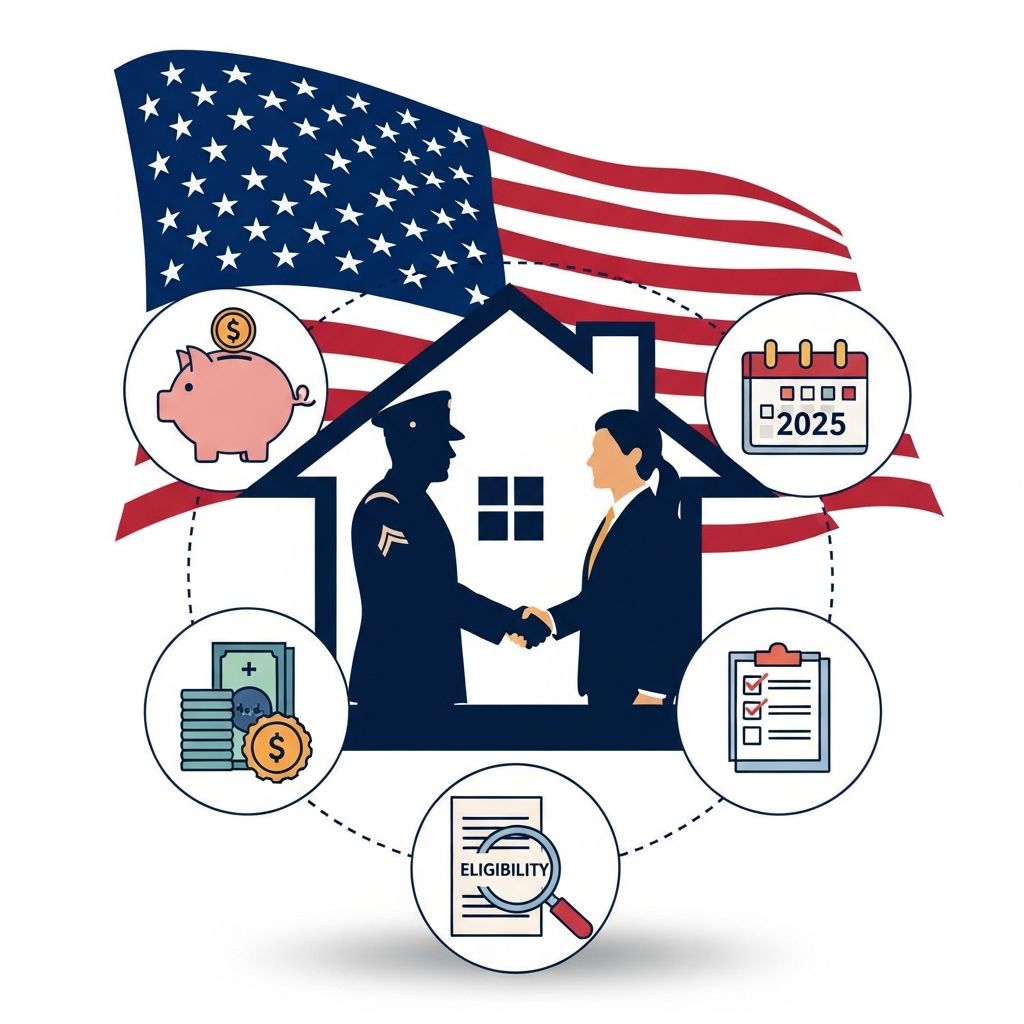
VA loans represent one of the most valuable benefits available to military service members and veterans, offering a pathway to homeownership with unique advantages unavailable through conventional financing. Unlike traditional mortgages, VA loans typically require no down payment, making them an attractive option for those who have served in the U.S. Armed Forces. However, qualifying for a VA loan involves meeting specific eligibility criteria established by the Department of Veterans Affairs and additional underwriting standards set by individual lenders.
VA Loan Eligibility Requirements: Service History
The foundation of VA loan eligibility rests on your military service record. To qualify for a VA-backed home loan, you must meet minimum service requirements that vary depending on when you served and your duty status.
Active-Duty Service Members
Active-duty service members can qualify for VA loans by meeting these criteria: you must have served at least 90 continuous days of active duty without any breaks in service. This requirement applies to those currently serving and looking to purchase a home while on active duty. The 90-day threshold does not include time spent in active-duty training (ADT), so only verified active-duty service counts toward this requirement.
Veterans with Completed Service
Veterans who have left active duty must meet specific length-of-service requirements based on when they served. Generally, veterans who served 90 days of active duty during wartime or 181 days during peacetime qualify for VA loan benefits. For those who separated before specific dates, requirements may differ. For example, those who served on or after August 2, 1990, typically need 90 continuous days of active duty, while earlier service members may have different requirements.
Reserve and National Guard Members
Members of the Selected Reserve or National Guard can qualify by completing at least 90 days of non-training active-duty service or six creditable years of membership. Additionally, these service members must have been honorably discharged or currently be serving satisfactorily.
Surviving Spouses and Dependents
Surviving spouses of veterans may be eligible for VA loan benefits under specific circumstances. Eligibility exists if your spouse died while in active service or from a service-connected disability, or if they are currently missing in action or a prisoner of war. Importantly, surviving spouses who remarried after age 57 or after December 16, 2003, may still retain eligibility, depending on the circumstances of the remarriage.
The Certificate of Eligibility: Your Qualification Proof
Before lenders will consider your VA loan application, you must obtain a Certificate of Eligibility (COE), which serves as official verification that you meet the VA’s service requirements. This document is essential and typically the first step in the VA loan process.
How to Obtain Your COE
The process for obtaining a COE has been streamlined for most veterans. You can request your COE through the VA eBenefits website, by mail, or by submitting VA Form 26-1880. Additionally, many lenders can pull your COE directly using only your Social Security number and date of birth, making the process even more convenient. For active-duty service members, a statement of service signed by your unit commander or personnel officer typically serves as verification.
Documentation Requirements
Depending on your military status, you may need to provide additional documentation. Veterans should have their DD Form 214, which documents your character of service and reason for separation. Active-duty members need a current statement of service, while Reserve and National Guard members may need additional forms verifying their service commitment and discharge characterization.
Credit Score Requirements for VA Loans
Unlike conventional loans, the VA itself does not mandate a minimum credit score for borrowers. However, this flexibility doesn’t mean lenders ignore creditworthiness. Individual lenders establish their own credit standards based on their risk assessment policies.
Typical Lender Credit Standards
Most VA loan lenders require a minimum FICO credit score between 620 and 670, though some may accept scores as low as 600 under certain circumstances. Veterans United, a major VA lender, typically requires a minimum credit score of 620. These requirements are generally more lenient than those for conventional mortgages, recognizing that veterans may have unique credit profiles.
Credit Report Review
Beyond your credit score, lenders carefully examine your credit report, particularly your history of making timely payments. Lenders assess whether you have responsibly managed past debts and obligations, as this indicates your likelihood of repaying a mortgage. A solid payment history can sometimes offset a lower credit score.
Building or Improving Your Credit for VA Loans
If your credit score falls below typical lender minimums, you have options. Some lenders may approve your application with a higher interest rate or require a down payment despite VA loan guidelines allowing zero-down financing. Alternatively, you can work to improve your credit score before applying by paying down existing debts and ensuring all payments are made on time.
Income and Debt-to-Income Ratio Requirements
VA lenders assess your ability to repay the loan by examining your income and existing debt obligations. These financial metrics determine not only whether you qualify but also the loan amount and interest rate you receive.
Income Verification and Employment
Lenders require proof of steady, reliable income sufficient to cover your monthly mortgage payments plus existing financial obligations. This typically involves providing recent pay stubs, W-2 forms, and tax returns. For self-employed veterans, additional documentation such as business tax returns and profit-and-loss statements may be necessary. Lenders want to ensure your income is stable and likely to continue, so recent job changes or unstable income history may be viewed with greater scrutiny.
Debt-to-Income Ratio (DTI)
The VA prefers that borrowers maintain a debt-to-income ratio of no more than 41%, meaning your total monthly debt payments should not exceed 41% of your gross monthly income. However, this is not a strict maximum. Borrowers with DTI ratios above 41% may still qualify if they demonstrate sufficient “residual income,” which represents money available after paying all debts, housing costs, and living expenses. Residual income serves as a safety net, indicating that borrowers can cover essential needs such as food and clothing even after meeting all financial obligations.
Additional VA Loan Requirements and Considerations
Primary Residence Requirement
VA loans require that you will occupy the property as your primary residence. You cannot use VA loan benefits to purchase investment properties, vacation homes, or rental properties. This requirement ensures that VA loan benefits support veterans in achieving homeownership for themselves and their families.
VA Appraisal and Property Standards
The VA mandates that all properties financed with VA loans undergo a formal appraisal by a VA-approved appraiser. This appraisal serves two purposes: it establishes the property’s fair market value and ensures the home meets VA Minimum Property Requirements (MPRs). These standards ensure the property is safe, sanitary, and structurally sound, protecting both lenders and borrowers from purchasing substandard properties.
Funding Fee
Most VA loan borrowers must pay an upfront funding fee, which compensates the VA for the risk of guaranteeing the loan. This fee varies based on your military service category, down payment amount, and whether you have received VA disability compensation. Some veterans, particularly those with service-connected disabilities rated by the VA, may be exempt from this fee.
VA Loan Entitlement and Limits
VA loan entitlement represents the amount the VA will guarantee on your behalf. As of 2020, most lenders no longer impose loan limits for borrowers with full entitlement, meaning you can borrow as much as a lender is willing to approve. Full entitlement typically applies to first-time VA loan users or those who previously used VA loans, sold the property, and repaid the loan in full.
However, most lenders require that your entitlement, down payment, or a combination of both covers at least 25% of the total loan amount. This requirement protects lenders’ interests in the property.
Frequently Asked Questions About VA Loans
Q: What makes VA loans different from conventional mortgages?
A: VA loans offer several distinctive advantages, including no down payment requirement, no private mortgage insurance (PMI), competitive interest rates, and more flexible credit requirements. The VA backs these loans, reducing lender risk, which translates to better terms for borrowers.
Q: Can I use my VA loan benefit more than once?
A: Yes, your VA loan benefit can be used multiple times. If you paid off a previous VA loan after selling the property, you can use your entitlement again. Some veterans have used their benefits multiple times throughout their lives to purchase different properties.
Q: What happens if I’m dishonorably discharged?
A: Generally, those with dishonorable discharges do not qualify for VA benefits. However, other discharge types may still provide eligibility. You should verify your discharge characterization with the VA, as some veterans with less-than-honorable discharges may still qualify under certain circumstances.
Q: Do I need to be a first-time homebuyer to get a VA loan?
A: No, VA loans are available to all eligible veterans regardless of homebuying experience. Both first-time and experienced homebuyers can benefit from VA loan advantages.
Q: How long does the VA loan approval process take?
A: The timeline varies by lender and individual circumstances, but most VA loan approvals take between 30 to 45 days from application to closing, similar to conventional mortgage timelines.
Q: Can I assume a VA loan if I purchase a property from another veteran?
A: Yes, VA loans can be assumed by qualified buyers, whether they are veterans or civilians. This can be advantageous if the existing loan has favorable terms compared to current market rates.
Getting Started with Your VA Loan Application
Beginning your VA loan journey requires gathering necessary documentation and connecting with a VA-knowledgeable lender. Start by obtaining your Certificate of Eligibility, then organize financial documents including pay stubs, tax returns, and debt information. Contact VA-approved lenders to discuss your specific situation and receive pre-approval. Many lenders specialize in VA loans and understand the unique aspects of these mortgages, making them valuable resources throughout your homebuying process.
By meeting the eligibility requirements—military service history, valid Certificate of Eligibility, acceptable credit score, sufficient income, and appropriate debt-to-income ratio—you can access homeownership benefits designed specifically for those who have served in the U.S. Armed Forces. VA loans represent a meaningful way the nation honors military service by making homeownership more accessible and affordable for veterans and service members.
References
- VA Loan Requirements and Eligibility Guidelines 2025 — NerdWallet. 2025. https://www.nerdwallet.com/mortgages/learn/va-loan-eligibility-requirements
- 2025 VA Loan Eligibility Requirements — Veterans United. 2025. https://www.veteransunited.com/va-loans/va-home-loan-eligibility/
- VA Home Loan Requirements for 2025 — Bankrate. 2025. https://www.bankrate.com/mortgages/va-loan-requirements/
- VA Loan Requirements for 2025 — Experian. 2025. https://www.experian.com/blogs/ask-experian/va-loan-requirements/
- Eligibility For VA Home Loan Programs — U.S. Department of Veterans Affairs. https://www.va.gov/housing-assistance/home-loans/eligibility/
- VA Home Loan Entitlement And Limits — U.S. Department of Veterans Affairs. https://www.va.gov/housing-assistance/home-loans/loan-limits/
Similar Articles








Read full bio of Sneha Tete