VA Loans: Benefits and Drawbacks Explained
Discover the key advantages and limitations of VA loans to decide if this mortgage option fits your homebuying goals as a veteran or service member.

VA loans stand out as a specialized mortgage program designed specifically for veterans, active-duty military personnel, and certain surviving spouses. Backed by the U.S. Department of Veterans Affairs, these loans aim to facilitate homeownership by removing common barriers like large upfront costs. This guide dives deep into what makes VA loans attractive, the potential hurdles borrowers face, and how they stack up against other financing options. Whether you’re a first-time buyer or refinancing, understanding these elements can help you make an informed decision.
Understanding the Core Appeal of VA Loans
At their heart, VA loans prioritize accessibility for those who have served the nation. Unlike traditional mortgages, they eliminate several financial obstacles that often sideline eligible buyers. Key features include flexible entry requirements and cost-saving measures that can significantly lower the overall expense of borrowing.
- Zero Down Payment Option: Borrowers can often secure financing without putting any money down, preserving savings for other needs like moving or home improvements.
- Elimination of Private Mortgage Insurance (PMI): Even with little to no equity upfront, there’s no ongoing PMI, which typically adds hundreds to monthly payments on other loans.
- Affordable Rates: Lenders offer competitive interest rates due to the VA’s guarantee, reducing long-term costs.
These pillars make VA loans a cornerstone of military benefits, as outlined by official VA resources.
Key Advantages That Set VA Loans Apart
VA loans provide multiple financial and practical benefits that can accelerate the path to homeownership. Here’s a closer look at the standout perks.
Access Without Upfront Capital
The absence of a down payment requirement is perhaps the most celebrated feature. For a $300,000 home, this could mean avoiding a $9,000 to $60,000 outlay that conventional loans demand. Lenders may occasionally request a down payment based on credit or debt profiles, but the VA itself imposes no such mandate. This flexibility proves invaluable for service members relocating frequently or those with limited liquid assets.
No Monthly Insurance Premiums
Conventional loans with less than 20% down require PMI, costing $100-$200 monthly on mid-sized loans. VA loans bypass this entirely, channeling those savings back to the borrower. Over 30 years, this can amount to tens of thousands in avoided expenses.
Superior Interest Rates and Reduced Fees
Backed by the VA, lenders mitigate risk and pass on savings through lower rates—often 0.5% below conventional averages. Closing costs are capped, with origination fees limited to 1% of the loan amount. This structure keeps total out-of-pocket expenses lower.
Flexible Qualification Standards
VA loans accommodate higher debt-to-income (DTI) ratios up to 41%, compared to 36% for conventional loans. Credit minimums are lenient, often around 620, and waiting periods post-bankruptcy or foreclosure are shorter—two years versus up to seven. This openness suits borrowers recovering from financial setbacks.
Refinancing Versatility and Assumability
Options like the Interest Rate Reduction Refinance Loan (IRRRL) streamline rate drops with minimal hassle. VA loans are also assumable, allowing buyers to take over the seller’s favorable terms—a rarity in today’s market. No prepayment penalties further enhance flexibility.
Potential Challenges and Limitations
While powerful, VA loans aren’t without trade-offs. Awareness of these can prevent surprises during the process.
The VA Funding Fee
A one-time fee ranging from 1.25% to 3.3% of the loan amount funds the program. First-time users pay less, but it rises with subsequent uses unless exempted (e.g., service-connected disabilities). Roll it into the loan or pay upfront—it’s often cheaper than cumulative PMI.
Rigorous Property Evaluations
VA appraisals enforce strict Minimum Property Requirements (MPRs) to ensure safety and durability. This can delay closings or disqualify homes needing repairs, though it protects buyers long-term.
Primary Residence Restriction
Funds must go toward your main home—no investment properties or vacation homes allowed. This limits versatility for real estate investors.
Limited Lender Availability and Loan Caps
Not all lenders originate VA loans, potentially narrowing choices. Borrowing limits tie to county levels, though no-down-payment options often exceed these via guaranty adjustments.
Seller and Market Familiarity Issues
Some sellers hesitate due to appraisal complexities or unfamiliarity, though education can mitigate this.
Who Qualifies for VA Loan Benefits?
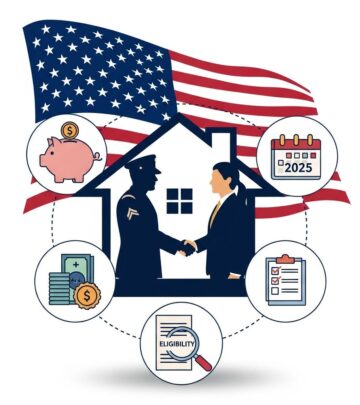
Eligibility hinges on service history via a Certificate of Eligibility (COE). Active-duty members need 90 days of service; veterans typically 181 days during wartime or 90 days peacetime with honorable discharge. Reserves and National Guard have specific criteria, as do surviving spouses. Obtain your COE through the VA portal or lender.
VA Loans Versus Other Mortgage Types
To gauge fit, compare with alternatives:
| Feature | VA Loan | Conventional | FHA | USDA |
|---|---|---|---|---|
| Down Payment | 0% | 3-20% | 3.5% | 0% |
| PMI/MIP | None | Yes (<20% down) | Yes | None |
| Min Credit Score | ~620 | 620+ | 580+ | 640+ |
| DTI Max | 41% | 36-45% | 43-50% | 41% |
| Property Type | Primary only | Any | Primary | Rural primary |
VA excels for zero-down primary purchases without insurance; conventional suits high-credit investors; FHA aids lower scores with MIP costs.
Navigating the VA Loan Application Journey
Steps include: 1) Secure COE; 2) Get pre-approved; 3) Shop homes meeting MPRs; 4) Undergo appraisal; 5) Close with funding fee consideration. Timelines average 45-60 days, similar to others but with unique inspections.
Strategic Tips for Maximizing VA Loan Value
- Compare lender rates and fees diligently.
- Waive contingencies cautiously—appraisals are robust safeguards.
- Reuse entitlement wisely to minimize fees.
- Explore IRRRL for rate reductions without appraisal.
- Consult VA-approved lenders early.
Frequently Asked Questions (FAQs)
Can I use a VA loan for a second home?
No, strictly for primary residences.
Is the funding fee refundable?
If restoring entitlement post-sale, partially via claim.
What if the home doesn’t pass VA appraisal?
Sellers fix issues or renegotiate; worst case, walk away.
Do VA loans have prepayment penalties?
None, allowing penalty-free payoff.
Can family members assume my VA loan?
Yes, civilians and veterans can, retaining original terms.
Is a VA Loan Right for Your Situation?
For eligible borrowers prioritizing low costs and easy entry into primary homeownership, VA loans often tip the scales favorably. Weigh funding fees against PMI savings and consider your long-term plans. Consulting a VA specialist ensures alignment with your goals.
References
- Pros and cons of VA loans – Rocket Mortgage — Rocket Mortgage. 2026. https://www.rocketmortgage.com/learn/va-loans-pros-and-cons
- Pros and Cons of the VA Loan in 2026 – Veterans United Home Loans — Veterans United. 2026. https://www.veteransunited.com/valoans/va-loan-pros-and-cons/
- VA Loans: Their Benefits And Disadvantages | Bankrate — Bankrate. 2026. https://www.bankrate.com/mortgages/va-loan-pros-cons/
- VA Home Loans – Veterans Benefits Administration — U.S. Department of Veterans Affairs. 2026. https://www.benefits.va.gov/homeloans/
- Pros and Cons of a VA Loan – Experian — Experian. 2026. https://www.experian.com/blogs/ask-experian/va-loan-pros-cons/
- Pros and cons of a Veterans Affairs (VA) home loan – Chase Bank — Chase. 2026. https://www.chase.com/personal/mortgage/education/financing-a-home/va-loan-pros-cons
- VA Loan Pros and Cons: What to Know Before You Apply — Neighbors Bank. 2026. https://www.neighborsbank.com/learn/va-loan-pros-cons/
Similar Articles








Read full bio of medha deb