VA Home Loans: 5-Step Guide To Using Benefits In 2026
Unlock homeownership benefits for veterans with zero-down VA loans, low rates, and no PMI in 2026.
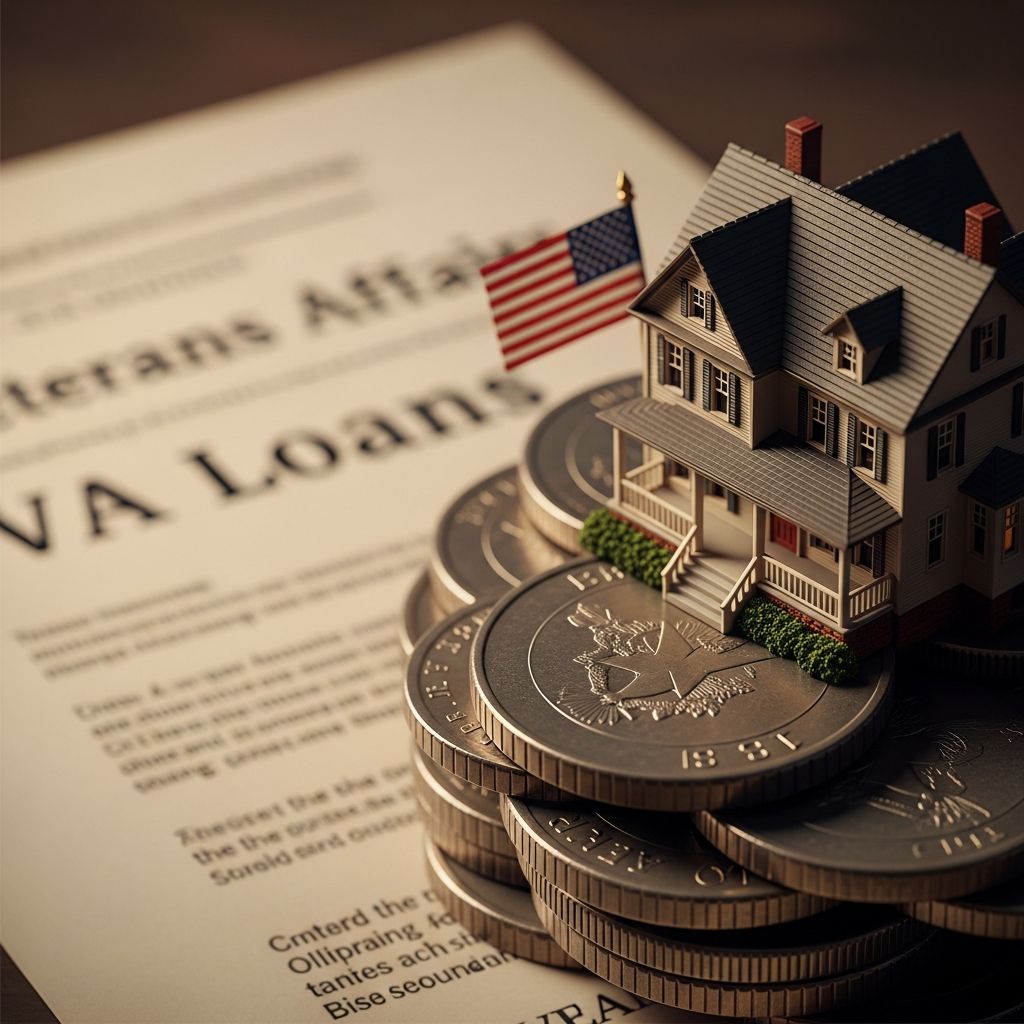
VA home loans provide military members, veterans, and eligible spouses with a powerful tool for achieving homeownership without traditional barriers like down payments or private mortgage insurance. Backed by the U.S. Department of Veterans Affairs, these loans offer competitive rates and flexible terms designed to honor service.
Core Advantages of VA Home Loans
One of the standout features is the absence of a required down payment, allowing qualified buyers to finance 100% of the home’s value in many cases. Interest rates tend to be lower than conventional mortgages due to the VA guarantee, which reduces lender risk. Borrowers also avoid private mortgage insurance (PMI), a common expense for other loan types that can add hundreds to monthly payments.
Closing costs are capped and restricted; the VA prohibits certain fees, keeping expenses lower. There’s no penalty for early payoff, providing flexibility for financial changes. Credit flexibility is another plus, with no VA-mandated minimum score—lenders often approve scores starting at 580-620.
Who Qualifies for VA Home Financing?
Eligibility hinges on service history and duty status. Active duty members qualify after 90 consecutive days of service. Veterans need 90 days of wartime service or 181 days of peacetime service, depending on their era. National Guard and Reserves members typically require six years of service or 90 days of qualifying active duty.
Surviving spouses of veterans who died in service or from service-related causes may also qualify if they haven’t remarried. A Certificate of Eligibility (COE) proves qualification and is requested through the VA or lender.
| Service Category | Key Requirements |
|---|---|
| Active Duty | 90 consecutive days |
| Veterans | 90 wartime/181 peacetime days |
| National Guard/Reserves | 6 years or 90 active duty days |
Property Types and Standards
VA loans finance primary residences only, excluding vacation homes or investments. Eligible properties include single-family homes, condos in VA-approved complexes, manufactured homes on permanent foundations, and multi-unit buildings up to four units if the owner occupies one.
- Properties must be safe, structurally sound, and sanitary per VA Minimum Property Requirements (MPRs).
- Appraisals verify compliance with habitability standards like functional roofing, heating, and no hazards.
- New construction or energy-efficient upgrades may qualify under specific programs.
Occupancy requires moving in within a reasonable time, such as 60 days, though deployments allow dependents to occupy.
Financial and Credit Guidelines
Lenders assess credit, income, debt-to-income (DTI) ratio, and residual income—money left after obligations for living expenses. No set VA credit score minimum exists, but lenders often want 620+; lower scores may work with strong profiles.
DTI typically caps at 41%, but compensating factors like savings can help. Residual income varies by region and family size, ensuring post-payment affordability.
Funding Fees and Costs
First-time users pay 2.15% of the loan for zero-down loans; subsequent uses are 3.3% unless exempt. Service-connected disabled veterans get full exemptions. Fees can be financed into the loan.
2026 brings higher conforming loan limits, boosting zero-down options for those with partial entitlement. Full entitlement means no VA loan cap.
Step-by-Step Application Process
- Obtain COE: Use VA portal, eBenefits, or lender to verify eligibility.
- Pre-approval: Shop VA-approved lenders for rate locks and commitment letters.
- Find a home: Work with a realtor familiar with VA appraisals.
- Appraisal and underwriting: VA appraiser inspects; lender reviews finances.
- Closing: Sign documents; funding fee applies unless waived.
2026 Updates and Stability
Core rules like occupancy, property eligibility, and residual income tests remain steady. New conforming limits expand access, and the VA Home Loan Program Reform Act introduces foreclosure prevention tools like partial claims. Lenders maintain overlays on credit and DTI.
Veterans with full entitlement face no loan limits, while partial requires 25% coverage and possible down payments.
Comparing VA Loans to Alternatives
| Feature | VA Loan | Conventional | FHA |
|---|---|---|---|
| Down Payment | 0% possible | 3-20% | 3.5% |
| PMI | None | Yes if <20% | MIP required |
| Credit Minimum | Flexible (620 typical) | 620+ | 580+ |
| Funding Fee | Yes, waivable | N/A | UFMIP |
Common Myths Debunked
- Myth: VA loans are only for first homes. Fact: Lifetime benefit, reusable after entitlement restores.
- Myth: Strict credit rules. Fact: No VA minimum; focuses on overall profile.
- Myth: Limited properties. Fact: Includes condos, multi-units if owner-occupied.
Frequently Asked Questions
Can I use a VA loan for investment properties?
No, must be primary residence.
What’s the 2026 loan limit?
Full entitlement: none; partial tied to county limits.
Do I need perfect credit?
No VA minimum, but lenders set thresholds around 620.
How much is the funding fee?
2.15-3.3% for most, exempt for disabled vets.
Can spouses apply alone?
Yes, if eligible surviving spouses.
Tips for Veterans Entering the Market
Check entitlement status first via VA tools. Compare multiple lenders for best rates. Budget for funding fees and get pre-approved to strengthen offers. Partner with VA-savvy agents to navigate appraisals smoothly.
Monitor credit and reduce debt to improve DTI. For multi-unit buys, calculate rental income potential while occupying one unit.
References
- Complete Guide to VA Home Loans for 2026 — Military.com. 2026. https://www.military.com/va-loans/learn/va-home-loans-guide/
- VA Loan Requirements for 2026 — Experian. 2026. https://www.experian.com/blogs/ask-experian/va-loan-requirements/
- How Did VA Loan Requirements Change For 2026? — VA Loan Network. 2026. https://valoannetwork.com/key-va-loan-requirement-changes-for-2026/
- Eligibility For VA Home Loan Programs — Veterans Affairs (va.gov). 2026. https://www.va.gov/housing-assistance/home-loans/eligibility/
- VA Home Loans — Veterans Benefits Administration (benefits.va.gov). 2026. https://www.benefits.va.gov/homeloans/
- 2026 VA Loan Eligibility Requirements — Veterans United Home Loans. 2026. https://www.veteransunited.com/va-loans/va-home-loan-eligibility/
- VA Home Loan Entitlement And Limits — Veterans Affairs (va.gov). 2026. https://www.va.gov/housing-assistance/home-loans/loan-limits/
Similar Articles








Read full bio of medha deb