Using Savings Accounts for Bill Payments
Explore whether savings accounts can handle your bills, the risks involved, and smarter strategies for seamless payments.
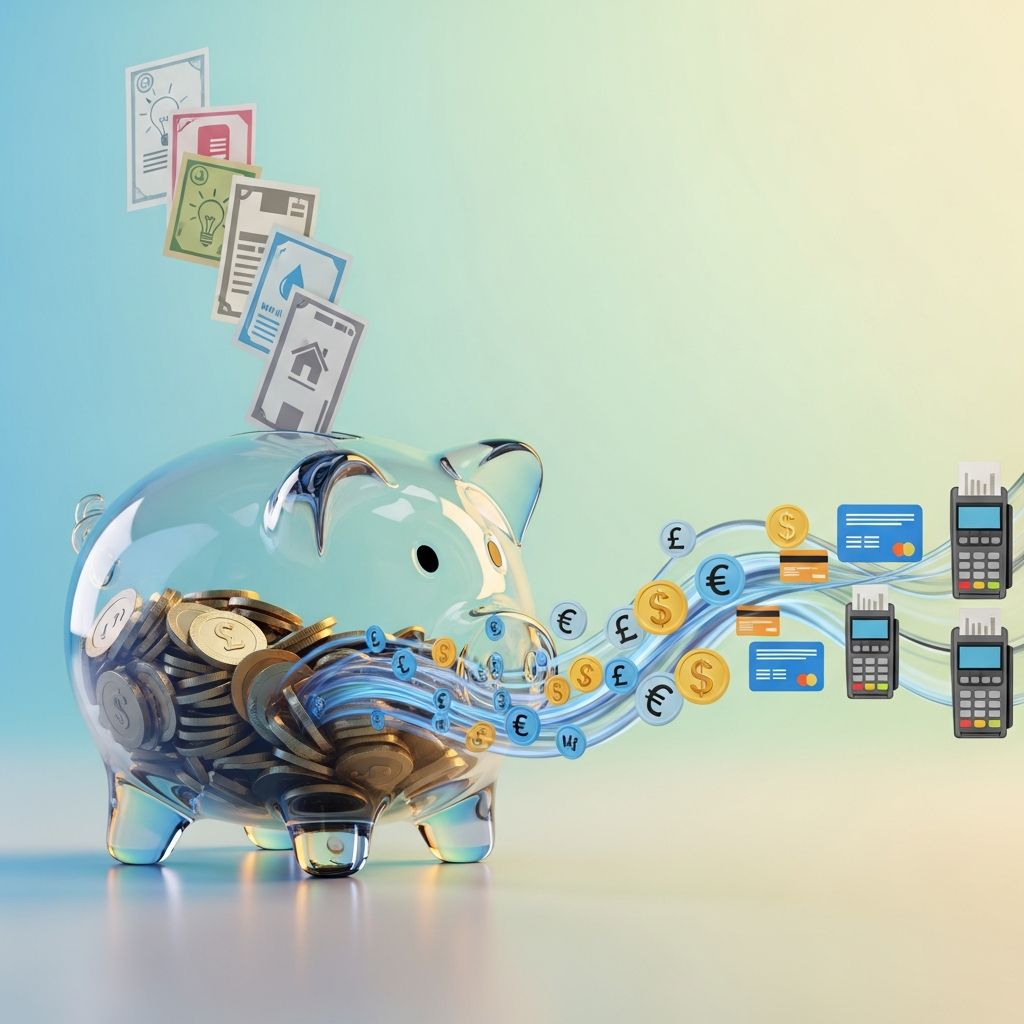
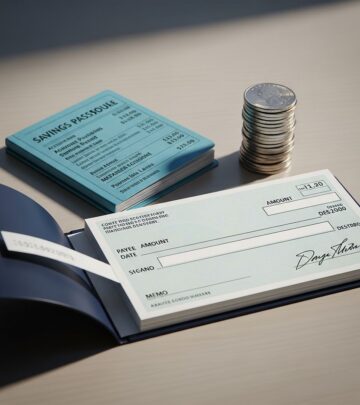
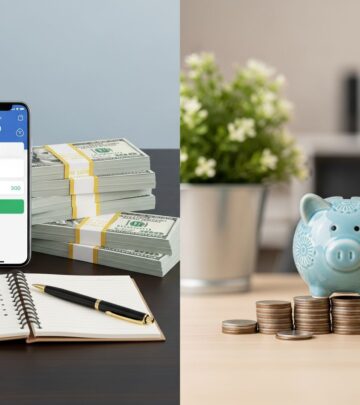
Savings accounts primarily serve as repositories for building financial reserves rather than facilitating routine expenditures. Directly paying bills from them is generally impractical due to the absence of standard payment tools like debit cards or checks, though indirect methods exist with caveats.
The Core Purpose of Savings Accounts
Savings accounts are designed to encourage long-term financial growth by holding funds that accrue interest over time. Banks impose restrictions to prevent frequent withdrawals, aligning with federal regulations that limit transactions to six per month for certain types. This setup protects savers from impulsive spending but complicates immediate bill settlements.
Unlike transactional accounts, savings options lack integrated payment mechanisms. Without debit cards or check-writing capabilities, users must rely on transfers or manual processes, which introduce delays and potential fees. These limitations stem from the account’s role in fostering disciplined saving habits rather than daily cash flow management.
Challenges in Direct Bill Payments from Savings
Attempting to pay bills straight from a savings account often requires sharing sensitive routing and account numbers with billers. This grants external entities direct access, raising risks of erroneous debits or unauthorized draws. Processing times can extend beyond due dates, potentially incurring late fees.
Moreover, exceeding monthly transaction limits triggers penalties or account restrictions. In urgent scenarios, such as month-end shortfalls, this method proves cumbersome compared to more fluid alternatives. Physical visits to branches for cashier’s checks add time and inconvenience.
- Limited accessibility: No debit cards or checks available.
- Transaction caps: Federal rules restrict automated transfers.
- Security concerns: Sharing details exposes funds to errors.
- Fee risks: Over-limit actions lead to charges.
Indirect Methods to Access Savings Funds
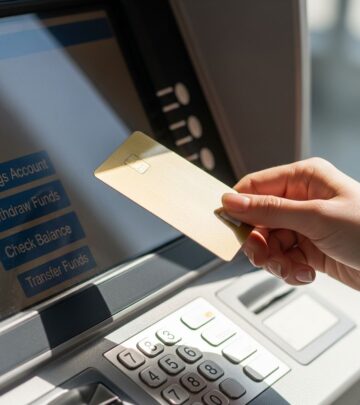
While direct payments falter, transferring funds to a checking account bridges the gap effectively. Most banks allow quick internal moves via apps or online portals, often free and instantaneous within the same institution.
For cross-bank needs, ACH transfers process within 1-3 business days. Users can schedule these ahead of bill cycles to maintain liquidity without violating savings rules. Automating transfers ensures funds arrive just in time, balancing preservation with necessity.
| Method | Timeframe | Cost | Best For |
|---|---|---|---|
| Internal Transfer | Instant | Free | Same-bank accounts |
| ACH Transfer | 1-3 days | Low/Free | Scheduled bills |
| Cashier’s Check | Same day | $10-15 | Urgent one-offs |
Superior Alternatives for Routine Bill Handling
Leveraging Checking Accounts Effectively
Checking accounts excel in bill payments with features like free electronic debits and autopay setups. Maintain a buffer by transferring from savings periodically, avoiding overdrafts that cost $30+ per incident. Many banks offer no-fee options with robust digital tools.
Digital Bill Pay Services from Major Banks
Services like those from Bank of America enable payments from checking or select savings-linked accounts, handling both electronic transfers and mailed checks seamlessly. Schedule one-time or recurring disbursements, with e-bills integrating notifications for timely action.
U.S. Bank and similar providers prioritize electronic methods for speed, resorting to checks only when needed, with clear calendars showing processing types.
- One-time payments for irregular expenses.
- Recurring setups for utilities and subscriptions.
- eBill alerts via email or app pushes.
Prepaid Debit Cards as a Backup Option
Load prepaid cards from savings via transfers or cash deposits to mimic checking functionality. They support online and in-person payments but watch for activation or usage fees that erode value. Ideal for controlled spending without linking primary accounts.
Strategic Financial Management Tips
Align your banking habits with cash flow realities. Budget to keep checking balances adequate, using savings as a safety net rather than primary source. Tools like high-yield checking accounts reward bill payments with interest, blending saving and spending.
Monitor transaction histories to stay under limits, and explore banks waiving savings transfer fees. Automate inflows from paychecks to checking first, then overflow to savings, reversing the dip only as needed.
Frequently Asked Questions
Can any savings account pay bills directly?
No, most lack debit cards or checks; transfers are required.
What happens if I exceed savings withdrawal limits?
Banks may charge fees, convert to checking, or restrict access.
Is online bill pay free?
Typically yes from checking accounts at major banks.
How long do bank transfers take?
Instant internally, 1-3 days via ACH externally.
Are there apps for managing bills across accounts?
Yes, bank apps and services like NerdWallet-recommended tools integrate seamlessly.
Long-Term Benefits of Separating Accounts
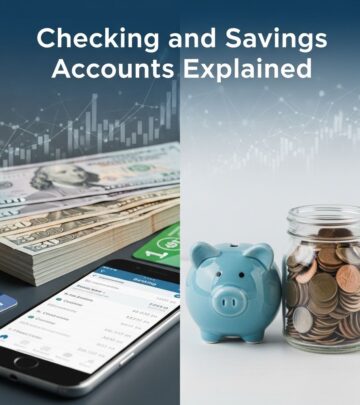
Maintaining distinct checking and savings roles builds wealth steadily. Checking handles volatility, while savings grows untouched. Over time, compound interest amplifies reserves, funding goals like emergencies or investments.
Review statements monthly to refine transfers, ensuring optimal balances. As digital banking evolves, features like real-time alerts enhance control, minimizing savings encroachments.
References
- Can I Pay Bills With a Savings Account? — Experian. 2023. https://www.experian.com/blogs/ask-experian/can-i-pay-bills-with-savings-account/
- How Online and Mobile Bill Pay Works — Bank of America. 2026-01-05. https://info.bankofamerica.com/en/digital-banking/online-bill-pay
- Online Bill Pay: What It Is and Why to Use It — NerdWallet. 2024. https://www.nerdwallet.com/banking/learn/online-bill-pay-what-it-is-why-you-should-use-it
- Bill Pay online – Easy, secure payments — U.S. Bank. 2025. https://www.usbank.com/online-mobile-banking/bill-pay.html
- Ways to pay your bills — Consumer Financial Protection Bureau. 2015-07. https://files.consumerfinance.gov/f/documents/201507_cfpb_ways-to-pay-your-bills.pdf
Similar Articles








Read full bio of medha deb