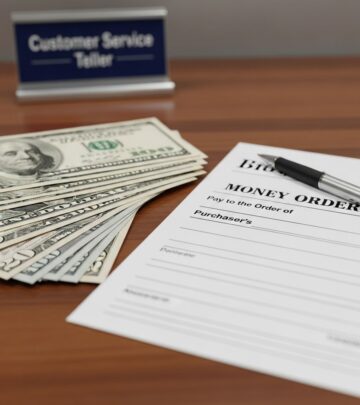
Using Credit Cards for Money Orders: Is It Possible?
Explore whether credit cards work for money orders, the hidden costs involved, and smarter alternatives for secure payments.
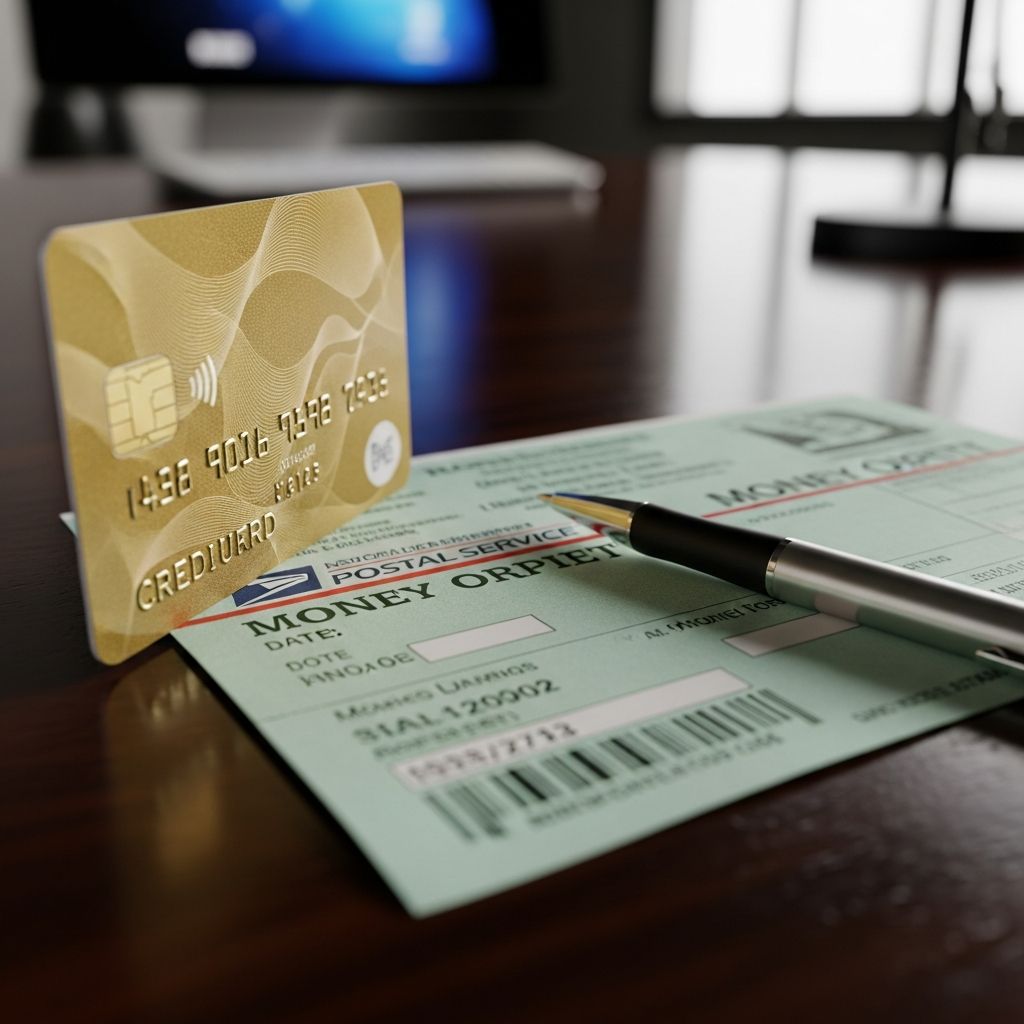
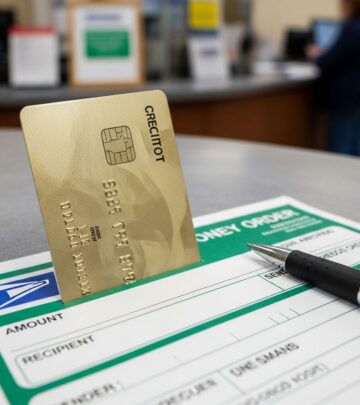
Money orders provide a secure way to send funds without the risks associated with personal checks. However, using a credit card to acquire one is rarely straightforward. Most providers reject credit cards outright, pushing users toward cash advances that carry steep penalties.
What Exactly Is a Money Order and When Should You Use One?
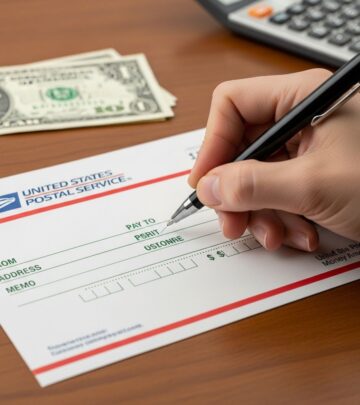
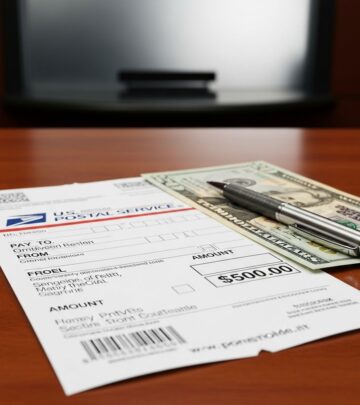
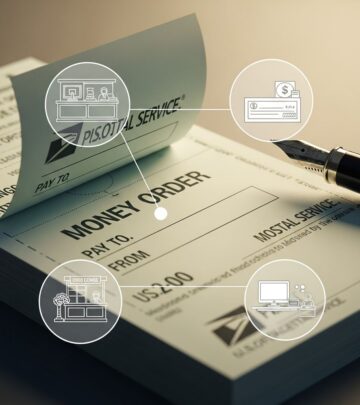
A money order acts as a prepaid payment instrument, guaranteed by the issuing institution. Unlike checks, it cannot bounce due to insufficient funds since payment occurs upfront. Recipients trust them for rent, bills, or remote transactions where verification is challenging.
Common scenarios include paying landlords who avoid electronic payments or sending money internationally without bank details. They offer peace of mind in fraud-prone situations, but convenience comes with fees typically ranging from $1 to $5 per order, depending on the outlet.
Direct Credit Card Purchases: Why They’re Off the Table
Issuers like the U.S. Postal Service (USPS), Walmart, and MoneyGram explicitly prohibit credit card use for money orders. USPS mandates cash or debit cards only, citing fraud prevention and processing costs.
- USPS: Cash/debit only; no credit cards permitted.
- Walmart/MoneyGram: Similar restrictions to minimize disputes.
- Banks/Credit Unions: Often limit to account holders using debit or cash.
This policy stems from money orders functioning like cash equivalents. Credit cards introduce reversible transactions, undermining the finality buyers seek.
The Cash Advance Workaround: How It Works and Why to Avoid It
Technically, credit cards can fund money orders indirectly via cash advances. Withdraw cash from an ATM or bank using your card’s PIN, then buy the money order with those funds. This treats the withdrawal as borrowing against your credit line.
However, this method triggers multiple penalties:
| Cost Type | Typical Range | Impact |
|---|---|---|
| Cash Advance Fee | 3-5% (min $10) | Immediate charge on top of amount withdrawn. |
| Interest Rate | 25-30% APR | Accrues from day one, no grace period. |
| Money Order Fee | $1-5 | Added at purchase point. |
| ATM Fee | $2-5 | Per withdrawal if not in-network. |
For a $500 money order, expect $25+ in fees plus ongoing interest if unpaid. NerdWallet notes this exceeds costs of cash, debit, or traveler’s checks. Chase warns that even rare direct acceptances get coded as advances by issuers.
Fee Breakdown: A Real-World Example
Consider buying a $1,000 money order:
- Cash advance fee: 5% = $50
- Money order fee: $3
- ATM surcharge: $3
- Interest (29% APR on $1,000 for 30 days): ~$24
- Total extra cost: $80+ in first month
Contrast with debit: Just the $3 order fee. Bankrate highlights how unpaid balances compound these expenses rapidly.
Where to Buy Money Orders Without Credit Card Hassles
Stick to verified locations accepting preferred methods:
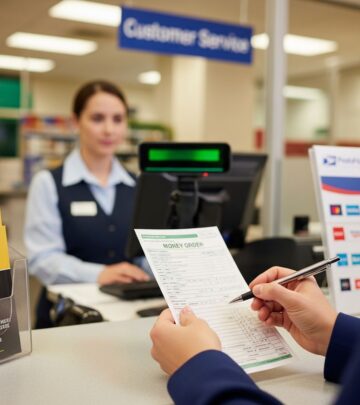
- Post Offices: USPS up to $1,000 domestic; fees $1.75-$2.45.
- Banks/Credit Unions: Often free for members; limits vary.
- Retailers: Walmart ($1,000 max, $0.88 fee), 7-Eleven ($500 max).
- Check Cashing Stores: Higher fees but wider hours.
Always verify limits: Domestic max $1,000; international up to $700 at USPS.
Smarter Alternatives to Traditional Money Orders
Digital options often outperform money orders in speed and cost:
- ACH Transfers: Free via bank apps for bills; secure and trackable.
- P2P Apps: Venmo, Zelle for domestic; low/no fees.
- Prepaid Debit Cards: Load with bank transfer; usable like cash.
- Wire Transfers: Faster for large sums, though pricier.
- Cashier’s Checks: Bank-guaranteed; sometimes free.
Discover recommends ACH for rent, avoiding cash advance traps. Remitly suggests mobile banking for international needs.
Pros and Cons Comparison
| Method | Pros | Cons |
|---|---|---|
| Credit Card (Advance) | Convenient access if no cash | High fees, interest, credit score hit |
| Cash/Debit | Low cost, widely accepted | Need funds upfront |
| Digital Transfers | Fast, trackable, often free | Requires recipient setup |
Protecting Your Credit Score from Poor Choices
Cash advances count as debt, raising utilization ratios and potentially lowering scores. Experian data shows high utilization over 30% harms FICO scores. Opt for debit to preserve credit health.
Frequently Asked Questions (FAQs)
Can any retailer still take credit cards for money orders?
Rarely; most treat as cash equivalents. Check locally, but expect advance fees.
What’s the maximum money order amount?
$1,000 domestic at most spots; $700 international via USPS.
Is a debit card always accepted?
Yes at major issuers like USPS, unlike credit.
How do I avoid cash advance fees?
Use bank transfers or withdraw from your checking account fee-free.
Are money orders safer than checks?
Yes, prepaid and non-bounceable, ideal for untrusted payees.
Final Tips for Hassle-Free Transactions
Plan ahead: Withdraw cash from your bank ATM to dodge fees. Track recipients’ preferences—many now accept apps. For emergencies, a small cash reserve beats credit pitfalls. Always fill out money orders at the counter to prevent theft.
References
- Can I Buy a Money Order With a Credit Card? — NerdWallet. 2023. https://www.nerdwallet.com/credit-cards/learn/can-i-buy-a-money-order-with-a-credit-card
- Can You Buy a Money Order With a Credit Card? — Experian. 2023. https://www.experian.com/blogs/ask-experian/can-you-buy-a-money-order-with-a-credit-card/
- Can You Buy a Money Order with a Credit Card? — Chase. 2023. https://www.chase.com/personal/credit-cards/education/basics/can-you-buy-money-orders-with-credit-cards
- Sending Money Orders — USPS (official .gov). 2026. https://www.usps.com/shop/money-orders.htm
- Can you buy a money order with your credit card? — Bankrate. 2023. https://www.bankrate.com/credit-cards/advice/how-to-buy-money-order-with-credit-card/
Similar Articles








Read full bio of medha deb