Used Car Prices and Insurance Premiums
Discover how rising used vehicle values directly impact your insurance costs
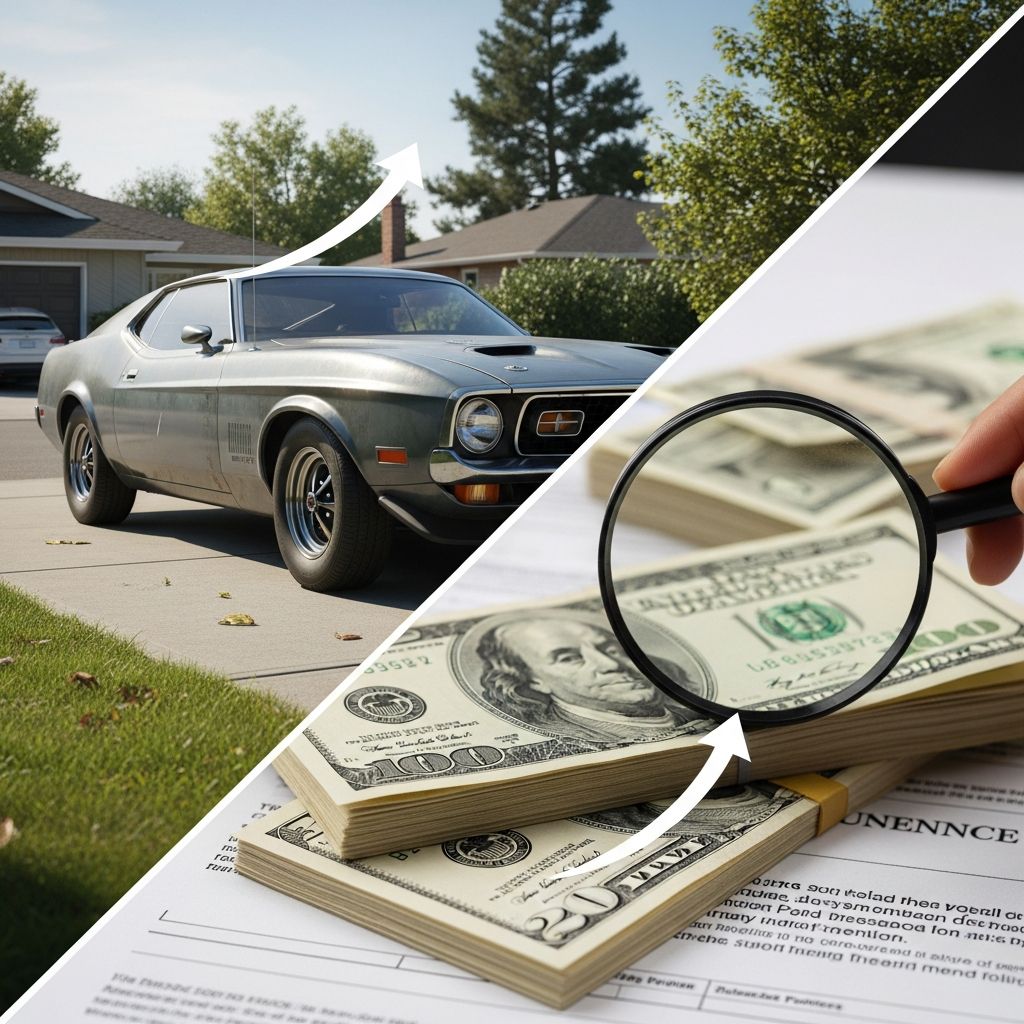
Understanding the Connection Between Used Vehicle Market Dynamics and Insurance Expenses
The automotive insurance industry operates on principles that directly tie vehicle value to premium calculations. When the used car market experiences significant price fluctuations, consumers often face unexpected insurance rate increases that compound their overall vehicle ownership expenses. This relationship between market conditions and insurance costs represents a critical consideration for buyers entering the used vehicle marketplace.
How Vehicle Valuation Influences Insurance Pricing Models
Insurance companies employ sophisticated algorithms that consider numerous variables when determining coverage costs. Among these variables, the monetary value of a vehicle stands as one of the most influential factors affecting premium calculations. When a used vehicle commands a higher price in the secondary market, insurers must adjust their risk assessments and pricing structures accordingly.
The connection operates through a straightforward economic principle: replacing or repairing a more expensive vehicle requires greater financial outlay from the insurance company. Consequently, the insurer transfers these anticipated costs to policyholders through elevated premiums. This mechanism ensures that insurance companies maintain adequate reserves to cover potential claims while protecting their profitability margins.
Insurance professionals utilize what industry experts refer to as “actual cash value” methodology when assessing vehicles. This approach differs fundamentally from simply using the price a buyer paid for a vehicle. Instead, insurers conduct independent evaluations based on market comparables, vehicle condition, mileage, and other objective criteria to establish the realistic replacement or repair cost.
Recent Market Shifts and Their Impact on Consumer Expenses
The automotive industry has experienced dramatic transformations in recent years that have reverberated through the insurance sector. Supply chain disruptions and production constraints created scenarios where used vehicles became increasingly scarce relative to demand. As availability dwindled, prices for pre-owned automobiles climbed substantially, creating what industry observers termed a “seller’s market” for used vehicles.
Financial data illustrates the magnitude of these price increases. Between specific quarters in recent years, the average amount financed on a used vehicle purchase increased by approximately $3,000, representing a meaningful uptick in vehicle valuations. When dealership inventories for new vehicles tightened, prospective buyers shifted their purchasing focus toward the used market, further intensifying demand and driving prices upward.
This escalation in vehicle prices created a challenging scenario for consumers shopping in the secondary market. While buyers grappled with higher purchase prices, they simultaneously faced the secondary burden of increased insurance premiums. The combined effect of elevated vehicle costs and higher insurance expenses placed significant financial pressure on household budgets.
Comparative Insurance Expenses: New Versus Pre-Owned Vehicles
The distinction between insuring newly manufactured automobiles and previously owned models carries important financial implications. New vehicles typically command premium rates significantly higher than comparable used models, with increases ranging from 12 to 30 percent depending on the specific make and model.
| Vehicle Model | Used Vehicle Insurance Cost | New Vehicle Insurance Cost | Premium Increase |
|---|---|---|---|
| Honda Civic | $2,834 | $3,677 | +30% |
| Volkswagen Jetta | $2,667 | $3,049 | +14% |
| Hyundai Elantra | $2,804 | $3,514 | +25% |
| Toyota Corolla | $2,999 | $3,352 | +12% |
| Ford Escape | $2,522 | $3,190 | +26% |
This disparity exists because new automobiles possess considerably higher market values than their pre-owned counterparts. Insurers must maintain reserves capable of covering replacement costs for vehicles valued in significantly higher brackets. Additionally, newer models often incorporate cutting-edge technology and expensive components that increase repair expenses when damage occurs.
The depreciation trajectory of vehicles also influences this pricing differential. New automobiles experience steeper value declines during their initial ownership years compared to used vehicles already positioned further along the depreciation curve. This accelerated value loss for new vehicles justifies the elevated insurance premiums insurers charge during the vehicle’s earliest ownership period.
Additional Factors Shaping Insurance Premium Calculations
While vehicle value represents a primary determinant of insurance costs, numerous other elements contribute to the overall premium structure. Understanding these contributing factors enables consumers to better comprehend their individual insurance quotes and identify areas where they might exert some control over expenses.
Vehicle Safety Performance and Loss History
Insurance companies maintain extensive databases documenting how frequently specific vehicle makes and models appear in insurance claims. Automobiles with records indicating higher accident frequencies, elevated repair costs, or greater susceptibility to theft typically face higher insurance premiums. Conversely, vehicles with strong safety ratings and established track records of lower claims incidence often qualify for favorable premium treatments.
Driver-Related Considerations
Policyholder characteristics significantly influence insurance pricing independent of vehicle factors. Drivers with established records of traffic violations, accidents, or insurance claims typically encounter elevated premiums across all their covered vehicles. The age of the primary driver also plays a substantial role, with younger and newly licensed drivers facing considerably higher insurance costs due to statistical risk associations with their demographic group.
Geographic and Residential Influences
The location where a vehicle owner resides materially affects insurance rates. Urban areas with higher theft rates, greater accident frequencies, and elevated repair shop costs generally command higher insurance premiums than rural locations. Additionally, regional variations in weather patterns, traffic density, and demographic factors create significant rate disparities across different geographic areas.
Coverage Selections and Deductible Levels
The specific coverage options selected by policyholders directly determine insurance expenses. Comprehensive and collision coverage, which address repair or replacement costs following covered incidents, represent the primary premium drivers when vehicle values increase. The deductible amount—representing out-of-pocket costs before insurance coverage applies—inversely correlates with premium levels; higher deductibles produce lower premiums.
Strategic Approaches to Managing Insurance Expenses
Consumers facing elevated insurance premiums due to market conditions possess several actionable strategies for potentially reducing their coverage costs. While these approaches require careful consideration to ensure adequate protection, they merit exploration when insurance bills create financial strain.
Adjusting Deductible Structures
One accessible method for reducing collision and comprehensive coverage premiums involves increasing the deductible amount. By accepting greater out-of-pocket responsibility for repairs following covered incidents, policyholders can negotiate lower insurance premiums. This strategy works effectively for consumers with substantial emergency savings reserves capable of covering deductible obligations if claims occur. However, individuals without adequate financial reserves should exercise caution before adopting this approach, as unexpected deductible payments could create financial hardship.
Comparison Shopping and Rate Quotation
Insurance rates vary considerably among different insurers for identical coverage on the same vehicle. Consumers should obtain quotes from multiple insurance providers before finalizing coverage decisions. This competitive shopping process often reveals substantial savings opportunities, with rate variations sometimes exceeding several hundred dollars annually for equivalent coverage levels.
Qualifying for Available Discounts
Insurance companies offer numerous discount programs that can substantially reduce overall premiums. Safe driving discounts reward policyholders with clean driving records, while bundling discounts apply when customers consolidate multiple insurance policies with a single provider. Some insurers offer discounts for vehicles equipped with advanced safety systems, anti-theft devices, or for completing defensive driving courses. Policyholders should explicitly inquire about all available discount opportunities when obtaining quotes.
Evaluating Purchase Price Negotiations
While negotiating a lower purchase price for a used vehicle represents a sound financial strategy, consumers should understand that this action does not directly reduce insurance premiums. Insurance companies determine rates based on independent valuations and market assessments rather than actual purchase prices. However, purchasing a less expensive vehicle model with lower market value will result in proportionally lower insurance costs, making this an indirect method for controlling insurance expenses.
The Intersection of Economic Factors and Insurance Pricing
Broader economic conditions extend beyond simple vehicle valuations to influence insurance rate structures. Inflation affecting labor costs, replacement parts, and repair facility expenses directly impacts the expenses insurers incur when settling claims. When these costs increase industry-wide, insurers adjust premium rates across their entire customer base to maintain financial stability and profitability. Additionally, economic pressures affecting the cost of materials and manufacturing have created situations where used vehicle values remain elevated despite supply chain improvements, perpetuating pressure on insurance rates.
Frequently Asked Questions
Does the actual amount I paid for my used car determine my insurance premium?
No. Insurance companies use independent valuation methodologies rather than purchase prices when determining coverage costs. The actual cash value assessment may differ from what you paid, and insurance rates reflect these professional valuations rather than transaction amounts.
How much more expensive is insurance for new vehicles compared to used cars?
The premium increase typically ranges from 12 to 30 percent, depending on the specific vehicle model and features. Exact percentages vary based on safety records, repair costs, and market values for particular makes and models.
Can I reduce my insurance premium by purchasing a less expensive used vehicle?
Yes. Selecting a vehicle with lower market value will generally result in proportionally lower insurance premiums. Additionally, vehicles with better safety records and lower theft rates may qualify for more favorable insurance pricing.
What coverage types become more expensive when vehicle values increase?
Collision and comprehensive coverage most directly reflect vehicle value increases. These coverages address repair and replacement costs following covered incidents, making them primary factors in premium calculations for higher-valued vehicles.
Is shopping around for insurance quotes an effective cost-reduction strategy?
Absolutely. Different insurers price identical coverage differently, often with variations exceeding several hundred dollars annually. Obtaining multiple quotes allows consumers to identify the most competitive rates available.
Conclusion: Navigating the Interplay Between Market Dynamics and Coverage Costs
The relationship between used vehicle market conditions and insurance premiums reflects fundamental economic principles governing the insurance industry. As vehicle values fluctuate in response to supply and demand dynamics, insurance rates adjust correspondingly to ensure insurers maintain adequate financial reserves for claims settlement. Consumers entering the used car market should anticipate that higher vehicle prices will likely produce elevated insurance expenses, requiring comprehensive budgeting that accounts for both purchase costs and coverage expenses. By understanding the factors influencing insurance rates and implementing strategic approaches to premium management, vehicle owners can mitigate the financial impact of market conditions on their overall transportation expenses.
References
- Does buying new vs used affect the cost of car insurance? — Mitch Insurance. 2024. https://mitchinsurance.com/blog/new-vs-used-cost-of-car-insurance/
- How Will Tariffs Impact Auto Insurance Rates? — The Academy Is, American Academy of Actuaries. 2024. https://actuary.org/publication-issue/how-will-tariffs-impact-auto-insurance-rates/
- The Economic Factors Impacting Auto Insurance Today — The Zebra. 2024. https://www.thezebra.com/resources/car-insurance/economic-factors-impacting-auto-insurance-today/
- Is Insurance Cheaper For Used Cars? — Apple Ford. 2024. https://www.appleford.com/insurance-cost-of-new-cars-vs-used
- Is it Cheaper to Insure a New Car Or a Used Car? — Moon Township Ford. 2024. https://www.moontownshipford.net/blogs/2608/insurance-cost-of-new-cars-vs-used/
- Why Used Cars Could Impact Your Car Insurance Rates — FOX 24 News Now. YouTube. 2024. https://www.youtube.com/watch?v=D7Nfk5WZUU0
Similar Articles








Read full bio of Sneha Tete