Used Car Insurance: 5 Proven Ways To Lower Premiums
Discover essential strategies for securing affordable and reliable insurance coverage tailored specifically for your pre-owned vehicle purchase.
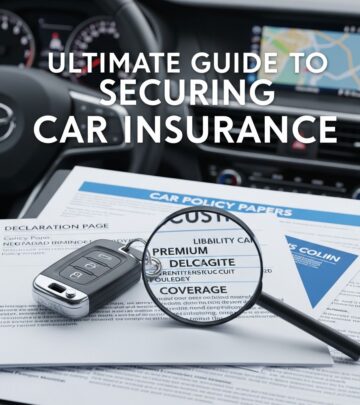
Acquiring a pre-owned vehicle often represents a smart financial move, offering reliability without the steep price tag of new models. However, securing appropriate insurance is crucial to safeguard this investment legally and financially. This guide delves into the nuances of insuring used cars, from mandatory requirements to strategic cost-saving measures, empowering you to make informed decisions.
Legal Requirements for Insuring Pre-Owned Vehicles
Across the United States, driving any vehicle—new or used—demands compliance with state-specific insurance mandates. Nearly all states require at least liability coverage to operate on public roads, protecting others in case of accidents you cause. New Hampshire stands as the sole exception, where drivers can opt out by demonstrating financial responsibility, such as a cash deposit or bond.
Failure to maintain proof of insurance can result in fines, license suspension, or vehicle impoundment. When purchasing from a dealership, expect to present active insurance before driving off the lot. Private sales offer more flexibility for paperwork but not for legal driving—coverage must be in place promptly.
- Liability basics: Covers bodily injury and property damage to others.
- State variations: Minimum limits differ; for example, some demand $25,000 per person for injuries.
- Proof requirements: Digital ID cards are widely accepted today.
Assessing Coverage Needs for Your Used Ride
Determining the right protection level hinges on your vehicle’s age, value, usage, and personal risk tolerance. While minimum liability satisfies the law, enhanced options like collision and comprehensive provide broader safeguards.
For vehicles under six years old or those with outstanding loans, full coverage is advisable. Lenders typically mandate collision (for accident repairs) and comprehensive (for theft, weather, or vandalism) until the loan is cleared. Older models may justify liability-only if repair costs approach or exceed the car’s market value.
| Coverage Type | What It Protects | Recommended For |
|---|---|---|
| Liability | Others’ injuries/property | All drivers (legal minimum) |
| Collision | Your car’s accident damage | Financed/leased or newer used cars |
| Comprehensive | Theft, fire, natural disasters | High-value or theft-prone vehicles |
| Uninsured Motorist | You, if hit by uninsured driver | High-traffic or rural areas |
A practical rule: If annual full coverage premiums exceed 10% of your car’s Kelley Blue Book value, consider dropping optional add-ons.
Factors Influencing Premiums on Older Vehicles
Insurance pricing for used cars isn’t uniformly lower than for new ones; it varies based on multiple variables. Providers evaluate the vehicle’s make, model, year, safety equipment (e.g., airbags, anti-lock brakes), and repair costs. Driver-specific elements like age, record, credit score, location, and mileage also play key roles.
Pre-owned cars often cost less to insure due to depreciated values, making repairs or replacements cheaper. A 2018 model might average $1,797 yearly for full coverage versus $2,018 for a new car, per national averages for good drivers. Urban ZIP codes or high-theft models inflate rates, while safe-driving histories yield discounts.
- Vehicle age impact: Older = lower value, but potentially higher repair parts costs.
- Driver profile: Clean records and good credit can slash 20-30% off quotes.
- Geographic risks: Weather-prone areas boost comprehensive needs.
Full Coverage vs. Minimum: Making the Smart Choice
Full coverage—liability plus collision/comprehensive—offers peace of mind but at a premium. For a $5,000 used car, if full policy costs $600/year (12% of value), liability-only at $300 might suffice. Conversely, for a $15,000 low-mileage gem, the extra $200-400 annually protects against total loss.
Special cases like rebuilt titles or classics (25+ years old) require tailored policies. Standard plans may deny rebuilt cars, while antique coverage values restorations at agreed amounts, not depreciated market rates.
Step-by-Step Process to Secure Coverage
- Gather details: VIN, make/model/year/mileage from seller.
- Shop quotes: Use online tools from 3-5 insurers for apples-to-apples comparisons.
- Select levels: Match to needs, budget, and lender rules.
- Purchase/bind: Get instant proof via app/email; add to existing policy if applicable (grace periods: 7-30 days).
- Update registration: Submit insurance docs to DMV.
Timing matters: Dealerships won’t release without coverage; private buys allow post-purchase activation but demand immediate compliance.
Proven Strategies to Lower Your Premiums
Smart shopping unlocks significant savings without skimping on protection.
- Bundling: Pair auto with home/renters for 10-25% off.
- Higher deductibles: $1,000 vs. $500 cuts premiums 10-20%.
- Discount hunts: Multi-car, good student, defensive driving courses, low-mileage.
- Telematics: Apps track habits for safe-driver rewards up to 30%.
- Annual payments: Skip monthly fees for 5-10% paid-in-full perks.
Compare persistently—rates fluctuate, and loyalty doesn’t always pay.
Navigating Special Vehicle Scenarios
Modified, salvaged, or high-performance used cars face hurdles. Insurers scrutinize custom parts, potentially raising rates or requiring photos/appraisals. Classics benefit from enthusiast policies with roadside aid and show coverage. Electric/hybrid used models might qualify for green-tech discounts.
Common Pitfalls and How to Avoid Them
Rush buys lead to overpriced or inadequate policies. Skipping quotes means missing deals. Ignoring lender stipulations risks loan default. Always verify multi-vehicle policy inclusions and grace periods.
Frequently Asked Questions
Can I add a used car to my current policy?
Yes, notify your insurer immediately; most allow seamless additions with prorated adjustments.
Is used car insurance always cheaper?
Often, due to lower values, but depends on model, driver, and coverage.
What if my used car is financed?
Lenders require full coverage until paid off.
How soon after purchase do I need insurance?
Before driving; dealerships demand proof upfront.
Does vehicle age affect rates directly?
Indirectly via value, safety features, and repair costs.
References
- Used Car Insurance: Everything You Need to Know — Car and Driver. 2023. https://www.caranddriver.com/car-insurance/a35877404/used-car-insurance/
- Insurance When Buying a Used Car — Progressive. 2024. https://www.progressive.com/answers/used-car-insurance/
- Insurance Tips for Privately Buying a Used Car — Allstate. 2024-01-01. https://www.allstate.com/resources/car-insurance/insurance-for-buying-used-car
- Best Car Insurance Buying Guide — Consumer Reports. 2024. https://www.consumerreports.org/money/car-insurance/buying-guide/
- A Shopping Tool for Auto Insurance — NAIC. 2023. https://content.naic.org/sites/default/files/consumer-auto-shopping-tool.pdf
Similar Articles








Read full bio of medha deb