Used Car Dealership Buying Guide: 10 Essential Steps
Master the process of purchasing a pre-owned vehicle from an authorized dealership with confidence.
Setting Your Financial Foundation Before Shopping
The first critical step in purchasing a pre-owned vehicle from a dealership involves establishing a realistic budget. Before visiting any lot or browsing online inventory, determine how much you can comfortably spend on a vehicle purchase. This means evaluating your current financial situation, including savings, existing debt, and monthly expenses.
When calculating affordability, consider not just the purchase price but also ongoing costs such as insurance, maintenance, repairs, fuel, and registration fees. A common recommendation is to spend no more than 10-15% of your gross annual income on vehicle expenses. If you’re financing your purchase, calculate what monthly payment fits within your budget, then work backward to determine the maximum purchase price you can afford.
Get pre-approved for financing before visiting dealerships. This strengthens your negotiating position and helps you understand your true purchasing power. Many credit unions and banks offer pre-approval with competitive interest rates, which you can then use to compare against dealership financing offers.
Defining Your Ideal Vehicle Profile
With your budget established, identify the specific features and characteristics you need in a vehicle. Create a comprehensive wish list that distinguishes between essential requirements and desirable extras. Essential features might include fuel efficiency, cargo space, safety ratings, or specific body type, while desirable features could encompass leather seats, navigation systems, or advanced technology features.
Research vehicle segments that align with your lifestyle. Consider your daily commute length, family size, climate conditions, and typical driving patterns. A vehicle perfect for one person may be unsuitable for another based on individual circumstances.
Review reliability ratings and owner satisfaction scores for models you’re considering. Multiple automotive resources provide historical data on which used vehicles hold up well over time and which have recurring problems. This research prevents you from selecting a model known for expensive repairs or frequent mechanical issues.
Understanding Dealership Types and Their Advantages
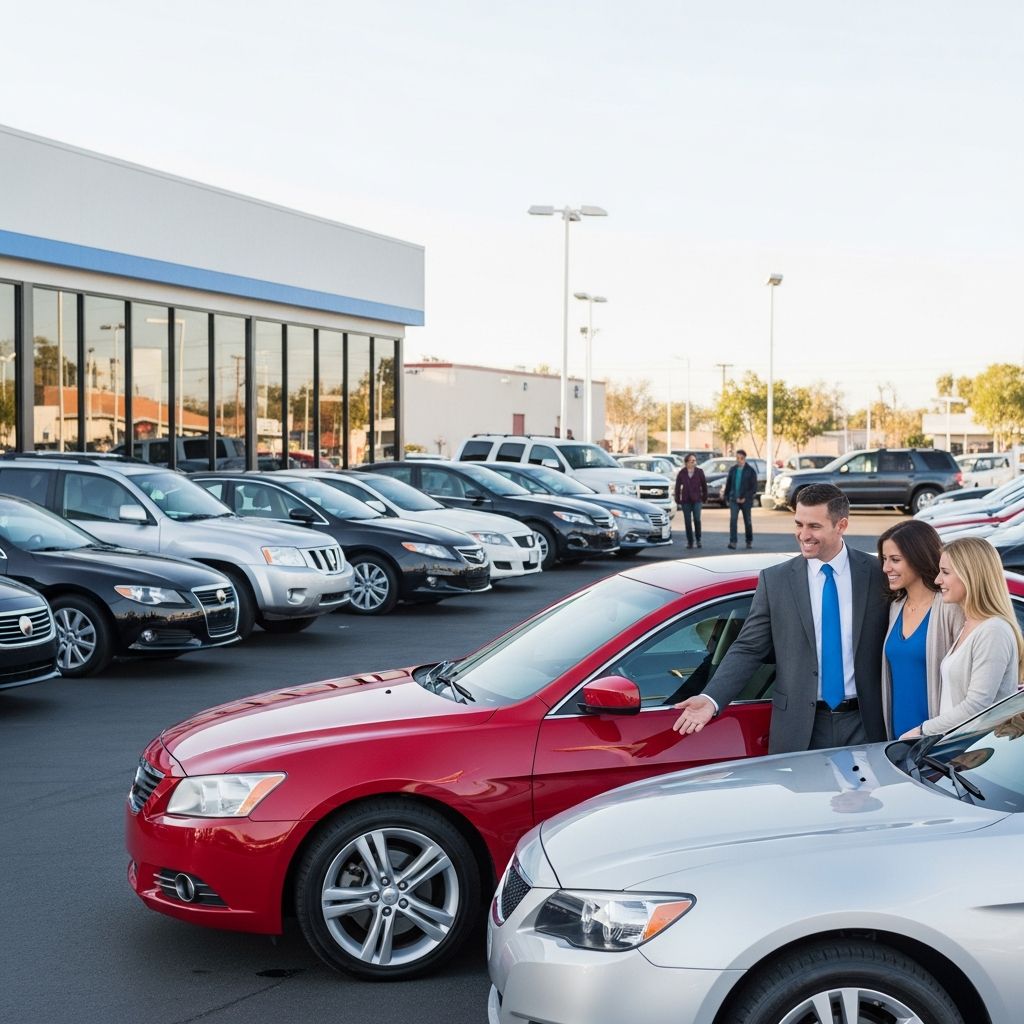
Different dealership categories offer distinct benefits and considerations. Franchised dealerships, which sell new vehicles from specific manufacturers, typically maintain higher inventory quality and often sell certified pre-owned (CPO) vehicles with manufacturer-backed warranties.
Independent used car lots may offer more negotiating flexibility and competitive pricing, though their warranty offerings and vehicle reconditioning standards vary significantly. National retailers like CarMax provide standardized processes and return policies, creating predictability in the buying experience.
Before committing to a specific dealership, research its reputation through consumer protection agencies and online reviews. Contact your state and local consumer protection offices to check for unresolved complaints. Search online for dealership reviews, paying particular attention to patterns in customer feedback rather than isolated incidents.
The Value of Certified Pre-Owned Vehicles
If you’re interested in vehicles less than five years old, certified pre-owned (CPO) options warrant serious consideration. These vehicles have undergone rigorous inspections and reconditioning by manufacturer-certified technicians, ensuring they meet strict quality standards.
CPO vehicles come with manufacturer-backed warranties that extend beyond typical dealership warranties, providing enhanced protection and peace of mind. Only franchised dealerships authorized to sell specific brands can offer that brand’s CPO designation—for example, only Chevrolet dealerships can sell CPO Chevrolets.
While CPO vehicles command higher prices than non-certified used cars due to their condition, lower mileage, and warranty coverage, they provide valuable protection that can offset the price premium.
Researching and Comparing Vehicle Options
Comprehensive research before visiting dealerships saves time and prevents impulsive decisions. Use online platforms to compare prices across multiple dealerships and identify which vehicles fit your criteria. Filter searches by price range, mileage, features, location, and vehicle condition to narrow your options efficiently.
When you identify promising candidates, contact dealerships to confirm vehicle availability and request written quotes that include all costs, not just the base price. This written documentation protects you from unexpected add-ons or price changes when you visit in person.
Compare the same vehicle across different dealerships to understand typical pricing in your market. Substantial price variations between dealers for identical vehicles suggest either overpricing or exceptional value—investigate the reasons before committing.
Obtaining and Analyzing Vehicle History Reports
Vehicle history reports are non-negotiable documents that reveal critical information about a car’s past. These reports from services like Carfax and AutoCheck disclose previous ownership, accident history, service records, flood damage, and whether the title has been branded as salvage.
A salvage title indicates the vehicle was previously declared a total loss by an insurance company, meaning it experienced damage severe enough to warrant insurance company write-off. While some salvage vehicles are repaired and function adequately, they typically retain lower resale value and may have hidden structural issues.
Many dealerships provide vehicle history reports at no charge for vehicles in their inventory. Request these reports for any vehicle you’re seriously considering, even if buying from someone you know well. The report’s cost is negligible compared to the protection it provides.
Review the report methodically, noting any accident history, multiple ownership changes, title issues, and service gaps. A vehicle with comprehensive service records indicates the previous owner maintained the vehicle responsibly.
In-Person Vehicle Inspection: What to Examine
Before test driving, conduct a thorough visual inspection of the vehicle’s exterior and interior. Check the paint finish for inconsistencies that might indicate body work or repainting. Examine trim alignment, checking that doors, hoods, and trunk lids align properly—misalignment suggests accident damage or poor repairs.
Inspect the tire condition carefully. Uneven wear patterns indicate alignment problems or irregular maintenance. Check the tire tread depth and verify that all tires are the same brand and type. New tires, while a positive sign, might also be concealing recent repairs.
Examine the interior for wear and tear that seems inconsistent with reported mileage. A 50,000-mile vehicle with heavily worn driver’s seat upholstery may have inaccurate mileage readings. Check all mechanical and electrical systems—windows, locks, mirrors, lights, air conditioning, and heating—to ensure they function properly.
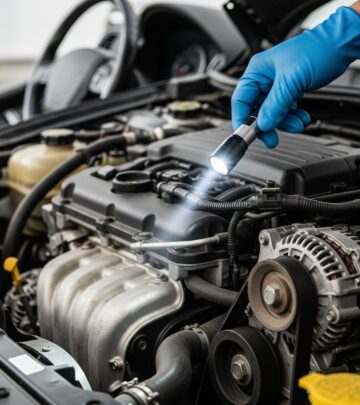
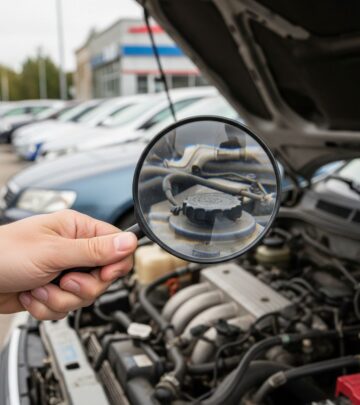
Pop the hood and inspect the engine bay for leaks, corrosion, or damage. While you don’t need mechanical expertise for this visual assessment, look for obvious problems like fluid leaks or damaged hoses.
Engaging Professional Mechanical Inspection
Request permission from the dealership to have an independent mechanic inspect the vehicle before purchase. A trusted mechanic who isn’t connected to the dealership provides objective assessment without financial interest in the sale.
Obtain a written inspection report from the mechanic that includes the vehicle’s make, model, and VIN, along with detailed findings and cost estimates for any necessary repairs. This documentation serves multiple purposes: it confirms the vehicle’s condition, identifies hidden problems, and provides ammunition for price negotiations.
If the inspection reveals significant repairs, use those estimates to negotiate a lower purchase price or request that the dealership complete the repairs before finalizing the sale. Some dealerships may be willing to reduce the price rather than perform repairs themselves.
The Test Drive Experience: Beyond Comfort Assessment
Schedule test drives for vehicles that passed your initial inspection and history review. During the test drive, evaluate how the vehicle handles under various driving conditions—highway driving, city streets, parking, and braking.
Listen for unusual noises—clunking, grinding, squeaking—that might indicate mechanical problems. Pay attention to how the transmission shifts, whether the steering feels responsive, and whether the brakes provide confident stopping power. These factors affect both safety and driving enjoyment.
Test all vehicle systems during your drive: air conditioning, heating, radio, navigation, power windows, and mirrors. Systems that fail to operate properly indicate maintenance needs or potentially more serious electrical problems.
Understanding Dealership Warranty Offerings
Before finalizing any purchase, understand the warranty coverage included with your vehicle. Used cars sold by dealerships may be sold “as is,” with manufacturer warranty coverage, or with dealership warranty coverage. The Buyers Guide required by federal law on all dealer-sold used vehicles discloses these warranty terms clearly.
If the dealership offers an optional warranty, request a copy of the warranty document and detailed explanation of coverage, exclusions, and repair procedures. Understand what percentage of repair costs the dealer covers and which systems are included in the warranty.
Some dealerships may offer additional add-ons like anti-theft devices, prepaid service plans, or protective coatings. Evaluate these options carefully and negotiate them separately from the vehicle purchase price.
Mastering the Negotiation Process
Effective negotiation begins with knowledge. Armed with the vehicle’s history report, independent inspection results, comparable pricing data, and your pre-approved financing terms, you’re positioned to negotiate confidently.
Research typical market values for the vehicle in your region, accounting for condition, mileage, and features. Present this data to the dealer, demonstrating that you’ve done your homework. Dealers recognize informed buyers and adjust their negotiating tactics accordingly.
Use the independent inspection report as your negotiating foundation. If repairs are needed, reference the mechanic’s estimates when proposing a price reduction. Remain calm and professional throughout negotiations—emotional outbursts undermine your credibility and bargaining position.
Don’t disclose your maximum budget or show excessive enthusiasm for the vehicle. Dealers use psychological tactics to encourage emotional purchasing decisions rather than rational ones. Stay focused on the numbers and maintain negotiating flexibility.
If you’ve obtained pre-approval for financing elsewhere, use that offer to leverage better terms at the dealership. Many dealerships can match or beat external financing offers to keep the sale in-house.
Evaluating Financing and Payment Options
When financing through the dealership, compare their interest rates against your pre-approved loan terms. Dealership financing may include extended warranties or other benefits that offset slightly higher interest rates, so evaluate the complete package rather than just the rate.
Review the total cost of ownership: calculate not just monthly payments but total interest paid over the loan term. A lower monthly payment may result in significantly higher total interest if it extends the loan beyond the vehicle’s optimal ownership period.
Some dealerships offer flexible payment options that might suit your financial situation better than traditional loans. Evaluate all available options before committing to a specific payment structure.
The Final Purchase: Completing Paperwork Correctly
Once you’ve negotiated acceptable terms, the dealership will present contracts and additional documents for signature in the finance and insurance office. Review every document carefully before signing, ensuring all negotiated terms match the written agreements.
Verify that advertised prices, discounts, and rebates are correctly applied in the final paperwork. Check that add-ons discussed separately are listed separately in the contract, not bundled into the vehicle price. Confirm all vehicle information—VIN, year, model, mileage, condition—matches the actual vehicle.
Request copies of all documents for your records. These papers establish your ownership, document warranty coverage, and serve as references if disputes arise later.
FAQ: Common Dealership Buying Questions
Should I buy from a franchise dealership or independent lot?
Franchise dealerships typically offer CPO vehicles with manufacturer warranties and more consistent quality standards. Independent lots may offer competitive pricing and negotiating flexibility. Your choice depends on whether you prioritize warranty coverage or price negotiation.
What questions should I ask the dealership before visiting?
Ask whether the vehicle is still in stock, request the vehicle history report by email, inquire about warranty options, and request written quotes including all costs. These questions save time and prevent wasted trips for vehicles no longer available.
Can I negotiate the price on a used car at a dealership?
Yes, dealership prices are generally negotiable, particularly on non-CPO vehicles. Use market research, inspection reports, and comparable pricing to support your negotiation position.
What does “as is” mean on a used car purchase?
An “as is” sale means you’re purchasing the vehicle in its current condition with no warranty coverage. Thoroughly inspect any “as is” vehicle before purchase, as you’ll be responsible for all repairs after buying.
How important is an independent inspection?
Independent inspections are highly valuable, providing objective assessment of the vehicle’s condition and estimated repair costs. These inspection results support negotiation and prevent purchasing vehicles with hidden problems.
Key Takeaways for Successful Dealership Purchases
- Establish your budget before shopping, considering all ownership costs beyond the purchase price
- Create a detailed vehicle wish list distinguishing essential features from desirable extras
- Research dealership reputation and check for consumer complaints before visiting
- Obtain vehicle history reports and independent mechanical inspections for any vehicle you’re seriously considering
- Compare prices across multiple dealerships using written quotes
- Conduct thorough visual inspections and test drives before committing
- Understand warranty coverage and negotiate terms separately from the vehicle price
- Use market research and inspection results as your negotiating foundation
- Review all paperwork carefully before signing, ensuring all negotiated terms are correctly documented
- Keep copies of all documents for your records
Purchasing a used car from a dealership doesn’t require accepting unfavorable terms or overpaying. By preparing thoroughly, researching systematically, and negotiating confidently, you can drive away with a reliable vehicle at a fair price.
References
- 10 Steps to Buying a Used Car — Edmunds. 2024. https://www.edmunds.com/car-buying/10-steps-to-buying-a-used-car.html
- 10 Helpful Tips For Buying A Used Car From A Dealership — Braden Chrysler Dodge Jeep Ram. 2024. https://www.bradencdjr.com/blog/10-helpful-tips-for-buying-a-used-car-from-a-dealership
- The Ultimate Used Car Buying Guide — Navy Federal Credit Union. 2024. https://www.navyfederal.org/makingcents/auto/ultimate-used-car-buying-guide.html
- Buying a Used Car From a Dealer — Federal Trade Commission. 2024. https://consumer.ftc.gov/articles/buying-used-car-dealer
- The Insider’s Used Car Buying Guide — AAA. 2024. https://www.acg.aaa.com/connect/blogs/4c/auto/the-insiders-used-car-buying-guide
- 10 Tips to Protect Yourself From Used Car Sales Tactics — Consumer Reports. 2024. https://www.consumerreports.org/cars/buying-a-car/tips-to-protect-yourself-from-used-car-sales-tactics-a7723381517/
- Buyers Guide — Federal Trade Commission. https://www.ftc.gov/system/files/documents/plain-language/cfr_buyers_guides_english.pdf
Similar Articles








Read full bio of medha deb