US Mint Coin Production Costs and Solutions
Exploring the rising costs of coin production and innovative solutions the US Mint is considering.
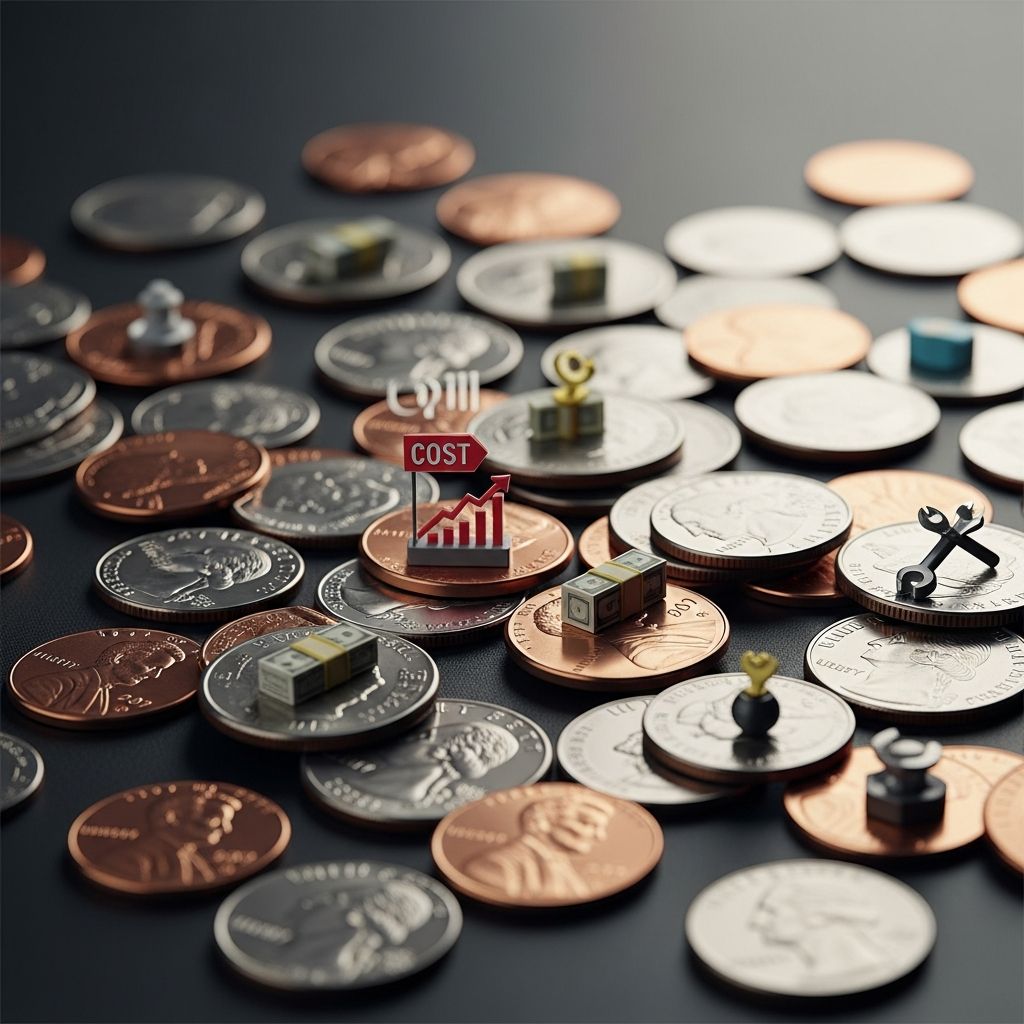
Understanding the True Cost of US Coin Production
The United States Mint faces a significant financial challenge that often goes unnoticed by the average American consumer. While coins seem inexpensive on the surface, the actual cost to produce and distribute them frequently exceeds their face value. This economic inefficiency has prompted government officials and financial experts to reconsider which coins remain essential to the nation’s currency system. The 2025 fiscal year budget reveals that the Mint’s total estimated budgetary requirements for operations, metal, and capital investments reached $5.7 billion, a substantial allocation designed to support the production of 6.5 billion circulating coins annually.
The Penny Problem: A Case Study in Currency Inefficiency
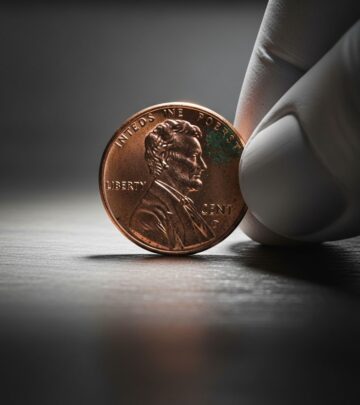
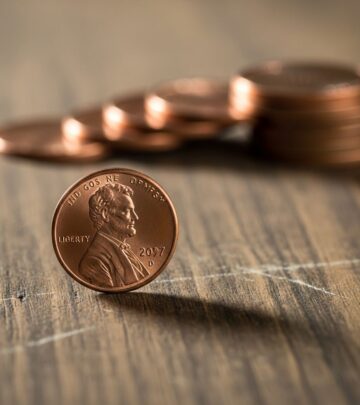
Perhaps no coin exemplifies the production cost problem more dramatically than the penny. According to recent data, producing and distributing a single penny costs 3.69 cents, nearly four times its face value. This staggering disparity has made the one-cent coin the poster child for government waste. The Treasury incurred a seigniorage loss of $85.3 million from minting more than 3 billion new pennies in a single year, representing funds that could have been redirected toward more productive government initiatives.
Historically, the penny has accounted for more than half of the Mint’s monthly coin output, as the Federal Reserve consistently ordered more of them than any other denomination. This continued despite the well-documented high production costs, which stemmed from the materials, labor, and overhead required to manufacture billions of these coins annually. The economic inefficiency of penny production became increasingly difficult to justify in an economy where digital transactions and electronic payments have grown exponentially.
2025 Currency Production Budget Breakdown
The Federal Reserve Board’s 2025 currency operating budget totals $1,040.0 million, with detailed allocations for different production categories. Understanding this budget provides insight into how government resources are distributed across currency manufacturing:
| Budget Category | Amount (Millions) | Purpose |
|---|---|---|
| Variable Printing Costs | $283.4 | Paper, ink, labor, direct overhead |
| Fixed Printing Costs | $688.6 | Indirect manufacturing overhead, R&D, administration |
| Total | $1,040.0 | Complete currency production |
Variable Printing Costs by Denomination
The variable printing costs for Federal Reserve notes differ significantly by denomination, reflecting differences in production complexity and material requirements:
| Denomination | Variable Printing Cost |
|---|---|
| $1 and $2 | 4.1 cents per note |
| $5 | 7.1 cents per note |
| $10 | 6.8 cents per note |
| $20 | 7.3 cents per note |
| $100 | 11.3 cents per note |
Notably, there was no planned production of $50 notes in 2025, reflecting the Federal Reserve’s assessment of actual demand in the economy. Higher denominations like the $100 bill incur greater variable printing costs due to enhanced security features and more complex production requirements.
Government Action: The Penny Phase-Out Initiative
Recognizing the financial drain caused by penny production, the federal government has taken decisive action. On February 9, 2025, President Trump issued a directive to end penny production, describing the move as a crucial step toward reducing “wasteful” government spending. This marked a significant policy shift after decades of continued penny minting despite mounting economic losses.
In May 2025, the U.S. Treasury confirmed it had placed its final order for penny blanks and announced plans to phase out production once current inventories are depleted. The implementation of this policy accelerated rapidly. In July 2025, the Mint struck just 400,000 Lincoln cents—only 0.1% of all circulating-quality coins produced for the month. Subsequently, no pennies were minted in August, September, or October 2025. On November 12, 2025, the U.S. Mint held a ceremonial striking to mark the final production of the circulating one-cent coin, noting that it would only be manufactured for collector products going forward.
Impact on 2025 Coin Production
The elimination of penny production has significantly altered the Mint’s output in 2025. In October alone, the Mint produced 367.36 million coins for circulation, including nickels, dimes, quarters, and half dollars. The Denver Mint struck 190.3 million coins, while the Philadelphia Mint produced 177.06 million coins during this month. Based on production trends through October, if the current pace continues through December, the 2025 annual mintage would reach approximately 5.44 billion coins, compared to just over 5.6 billion coins produced in 2024.
October production represented a significant increase of 53.2% from September but remained down 55.6% from October 2024, reflecting both the phase-out of pennies and broader adjustments in coin demand patterns. This data demonstrates how the penny elimination policy is reshaping the Mint’s production schedule and resource allocation.
Other Coins Gaining Circulation Status
Interestingly, the penny phase-out has coincided with renewed interest in other denominations. Kennedy half dollars have made a notable return to general circulation in 2025. Year-to-date through October, the Mint produced 23.2 million half dollars for circulation—12 million from Denver and 11.2 million from Philadelphia. This represents a significant increase in production for a denomination that had largely disappeared from everyday circulation. By comparison, 2024 saw 37.6 million half dollars produced, indicating ongoing demand adjustments.
Additionally, Native American dollars continue to be produced for collector markets, with 2025 production totaling 2.38 million coins through October, evenly distributed between the Denver and Philadelphia facilities.
Federal Reserve’s Role in Coin Production Management
Annual coin production is determined by the U.S. Mint in coordination with the Federal Reserve. Reserve Banks influence this process by providing the Mint with monthly coin orders and maintaining a 12-month rolling coin-order forecast. This collaborative approach allows for responsive production that aligns with actual currency demand across the nation’s banking system. Reserve Banks purchase coin at face value from the Mint, and the revenue generated through seigniorage—the difference between face value and production cost—contributes to government finances.
However, seigniorage has become increasingly important given the constraints on production budgets. As production volumes shift and costs remain relatively fixed, the Mint must carefully balance operational efficiency with the Federal Reserve’s demand forecasts.
Proposed Solutions and Future Directions
Beyond penny elimination, policymakers and financial experts have proposed several additional solutions to address coin production inefficiency. The U.S. Treasury budget proposal includes legislation enabling changes to coin metal composition if such changes reduce costs, are seamless to implement, and have minimal adverse impact on coin functionality and durability. This represents a potential avenue for long-term cost reduction without eliminating denominations.
The Mint’s strategic focus on “Advancing the circulating mission through innovation and technology” suggests that future solutions may involve technological improvements in production processes, materials science innovations, and demand forecasting enhancements. By improving operational efficiency and reducing waste, the Mint aims to optimize seigniorage while maintaining adequate coin supplies.
Frequently Asked Questions
Q: Why does it cost more to produce a penny than its face value?
A: Penny production involves material costs (zinc and copper plating), labor, machinery, facility overhead, quality control, and distribution. At 3.69 cents per coin, these cumulative costs exceed the coin’s one-cent value, creating the production loss.
Q: Will pennies still be produced after 2025?
A: No, the U.S. Mint has ended circulating penny production. Pennies will only be manufactured for collector products moving forward following the November 2025 ceremonial final striking.
Q: How much money does the government save by eliminating penny production?
A: The Treasury previously lost approximately $85.3 million annually from penny production losses, representing the potential savings and improved fiscal efficiency from this policy change.
Q: What is seigniorage in coin production?
A: Seigniorage represents the difference between a coin’s face value and its production cost. Positive seigniorage generates revenue for the government, while negative seigniorage (as with pennies) represents a financial loss.
Q: Will removing pennies from circulation cause economic problems?
A: Most economists suggest minimal disruption because the digital economy has reduced cash transactions significantly, and rounding practices are already established in many countries that have eliminated low-value coins.
Q: Who decides how many coins the Mint should produce?
A: The U.S. Mint determines annual production based on Federal Reserve requests, which are informed by monthly coin orders and 12-month rolling forecasts reflecting actual currency demand across banking systems.
References
- How much does it cost to produce currency and coin? — Federal Reserve Board. 2025. https://www.federalreserve.gov/faqs/currency_12771.htm
- October U.S. Coin Production Up; No Pennies for Third Month — CoinNews. 2025-11-21. https://www.coinnews.net/2025/11/21/mint-coin-production-october/
- United States Mint Program Summary by Budget Activity — U.S. Department of the Treasury. 2025. https://home.treasury.gov/system/files/266/21.-Mint-FY-2025-BIB.pdf
- Rounding Up: The Impact of Phasing Out the Penny — Federal Reserve Bank of Richmond. 2025. https://www.richmondfed.org/publications/research/economic_brief/2025/eb_25-27
Similar Articles








Read full bio of Sneha Tete