Is the U.S. a Market Economy or Mixed Economy?
Understanding America's economic system: A blend of free market and government intervention.

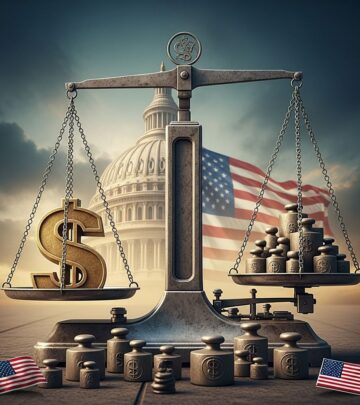
When analyzing the economic structure of the United States, a fundamental question arises: is America a market economy or a mixed economy? The answer is definitively clear—the United States operates as a mixed economy. This classification reflects the unique balance the nation has struck between capitalist free market principles and socialist elements of government intervention. Understanding this distinction requires examining what defines each economic system and how the U.S. incorporates elements of both.
Understanding Economic Systems
To comprehend why the United States is classified as a mixed economy, it is essential to first understand the fundamental characteristics of different economic systems. Economists typically categorize economies into three primary models: market economies, command economies, and mixed economies. Each system operates under different principles regarding resource allocation, ownership of productive assets, and the role of government.
Pure Market Economy
A pure market economy, also known as a free market or capitalist economy, operates on the principle that supply and demand determine prices and the allocation of resources. In such a system, individuals and private enterprises own most productive resources, and government involvement is minimal. The market itself serves as the mechanism for coordinating economic activity, with prices acting as signals that guide production and consumption decisions. Growth tends to be high in market economies because competition incentivizes efficiency and innovation. However, purely market-based systems can lead to significant income inequality, as private entities accumulate economic power without restraint.
Command Economy
In contrast, a command economy—also referred to as a planned economy—places decision-making power firmly in the hands of government authorities. The government determines what is produced, how much is produced, and how resources are distributed. Cuba and North Korea exemplify command economies, where central planning guides nearly all economic activity. While command economies aim to ensure equitable distribution of resources and address social needs, they often struggle with inefficiency and lack the innovation incentives present in market economies.
Mixed Economy
A mixed economy represents a synthesis of these two approaches, combining elements of both market and command systems. This hybrid model allows private enterprise and market forces to operate in many sectors while permitting government intervention in specific industries and activities deemed essential to public welfare. Most modern developed nations, including the United States, employ mixed economic systems.
Why the U.S. Is a Mixed Economy
The United States Constitution established the legal framework for America’s mixed economic structure. This constitutional foundation creates an environment where the vast majority of productive resources are privately owned, yet government maintains regulatory authority over key sectors and activities. The rationale behind this structure reflects the nation’s founding principles: balancing individual economic freedom with collective social responsibility.
Private Sector Dominance
In most sectors, the U.S. economy operates according to free market principles. Consumer goods and business services are produced and distributed through private enterprises competing in open markets. Individuals and corporations possess the freedom to start businesses, set prices based on market conditions, and retain profits from their economic activities. This freedom encourages entrepreneurship and innovation, driving economic growth and technological advancement. Consumers exercise their market power through purchasing decisions, effectively voting with their dollars for products and services they prefer.
Strategic Government Intervention
Simultaneously, the U.S. government plays a significant role in managing specific sectors considered essential to national welfare and security. National defense represents the most obvious example—the government maintains ownership and control over military capabilities rather than allowing private corporations to determine national security policy. Beyond defense, the government provides or heavily regulates transportation infrastructure, healthcare components, and other foundational services. Agricultural subsidies exemplify government intervention designed to support particular industries and ensure stable food supplies. Financial regulations govern banking and investment activities to protect consumers and maintain market stability. Environmental protection legislation enforces standards that private enterprises must follow to prevent harm to natural resources and public health.
Key Characteristics of the U.S. Mixed Economy
The American mixed economy exhibits several defining characteristics that illustrate how market and planned elements coexist:
Coexistence of Private and Public Sectors
The U.S. economy supports a thriving private sector where millions of businesses operate independently to generate profits and serve consumer needs. Simultaneously, government agencies provide public goods and services, funded through taxation, that the private sector might not supply profitably. This dual structure ensures that essential services—from highways to public education—reach all citizens regardless of market profitability.
Regulatory Framework
Government regulation permeates the U.S. economy while preserving market operations. Environmental protection legislation limits industrial practices that could harm ecosystems. Labor laws establish minimum wage standards and workplace safety requirements. Consumer protection rules mandate food safety inspections and product liability standards. Anti-discrimination laws prevent employment bias based on protected characteristics. These regulations constrain unlimited profit-seeking while maintaining competitive markets.
Taxation and Redistribution
The tax system serves dual purposes in America’s mixed economy: funding government operations and redistributing income to reduce inequality. Progressive taxation, where higher earners pay larger percentage rates, funds social welfare programs including healthcare, retirement benefits, and unemployment insurance. This mechanism reflects society’s collective commitment to supporting disadvantaged populations while maintaining market incentives for wealth creation.
Financial System Oversight
Banking, stock markets, and investment institutions operate under federal regulation designed to protect investors and maintain market integrity. While private individuals and corporations freely invest in businesses and securities, regulatory agencies establish rules preventing fraud, insider trading, and excessive risk-taking that could destabilize the broader economy.
Advantages of America’s Mixed Economic System
The mixed economy model offers distinct advantages that explain its prevalence among developed nations:
Efficient Resource Allocation
Competition in private markets drives efficient resource allocation where they are needed most. The profit motive incentivizes businesses to invest capital where consumer demand exists, ensuring that productive capacity flows toward valued goods and services. This market-driven allocation proves more responsive to consumer preferences than centralized planning typically achieves.
Innovation and Productivity
The profit-loss system motivates business owners to innovate and operate efficiently. Companies that develop superior products or processes at lower costs gain competitive advantages and higher profits, encouraging continuous improvement. This dynamic has generated technological advances and productivity gains that raise living standards.
Protection of Essential Services
Government intervention ensures that essential industries receive adequate support even when private markets find them unprofitable. Education, healthcare, and scientific research benefit from government funding because their long-term societal value exceeds immediate market profitability. Without this intervention, underfunded essential services could create social problems affecting all economic participants.
Social Safety Nets
Government programs provide protection for disadvantaged populations and during economic hardship. Unemployment insurance, food assistance, and medical care programs reduce extreme poverty and maintain consumer purchasing power during recessions. These social mechanisms stabilize the economy by preventing dramatic demand collapses when individuals face job loss or health crises.
Challenges and Criticisms
Despite its advantages, the U.S. mixed economy faces legitimate criticisms and inherent tensions:
Balance and Sustainability Questions
Determining the appropriate balance between market freedom and government intervention remains contentious. No fixed standard defines how much of each element a mixed economy should contain. Too much economic freedom allows disadvantaged groups to suffer without adequate government support. Conversely, excessive government intervention can discourage business investment and reduce productivity. Finding and maintaining equilibrium requires ongoing political negotiation and adjustment.
Government Control Concerns
Critics argue that excessive bureaucracy inhibits growth and prevents healthy competition. Regulatory complexity increases business costs, particularly burdening small enterprises lacking resources to navigate compliance requirements. Monopolies can emerge when government protections reduce competitive pressure, allowing incumbents to raise prices and exclude competitors.
Allocation Inefficiencies
Government spending decisions may not reflect economic efficiency as well as market forces do. Political considerations sometimes override economic logic in deciding which industries receive subsidies or protection. This can result in resources flowing toward politically favored sectors rather than those with greatest productive potential.
Flexibility in Mixed Economic Systems
An important characteristic of mixed economies is their flexibility to adjust the balance between market and command elements based on circumstances. During emergencies such as wars or pandemics, governments temporarily expand their role. For instance, during the COVID-19 pandemic, U.S. government officials invoked the Defense Production Act to require companies to manufacture essential products like ventilators. Even during such command economy-style interventions, negotiation between government and private parties continues because both retain self-interest considerations.
Global Context
The United States is not unique in adopting a mixed economy structure. Most developed countries employ similar systems, though the specific mix varies. Some nations lean more toward market principles while others emphasize government planning. Pure market economies and pure command economies exist only theoretically. In practice, virtually all modern nations blend both approaches to varying degrees.
Frequently Asked Questions
Q: What is the primary difference between a market economy and a mixed economy?
A: A pure market economy relies entirely on supply and demand to allocate resources with minimal government involvement, while a mixed economy combines market mechanisms with government intervention in specific sectors considered essential to public welfare and social stability.
Q: Why does the U.S. government subsidize agriculture?
A: Agricultural subsidies represent government intervention designed to ensure stable food supplies, support farmers’ incomes, and maintain domestic food production capacity. The government also uses subsidies to keep food prices affordable for consumers while ensuring farmers remain economically viable.
Q: Can the balance in a mixed economy change over time?
A: Yes, mixed economies are flexible and can shift their balance between market freedom and government intervention based on political decisions, economic conditions, and social priorities. During crises, governments typically expand their role before returning to normal market operations.
Q: What sectors does the U.S. government control or heavily regulate?
A: Key sectors include national defense, transportation infrastructure, healthcare components, financial institutions, environmental protection, and utilities. The government also regulates labor practices, consumer protection, and food safety across all industries.
Q: How does taxation function in America’s mixed economy?
A: Taxation serves dual purposes: funding government operations and programs while redistributing income through progressive tax structures. Tax revenue supports national defense, infrastructure, education, healthcare, and social safety net programs.
References
- Mixed Economic System – Overview, How It Works, Pros and Cons — Corporate Finance Institute. https://corporatefinanceinstitute.com/resources/economics/mixed-economic-system/
- What Type of Economy Does the U.S. Have? — GoCardless. https://gocardless.com/en-us/guides/posts/what-type-of-economy-does-the-u-s-have/
- Mixed economy | Research Starters – EBSCO — EBSCO. https://www.ebsco.com/research-starters/political-science/mixed-economy
- JA Economics | Resources – Economic Systems — JA.org. https://sites.google.com/ja.org/ja-econ-resources/home/economic-systems
- An Outline of the American Economy – Part 1 — USInfo.org. https://usinfo.org/trade/ameconomy/pt1.htm
Similar Articles








Read full bio of medha deb