U.S. Car Insurance Costs in 2026: Averages and Comparisons
Discover the latest 2026 national and state car insurance averages, factors affecting premiums, and tips to see how your rate stacks up against others.
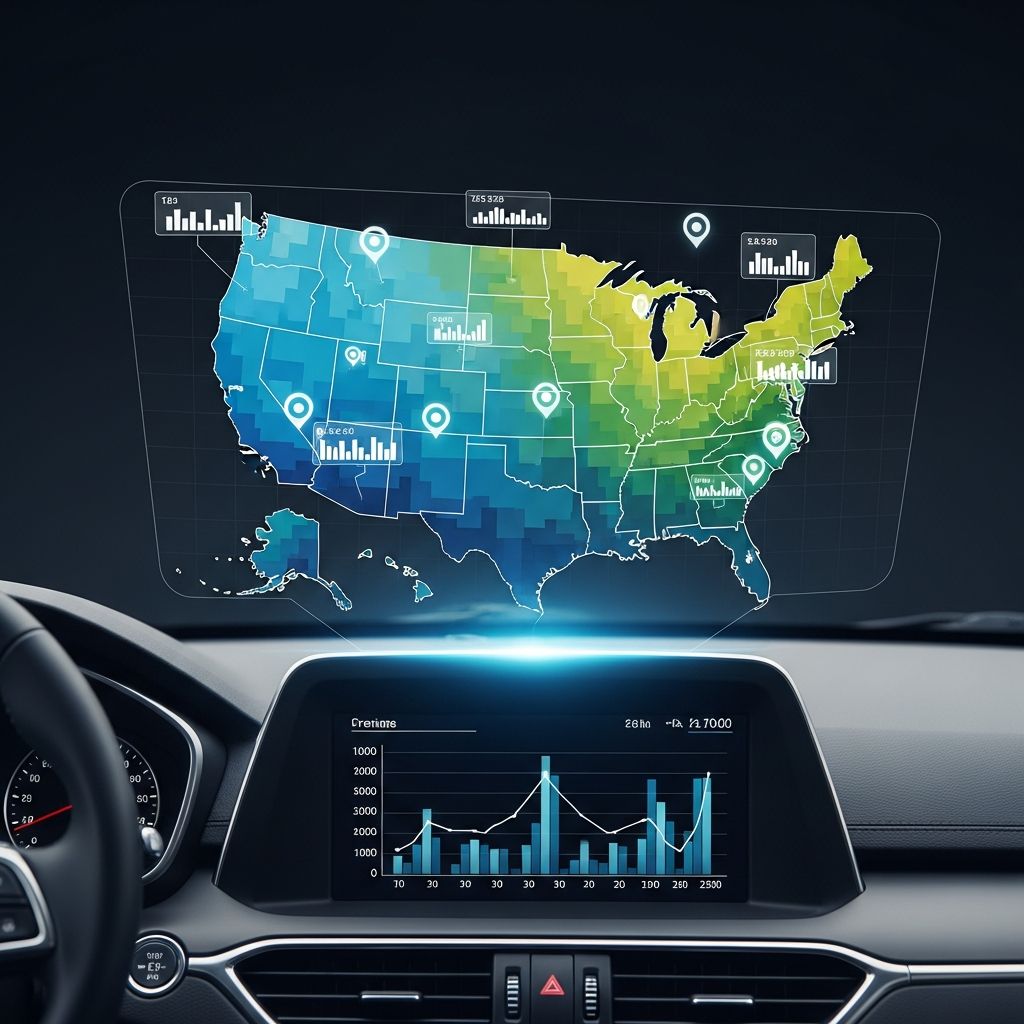
Car insurance premiums across the United States have reached new heights in 2026, with the national average standing at $2,295 per year or $191 monthly for full coverage policies. These figures reflect data from major insurers and reflect ongoing trends in rising costs due to inflation, repair expenses, and claims frequency.
National Benchmarks for Auto Insurance Premiums
The baseline for car insurance in 2026 shows significant variation between minimum and full coverage options. Minimum coverage, which meets basic state requirements, averages $1,566 annually or $131 per month nationwide. Full coverage, incorporating comprehensive and collision protections, jumps to $2,921 yearly or $243 monthly.
Other analyses confirm this upward trajectory. For instance, full coverage policies average $2,697 per year ($225 monthly), while minimum plans sit at $820 annually ($68 monthly). These costs have climbed about 12% since 2024, driven by higher vehicle values and repair complexities.
State-by-State Breakdown of Premiums
Insurance rates differ dramatically by location due to factors like traffic density, accident rates, theft risks, and local regulations. Vermont offers the lowest full coverage at $1,427 yearly ($119 monthly), followed by Maine ($130 monthly) and New Hampshire ($116 monthly).
In contrast, Maryland tops the list at $4,227 annually ($352 monthly), with Connecticut ($318 monthly) and New York ($303 monthly) close behind. High-cost states like Louisiana ($3,718), Florida ($3,536), and California ($2,848) also burden drivers significantly.
| State | Annual Full Coverage Cost | Monthly Cost | Vs. National Avg. |
|---|---|---|---|
| Vermont | $1,427 | $119 | -51% |
| Maine | $1,560 | $130 | -47% |
| Maryland | $4,227 | $352 | +45% |
| Florida | $3,536 | $295 | +21% |
| California | $2,848 | $237 | -2% |
| Texas | $2,861 | $238 | -2% |
This table highlights extremes and mid-range states, showing how geography can double or halve your premium.
How Age and Gender Influence Your Rates
Demographics play a crucial role in premium calculations. Younger drivers face the steepest costs: under 20-year-olds pay $3,203 (females) and $3,411 (males) annually for full coverage. Rates decline with age, bottoming out for those 60-69 at $1,788 (females) and $1,770 (males).
| Age Group | Female Annual Cost | Male Annual Cost |
|---|---|---|
| Under 20 | $3,203 | $3,411 |
| 20-29 | $2,719 | $2,776 |
| 30-39 | $2,404 | $2,286 |
| 40-49 | $2,284 | $2,169 |
| 50-59 | $2,038 | $1,986 |
| 60-69 | $1,788 | $1,770 |
| 70-79 | $1,775 | $1,866 |
Males often pay slightly more in younger brackets due to riskier driving patterns, but this gap narrows after 40.
Cheapest Insurance Providers in 2026
Shopping around reveals stark differences among carriers. Travelers leads with $1,789 yearly ($149 monthly), followed by Nationwide ($2,253 or $188 monthly) and Liberty Mutual ($2,261 or $188 monthly). Higher-end options like Mercury average $2,630 ($219 monthly).
- Travelers: Best for budget full coverage at $149/month.
- Nationwide: Solid mid-tier option with broad availability.
- USAA/Auto-Owners/Geico: Often cheapest but restricted by eligibility (military, region).
Availability varies, so eligibility checks are essential.
Vehicle Type and Its Impact on Premiums
Your car’s make, model, and features heavily sway costs. Electric vehicles like the Tesla Model Y average $354 monthly for full coverage, reflecting pricier repairs and battery tech. Sports cars and luxury models command higher rates due to theft appeal and parts costs, while economy sedans stay affordable.
Minimum coverage for standard vehicles hovers around $912 yearly ($76 monthly), but full policies escalate to $2,496 ($208 monthly).
Key Factors Driving Premium Increases
Several elements push 2026 rates higher:
- Inflation and Repair Costs: Vehicle prices and parts have surged, inflating claims.
- Driving Records: Accidents or tickets can hike rates 20-50%.
- Coverage Level: Adding comprehensive/collision doubles costs on average.
- Location Risks: Urban areas with high theft/accidents pay more.
- EV Boom: Newer tech means elevated premiums.
Personal factors like credit score (where legal) and mileage also factor in.
Practical Ways to Cut Your Insurance Costs
Beating the average is achievable with smart moves:
- Compare Quotes: Use multiple providers; savings average 20-30%.
- Bundling: Pair auto with home/renters for 10-25% discounts.
- Safe Driving: Defensive courses or telematics programs lower rates for low-mileage drivers.
- Higher Deductibles: Opt for $1,000 vs. $500 to save hundreds yearly.
- Discounts: Seek student, senior, or multi-car deals.
Review annually; loyalty rarely pays as rates evolve.
Full Coverage vs. Minimum: Which Fits You?
Minimum coverage suffices for paid-off cars in low-risk areas but leaves gaps in major incidents. Full coverage suits financed vehicles or high-value assets, protecting against theft, weather, or collisions. Weigh lender rules and personal risk tolerance.
FAQs: Common Questions on 2026 Car Insurance
What is the average car insurance cost in 2026?
Nationally, expect $2,295 yearly ($191 monthly) for full coverage.
Which state has the cheapest auto insurance?
Vermont at $1,427 annually for full coverage.
How does age affect premiums?
Rates peak for under-20s ($3,200+) and drop after 50.
Are EVs more expensive to insure?
Yes, like Model Y at $354/month due to repair costs.
How can I lower my rate?
Shop around, bundle policies, and raise deductibles.
Regional Spotlights: High and Low Cost Areas
In the Northeast, low-density states like Vermont benefit from fewer claims. Southern states like Florida and Louisiana grapple with hurricanes and dense traffic. Midwest offers balance, with Ohio at $2,336 (-20% vs. average).
Texas ($2,861) and Arizona ($2,565) hover near national norms, while South Carolina ($3,401) spikes due to accident rates.
Future Outlook for Auto Insurance Trends
Expect continued rises from EV adoption, autonomous tech claims, and climate events. However, competition and usage-based insurance could stabilize or reduce costs for safe drivers.
Track your premium against these benchmarks: input your state, age, and coverage into quote tools for personalized comparisons.
References
- Average Cost of Car Insurance in the US for 2026 — Experian. 2026-02. https://www.experian.com/blogs/ask-experian/average-cost-car-insurance/
- Average cost of car insurance in March 2026 — Bankrate. 2026-03-05. https://www.bankrate.com/insurance/car/average-cost-of-car-insurance/
- How Much Does Car Insurance Cost in 2026? — Lemonade. 2026. https://www.lemonade.com/car/explained/how-much-does-car-insurance-cost/
- By the Numbers: State of auto insurance in 2026 — Aftermarket Matters. 2026. https://www.aftermarketmatters.com/national-news/by-the-numbers-state-of-auto-insurance-in-2026/
- Here’s How Much Car Insurance Costs in Every US State for 2026 — MotorBiscuit. 2026. https://www.motorbiscuit.com/heres-how-much-car-insurance-costs-in-every-us-state-for-2026-and-why-yours-is-so-high/
Similar Articles








Read full bio of medha deb