Upstream vs. Downstream Oil and Gas Operations
Understand the critical differences between upstream and downstream operations in the oil and gas industry.
What is the Difference Between Upstream and Downstream Oil and Gas Operations?
The oil and gas industry is a complex ecosystem with multiple interconnected segments that work together to bring energy resources from beneath the earth’s surface to consumers worldwide. Understanding the distinction between upstream and downstream operations is essential for anyone seeking to comprehend how the energy sector functions and delivers petroleum products to meet global demand. These two primary segments represent different phases of the petroleum supply chain, each with distinct activities, challenges, and economic characteristics.
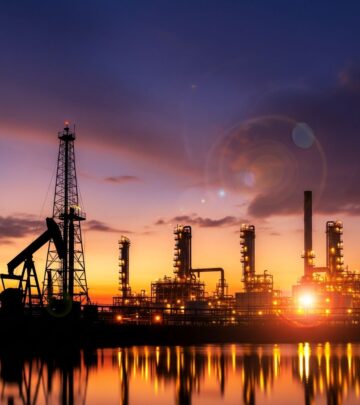
Upstream and downstream operations represent fundamentally different stages in the journey of crude oil and natural gas from extraction to final consumption. While upstream operations focus on finding and extracting these raw materials from underground reservoirs, downstream operations are concerned with refining crude oil into usable products and delivering them to end-users. Between these two segments lies the midstream sector, which handles transportation and storage of these valuable resources.
Understanding Upstream Operations
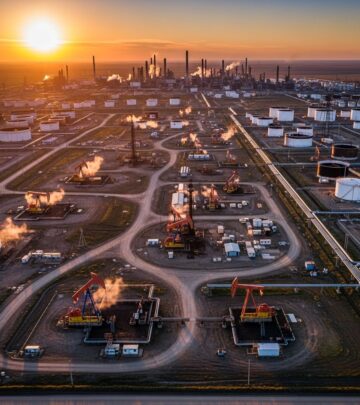
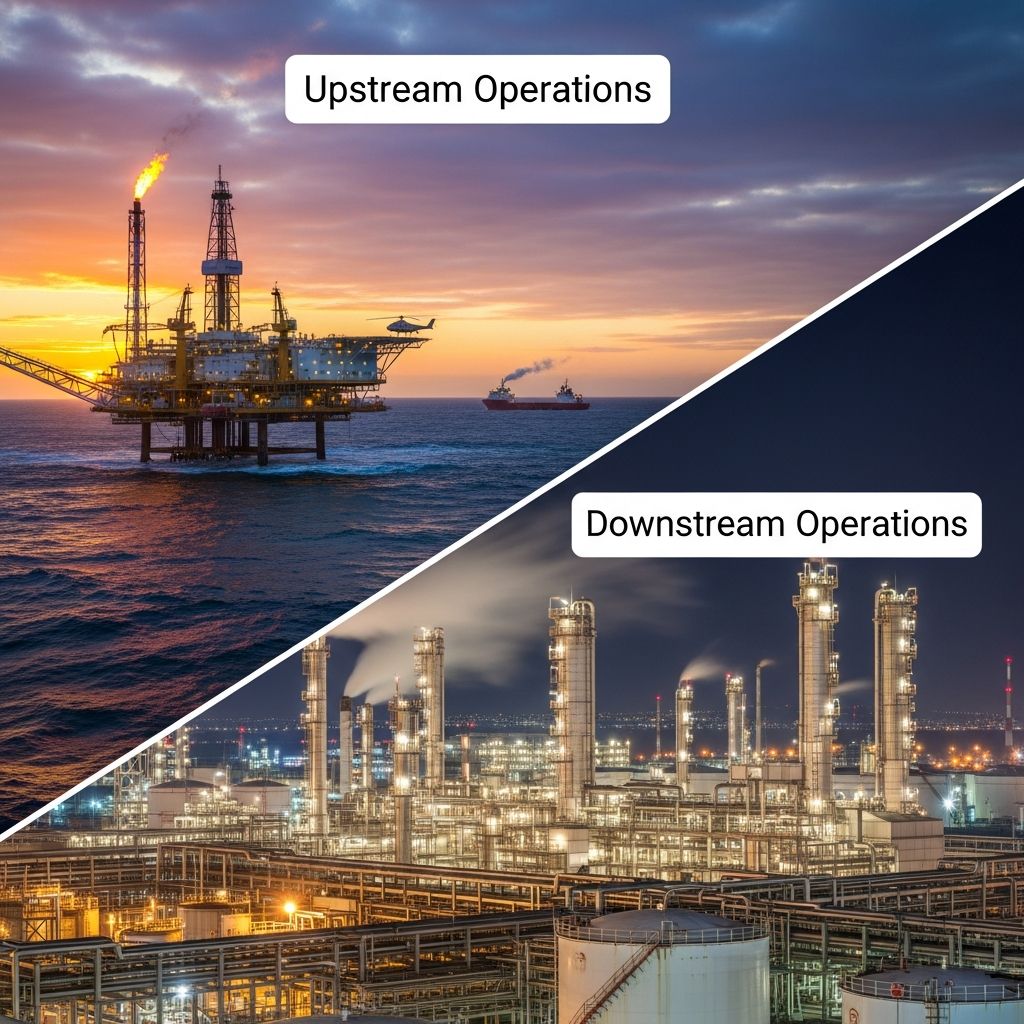
Upstream operations, often referred to as exploration and production (E&P) activities, represent the initial phase of the oil and gas industry’s supply chain. These operations involve all activities related to identifying, locating, drilling, and extracting crude oil and natural gas from underground reservoirs. Companies operating in the upstream sector play a pivotal role in meeting global energy demands by discovering new reserves and bringing raw materials to the surface.
Exploration and Drilling
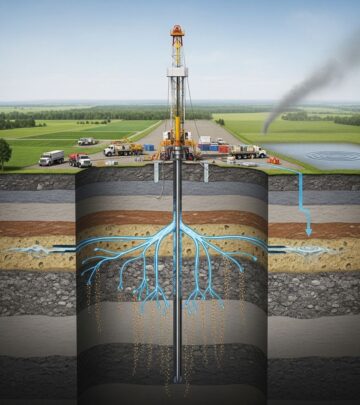
The upstream segment begins with exploration, where geologists and engineers conduct extensive surveys and studies to identify potential oil and gas reserves. Geological surveying uses advanced seismic technology and data analysis to map subsurface formations and assess the likelihood of finding commercially viable reserves. Once promising locations are identified, companies drill exploratory wells to confirm the presence of hydrocarbons.
Drilling operations in the upstream sector are highly specialized and capital-intensive. Companies must drill wells that can reach depths of thousands of feet, whether on land or in offshore environments. The drilling process involves constructing wells, installing infrastructure, and developing the necessary equipment to safely extract oil and gas from underground reservoirs. Upstream firms must invest in advanced drilling rigs, seismic technology, and specialized equipment to conduct these operations efficiently and safely.
Production and Extraction
After discovering a viable oil or gas field, upstream operations transition to the production phase. This stage focuses on maximizing the recovery of petroleum from subsurface reservoirs using various extraction techniques. Primary recovery involves drilling wells and allowing natural pressure to bring oil and gas to the surface. As reservoir pressure decreases, secondary recovery methods use water or gas injection to maintain pressure and increase extraction rates. Enhanced oil recovery (EOR) and improved oil recovery (IOR) techniques employ more advanced methods, such as hydraulic fracturing (fracking) and thermal recovery, to extract additional resources from mature fields.
Upstream operations often take place in challenging and remote environments, from deep-water offshore platforms to onshore shale formations. The infrastructure required includes drilling rigs, production platforms, pipelines, and processing facilities at well sites. Companies operating in this segment must navigate complex geological conditions, environmental regulations, and safety requirements while optimizing production efficiency.
Characteristics of Upstream Operations
Upstream operations are characterized by several distinctive features that set them apart from other segments of the petroleum industry:
- High capital investment requirements for exploration, drilling, and infrastructure development
- Extended project duration, often spanning years or decades from discovery to production
- High operational and financial risks associated with exploration and reserve depletion
- Technological intensity requiring specialized expertise and advanced equipment
- Direct linkage between cash flow and production volumes of oil and gas
- Dependency on commodity prices for profitability and investment decisions
Understanding Downstream Operations
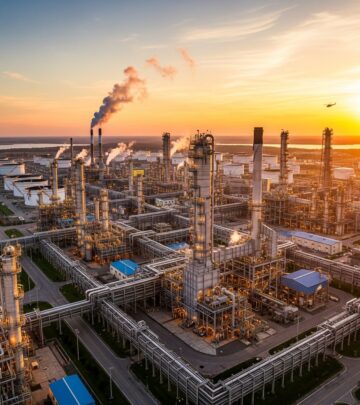
Downstream operations represent the final stages of the petroleum industry’s supply chain, where raw crude oil and natural gas are transformed into finished products ready for consumer use. Downstream companies operate refineries and distribution networks that convert hydrocarbons into essential fuels and petrochemical products that power economies and support daily life.
Refining and Processing
The refining process is the core activity of downstream operations. Refineries use complex chemical and physical processes to separate crude oil into various useful products based on molecular weight and composition. Distillation is the primary refining technique, where crude oil is heated and separated into different fractions such as gasoline, diesel, jet fuel, heating oil, and residual fuel oil. Additional refining processes, including cracking and reforming, break down heavier hydrocarbon molecules into lighter, more valuable products that meet market demand and regulatory specifications.
Beyond basic fuel production, downstream operations create numerous petrochemical products used across various industries. These include lubricants for machinery, asphalt for road construction, waxes, solvents, and base chemicals for producing plastics and pharmaceuticals. Refineries must balance production to meet demand for multiple products while optimizing profitability and adhering to environmental and quality standards.
Distribution and Marketing
Once refined, petroleum products must reach consumers through an extensive distribution network. Downstream operations include transporting refined products via pipelines, rail, and trucks to distribution terminals and retail outlets. Marketing and sales activities ensure that gasoline stations, heating oil suppliers, industrial customers, and other end-users receive the products they need. Downstream companies maintain strategic locations near major population and industrial centers to minimize transportation costs and ensure product availability.
Characteristics of Downstream Operations
Downstream operations exhibit different characteristics compared to upstream activities:
- Located closer to consumer markets to reduce distribution costs and delivery times
- Relatively lower capital risk compared to upstream exploration and development
- More stable cash flows and profitability compared to commodity price volatility in upstream
- High regulatory compliance requirements for environmental protection and product quality
- Significant operational complexity in managing refinery processes and production scheduling
- Employment of skilled labor for technical and management positions
- Integration with retail and distribution networks for direct consumer access
Comparison: Upstream vs. Downstream Operations
| Aspect | Upstream Operations | Downstream Operations |
|---|---|---|
| Primary Activity | Exploration and production of crude oil and natural gas | Refining crude oil and distributing finished products |
| Location in Supply Chain | Initial phase, focusing on extraction | Final phase, involving refining and distribution |
| Capital Requirements | Very high investment costs | Moderate to high investment costs |
| Risk Level | High exploration and reserve risk | Lower operational risk, commodity price exposure |
| Geographic Location | Remote and challenging environments | Near consumer markets and population centers |
| Key Equipment | Drilling rigs, seismic technology, production platforms | Refineries, pipelines, distribution terminals |
| Product Output | Crude oil and natural gas (raw materials) | Gasoline, diesel, jet fuel, petrochemicals |
| Price Sensitivity | Revenue increases with higher oil prices | Profitability depends on refining margins |
| Project Duration | Years to decades from discovery to production | Ongoing operations with continuous production |
The Role of Midstream Operations
While this article focuses on upstream and downstream operations, understanding the midstream segment provides important context for the complete petroleum supply chain. Midstream operations bridge the gap between extraction and refining by handling the transportation, storage, processing, and logistics of crude oil, natural gas, and derived products.
Midstream infrastructure includes pipelines, storage tanks, processing facilities, tanker ships, and transportation vehicles that move petroleum products from production sites to refineries and ultimately to consumers. These operations are essential for maintaining supply chain integrity and ensuring reliable energy delivery worldwide. Midstream companies typically face lower capital risks and higher regulatory oversight compared to upstream operations, while maintaining operational stability similar to downstream segments.
Integration and Industry Structure
The petroleum industry includes three primary categories of companies based on their operational focus. Upstream companies specialize in exploration and production, while downstream entities focus on refining and marketing petroleum products. Additionally, many large integrated oil and gas companies combine functions from multiple segments—upstream, midstream, and downstream—to streamline operations and maximize efficiency across the entire supply chain.
Integrated companies benefit from vertical integration by controlling multiple stages of petroleum production and distribution. This approach allows them to optimize operations, manage risks more effectively, and capture value at different stages of the supply chain. However, specialization in either upstream or downstream operations allows companies to develop deep expertise and competitive advantages in their respective segments.
Economic and Market Dynamics
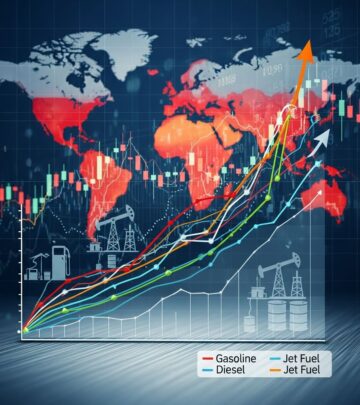
Upstream and downstream operations respond differently to market conditions and commodity price fluctuations. Upstream operations view crude oil prices as revenue, with profitability increasing as oil prices rise. Conversely, downstream operations depend on refining margins—the difference between crude oil input costs and refined product selling prices. High crude oil prices can squeeze refining margins and reduce downstream profitability, while lower crude prices can improve margins for refineries.
Investment decisions in upstream operations are heavily influenced by crude oil price expectations, as companies evaluate the economics of exploration and development projects based on long-term price forecasts. Downstream operations, meanwhile, must balance refinery utilization rates with market demand for various petroleum products to maintain profitability and competitive positioning.
Environmental and Regulatory Considerations
Both upstream and downstream operations face increasingly stringent environmental regulations and safety requirements. Upstream operations must adhere to strict standards for well construction, operational safety, and environmental protection to minimize impacts on land, water, and air quality. Downstream refining operations must comply with emissions standards, waste management regulations, and quality specifications for finished products.
Regulatory compliance requires substantial investment in safety systems, environmental monitoring, and pollution control equipment. Companies must balance operational efficiency with regulatory obligations while maintaining public trust and social license to operate. As environmental concerns and climate considerations become more prominent, both segments face pressure to adopt cleaner technologies and reduce their carbon footprint.
Frequently Asked Questions
Q: What is the primary difference between upstream and downstream oil and gas operations?
A: Upstream operations focus on exploring and extracting crude oil and natural gas from underground reservoirs, while downstream operations involve refining crude oil into finished products like gasoline and diesel, then distributing these products to consumers.
Q: Why are upstream operations considered more risky than downstream operations?
A: Upstream operations carry higher risk because of uncertainties in exploration—wells may not discover commercially viable reserves despite significant investment. Additionally, production depends on reserve quality and longevity. Downstream operations have more predictable cash flows once refinery infrastructure is operational.
Q: What role do midstream operations play in the petroleum supply chain?
A: Midstream operations connect upstream and downstream by transporting, storing, and processing crude oil and natural gas. They move these resources from production sites to refineries through pipelines, storage facilities, and logistics networks.
Q: How do upstream and downstream operations respond differently to oil price changes?
A: Upstream operations benefit from higher oil prices as they represent increased revenue per barrel produced. Downstream operations can be negatively affected by high crude oil prices if refining margins narrow, reducing profitability despite higher product selling prices.
Q: What are some examples of products created in downstream operations?
A: Downstream operations produce gasoline, diesel fuel, jet fuel, heating oil, liquefied petroleum gas (LPG), lubricants, asphalt, petrochemical feedstocks, and base chemicals used in manufacturing plastics, pharmaceuticals, and other industrial products.
Q: What types of companies operate in upstream versus downstream sectors?
A: Some companies specialize exclusively in either upstream (E&P companies) or downstream (refiners and distributors) operations. However, many large multinational oil and gas corporations operate as integrated companies, participating in both upstream and downstream activities to maximize efficiency and profitability.
References
- Upstream vs. Downstream Oil and Gas Operations — GET Global Group. 2024. https://getglobalgroup.com/understanding-the-difference-upstream-vs-downstream-oil-and-gas-operations/
- Upstream, Midstream, and Downstream in Oil and Gas Operations — DW Energy Group. 2024. https://www.dwenergygroup.com/upstream-midstream-and-downstream-in-oil-and-gas-operations/
- Difference Between Upstream, Midstream and Downstream — Vidya. 2024. https://vidyatec.com/blog/difference-between-upstream-midstream-and-downstream/
- Upstream vs Downstream: What is the difference between them? — EKT Interactive. 2024. https://ektinteractive.com/upstream-vs-downstream/
- Three Sectors of Oil and Gas Industry — Intrinsically Safe Store. 2024. https://intrinsicallysafestore.com/blog/what-are-the-three-sectors-of-oil-and-gas-industry/
Similar Articles








Read full bio of medha deb