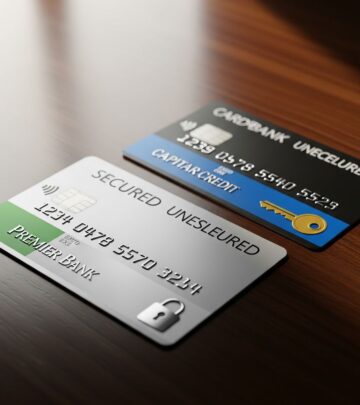
Unsecured Credit Cards: How To Upgrade And Maximize Rewards
Learn how to transition from secured cards to unsecured ones for better rewards and financial freedom while building lasting credit.

Transitioning from a secured credit card to an unsecured one marks a significant milestone in your credit-building journey. Secured cards require a deposit that acts as your credit limit, making them accessible for those new to credit or recovering from setbacks. Unsecured cards, however, eliminate this deposit, offering higher limits, rewards, and perks based on your proven creditworthiness.
Understanding the Fundamentals of Credit Card Types
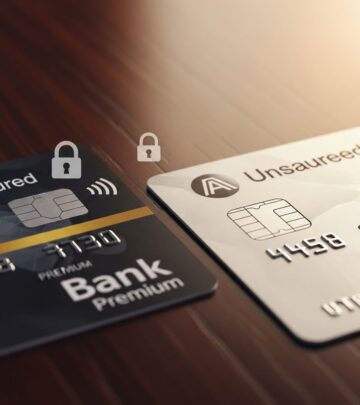
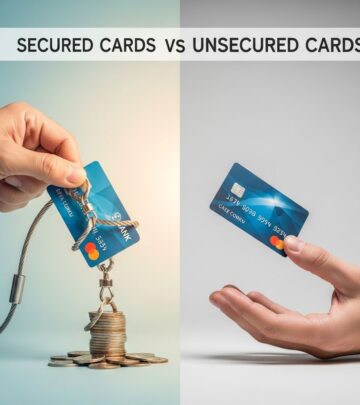
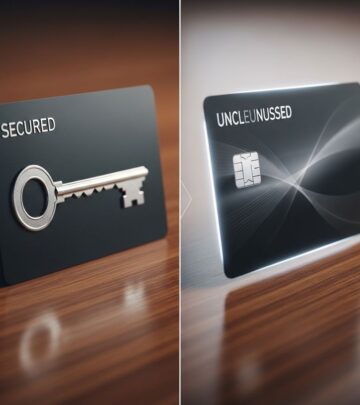
Credit cards come in two primary forms: secured and unsecured. Secured options provide a safety net for issuers by holding your deposit, which they can claim if you default. This setup lowers their risk, enabling approval for individuals with limited or poor credit histories.
Unsecured cards operate on trust in your financial responsibility. Issuers evaluate your credit score, income, and payment history to set limits and terms. Without a deposit, these cards often feature more attractive features like cash back or travel rewards, but they demand stronger credit profiles for approval.
Key Distinctions Between Secured and Unsecured Cards
The differences extend beyond deposits. Here’s a breakdown:
| Feature | Secured Cards | Unsecured Cards |
|---|---|---|
| Security Deposit | Required (equals credit limit) | None required |
| Credit Limit | Low, tied to deposit | Higher, based on credit profile |
| Interest Rates | Often higher | Typically lower |
| Fees | Possible annual or maintenance fees | Varies; many no-fee options |
| Rewards/Perks | Limited or none | Cash back, points, travel benefits |
These contrasts highlight why unsecured cards appeal to those ready for advancement. Responsible use of a secured card can position you for this upgrade.
Signs You’re Ready for an Unsecured Card
Evaluate your progress before applying. Common indicators include:
- Consistent on-time payments for 6-12 months on your secured card.
- Low credit utilization ratio, ideally under 30%.
- Improving credit score, typically 620+ for basic unsecured cards.
- Stable income to support higher limits.
- No recent late payments or delinquencies reported.
Monitoring your credit report via free annualcreditreport.com or services like Credit Karma can confirm readiness.
Steps to Successfully Transition
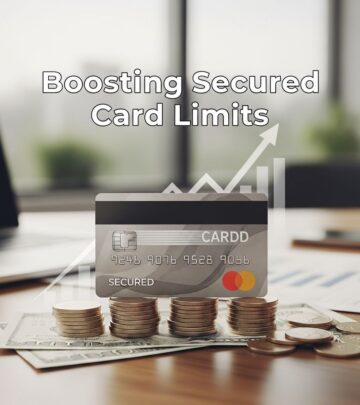
- Review Your Secured Card Performance: Request a credit limit increase from your issuer after positive history. Some refund deposits and graduate you to unsecured status automatically.
- Check Pre-Qualification Offers: Use bank websites to see personalized unsecured card options without a hard inquiry.
- Gather Documentation: Prepare income proof, ID, and recent statements for applications.
- Apply Strategically: Target cards matching your score, like starter unsecured for fair credit.
- Close Secured Account Wisely: Pay off balance, request deposit refund, but consider keeping it open as a paid-off account to boost credit age and mix.
Closing too soon might shorten your credit history, dinging your score temporarily.
Top Strategies for Approval
Boost your odds with these tactics:
- Become an Authorized User: Piggyback on a trusted family member’s excellent card to inherit positive history, if reported positively.
- Improve Credit Utilization: Pay down debts to keep usage low across accounts.
- Opt for Credit-Builder Cards: Unsecured cards designed for fair credit, like those from Capital One or Discover.
- Avoid Multiple Applications: Space inquiries 3-6 months apart to minimize score impact.
Patience pays off; many graduate from secured to unsecured within a year.
Benefits of Making the Switch
Upgrading unlocks advantages:
- Higher Limits: More purchasing power without tying up savings.
- Rewards Programs: Earn cash back (1-5%) on groceries, gas, or travel.
- Lower Costs: Reduced APRs and waived fees on premium options.
- Perks: Purchase protection, extended warranties, airport lounge access.
- Credit Growth: Continues building with responsible use.
These elevate everyday spending into earning opportunities.
Potential Risks and Mitigation
Temptation grows with higher limits. Counter risks by:
- Setting spending alerts and budgets.
- Paying balances in full monthly to dodge interest (average 20%+ APR).
- Refraining from cash advances, which accrue immediate fees and interest.
- Tracking via apps like Mint or issuer portals.
Mismanagement hurts scores via high utilization or missed payments, affecting all accounts.
Comparing Popular Unsecured Options
For those transitioning, consider these profiles:
| Card Type | Credit Score Needed | Key Features | Best For |
|---|---|---|---|
| Starter Unsecured | Fair (580-669) | No annual fee, basic rewards | New graduates |
| Cash Back | Good (670-739) | 1-2% back on purchases | Everyday spenders |
| Travel Rewards | Excellent (740+) | Points, miles, no foreign fees | Frequent travelers |
Match to lifestyle for maximum value.
Long-Term Financial Impact
Beyond cards, strong credit opens doors to auto loans, mortgages, rentals, and jobs. A diverse credit mix (installment + revolving) comprises 10% of FICO scores. Maintain 35% payment history dominance with flawless records.
Transitioning signals maturity, potentially saving thousands in interest over time versus high-APR secured cards.
Frequently Asked Questions
What if my secured card issuer offers a graduation program?
Many do; after 7-12 months of good behavior, they convert to unsecured, refunding your deposit seamlessly.
Does closing my secured card hurt credit?
Possibly, by reducing available credit and history length. Keep it open if fees are low.
Can I get an unsecured card with bad credit?
Limited options exist, but focus on rebuilding first. Credit-builder loans or secured cards precede them.
How long until I see credit score improvements post-upgrade?
1-2 months, as bureaus update. Sustained habits yield 50-100+ point gains yearly.
Are unsecured cards safer than secured?
Both safe with responsibility; unsecured lacks deposit but offers fraud protection universally.
Final Thoughts on Your Credit Journey
Upgrading to unsecured cards rewards diligence. Stay disciplined to enjoy perks without debt traps. Regularly review reports, diversify credit, and aim for 700+ scores for optimal terms. This path fosters financial independence.
References
- Secured vs. Unsecured Credit Cards: What’s the difference? — OpenSky. 2023. https://www.openskycc.com/blog/secured-vs-unsecured-credit-cards-whats-the-difference
- What Is an Unsecured Credit Card? — Capital One. 2024-01-15. https://www.capitalone.com/learn-grow/money-management/what-is-unsecured-credit-card/
- Secured vs. Unsecured Credit Cards: How Do They Work? — Synchrony. 2024. https://www.synchrony.com/blog/banking/secured-vs-unsecured-credit-cards
- Secured or Unsecured Credit Cards Which is Better? — Bank Southern. 2023-05-10. https://banksouthern.com/secured-or-unsecured-credit-cards-which-is-better/
- What Is an Unsecured Credit Card? — Discover. 2024. https://www.discover.com/credit-cards/card-smarts/unsecured-credit-card/
- Understanding Secured vs Unsecured Credit Cards — Chase Bank. 2023-11-20. https://www.chase.com/personal/credit-cards/education/build-credit/secured-and-unsecured-credit-cards
Similar Articles








Read full bio of Sneha Tete